5 Window Tinting Myths Debunked for Orange County Drivers
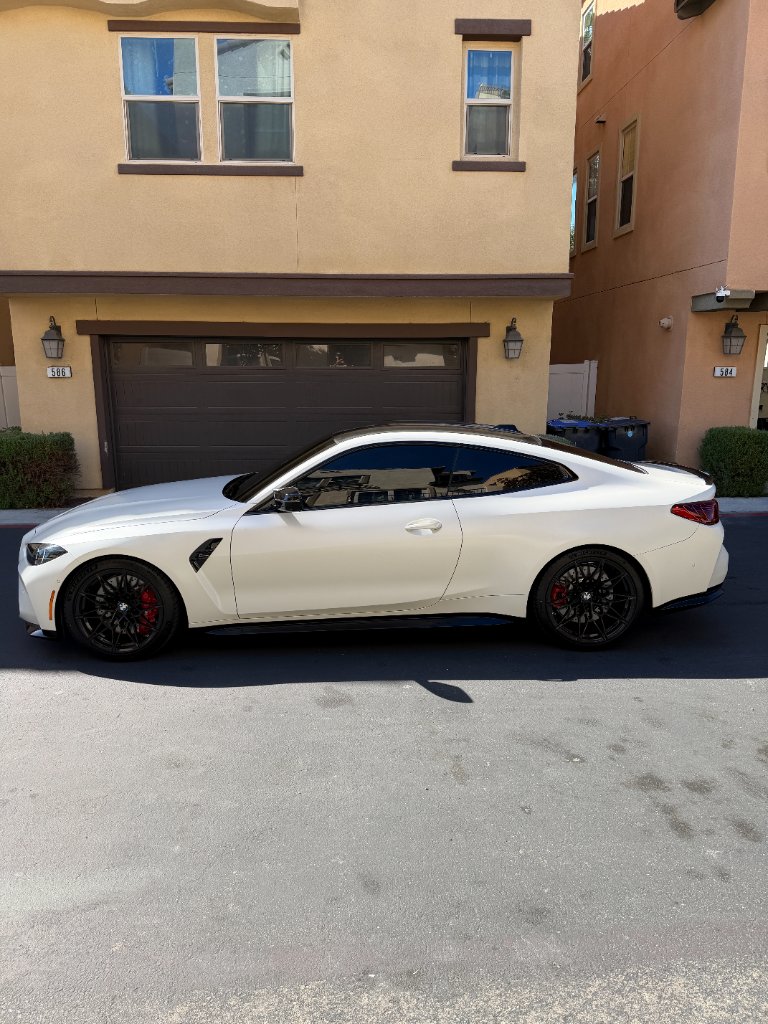
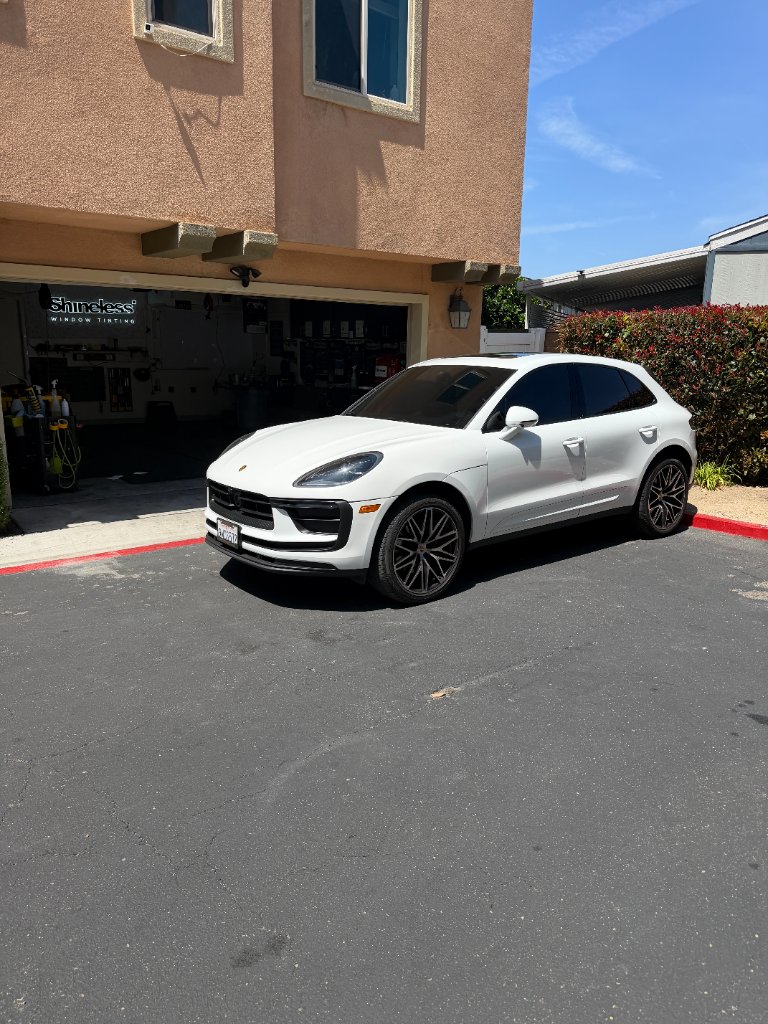
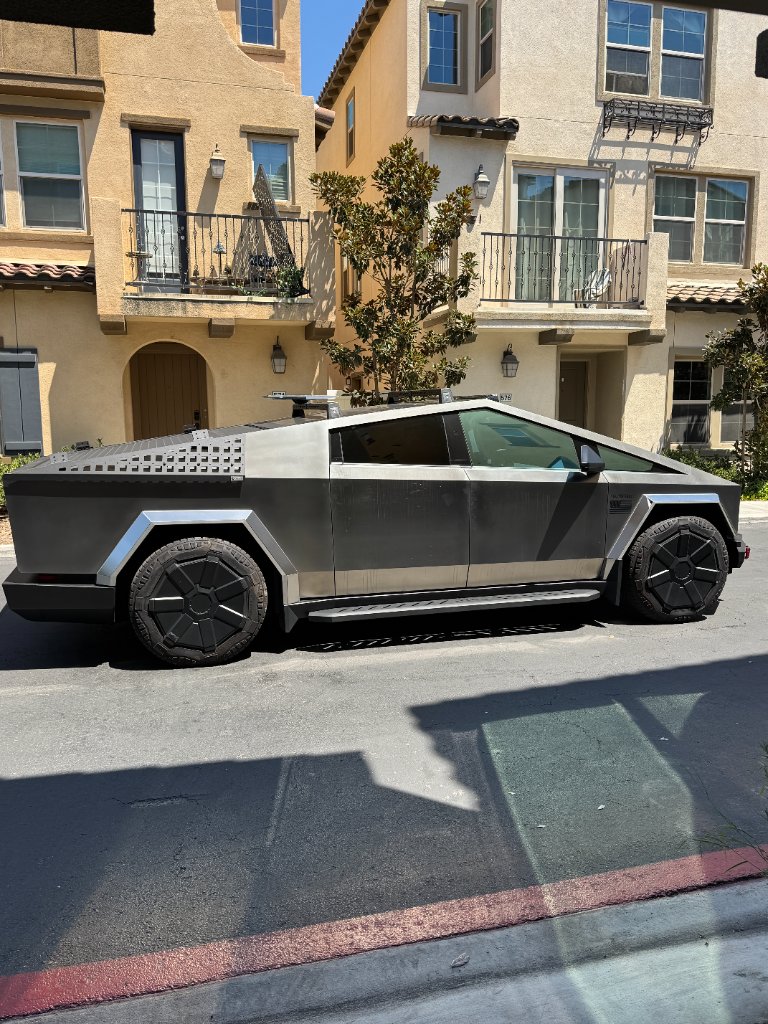
Many drivers in Huntington Beach and across Orange County approach window tinting with outdated assumptions. From the belief that factory glass provides sufficient thermal protection to the persistent confusion surrounding California state laws, misconceptions often lead to suboptimal purchasing decisions. At Shineless Window Tinting, we see the impact of these myths daily. When you rely on incorrect information, you may end up with films that fail prematurely, obstruct your visibility, or fail to mitigate the intense solar heat common to our coastal climate. This guide addresses the five most common myths about window film by focusing on optical physics and regulatory standards. Whether you are driving a modern EV with an expansive glass roof or a traditional SUV navigating the glare of the Pacific Coast Highway, understanding the reality of modern film technology allows you to make an informed choice that balances cabin comfort, legal compliance, and optical clarity. ## Myth 1: Factory Privacy Glass Blocks Heat and UV Rays Truth: Factory privacy glass is primarily an aesthetic feature and provides minimal infrared heat rejection. The dark appearance of rear windows on SUVs and trucks is created by pigment added to the glass during the manufacturing process. While this pigment obscures vision, it does not contain the spectrally selective nano-coatings required to stop infrared energy, which is the primary source of heat inside a vehicle cabin. If you are relying on your factory tint to keep your cabin cool, you are likely still experiencing significant thermal loading. Our automotive window tint solutions are designed to bridge this performance gap, providing genuine thermal protection that factory glass simply cannot offer on its own. ## Myth 2: Window Tint is Illegal Everywhere in California Truth: California law is specific rather than prohibitory. For the rear side windows and rear windshield, the California Vehicle Code does not restrict the level of darkness, provided the vehicle is equipped with dual side mirrors. For front side windows, the law requires a combined light transmission of at least 70 percent VLT. This means that if your factory glass measures 75 percent VLT, the added film must be very light to remain compliant. It is vital to remember that factory glass on many modern vehicles is not perfectly clear, and adding even a light film can push your total VLT below the 70 percent limit. Windshield tinting is restricted to a non-reflective strip on the top 4 inches or above the AS-1 line. ## Myth 3: All Ceramic Films Are the Same Truth: Ceramic film quality varies significantly based on the manufacturing process. High-end, dye-free nano-ceramic films, such as those from Hüper Optik or XPEL, offer superior infrared rejection and optical clarity because they utilize inorganic, non-metallic particles. In contrast, entry-level ceramic films may suffer from low-angle haze, inconsistent adhesive performance, and shorter lifespans. Lower-tier options sometimes rely on hybrid formulations that include small amounts of dye, which can lead to color shift over time. When investing in film for your vehicle, especially for Tesla window tint applications where clarity is essential for cameras and sensors, professional-grade nano-ceramic is the reliable way to avoid the milky, foggy look associated with lower-cost products. ## Myth 4: Tinted Windows Always Bubble or Turn Purple Truth: Purple discoloration and bubbling are common side effects of low-quality dyed films. Purple hues occur when the organic dyes used in inexpensive film break down under continuous exposure to ultraviolet radiation. Bubbling is typically a result of adhesive failure, often caused by the film's inability to withstand high heat or poor installation surface preparation. Premium nano-ceramic films are engineered without organic dyes and use high-performance inorganic materials that are physically incapable of turning purple. Because they do not rely on traditional organic dyes, they maintain their structural and visual integrity for a longer period. We apply this standard to every vehicle, utilizing professional materials that reflect the durability of modern ceramic technology. ## Myth 5: Dark Tint is Required for High Heat Rejection Truth: You do not need dark, limo-style film to achieve effective heat rejection. Spectrally selective nano-ceramic films are engineered to reject infrared light and solar energy while remaining nearly transparent. These high-VLT films allow visible light to pass through while still blocking up to 99 percent of infrared heat. This is an ideal solution for a windshield tint, allowing drivers to stay cool while maintaining full visibility at night or in the low-light conditions often found along the coast during marine layer mornings. This technology is particularly valuable for EV owners who want to reduce the air conditioning load without compromising the aesthetic of their vehicle's glass. ## Key Specifications for Orange County Drivers When comparing quotes, use these industry-standard benchmarks to evaluate the quality of the product being installed on your vehicle: - California Front Side Window Law: Combined VLT (glass plus film) must be 70 percent or higher. - Rear Window Limit: No restriction on VLT, provided dual side mirrors are present. - Infrared Rejection (IRR): High-quality ceramic should offer at least 85 to 95 percent infrared heat rejection. - Total Solar Energy Rejected (TSER): Premium films typically range from 50 to 70 percent TSER depending on the VLT. - UV Rejection: Industry standards for ceramic film should be 99 percent or greater. - Construction: Look for non-metallic, non-dyed, multi-layer nano-ceramic constructions to ensure no signal interference for GPS, cellular, or radio signals. ## Comparing Film Technologies Understanding the hierarchy of window film helps you choose the right product for your needs and budget. - Dyed Film: The entry-level option. It provides shade but no meaningful heat rejection. It is prone to turning purple and bubbling within a few years. It is best suited for temporary aesthetics. - Carbon/Hybrid Film: A middle-ground solution that offers better color stability than dyed film. However, it often lacks the high-end infrared rejection of true nano-ceramic and may have some heat absorption characteristics. - Premium Nano-Ceramic: The gold standard for modern vehicles. It is non-dyed and non-metallic, offering the highest level of infrared heat rejection, superior optical clarity, and durability. This is the only film we recommend for owners looking for long-term protection against the intense Orange County sun. ## Understanding Installation Risks and Limitations Transparency is a core value at Shineless Window Tinting. While modern film technology is highly durable, customers should be aware that no film is invincible. Any window tint, regardless of price, can be scratched by abrasive materials, metal objects, or improper cleaning methods. We advise using only microfiber cloths and ammonia-free cleaners to maintain the integrity of the installation. Furthermore, when installing on older vehicles, if the glass has existing surface damage or deep scratches, the film will not fill these defects; in some cases, it may make them more visible. We are always honest about what film can and cannot do for your specific vehicle. For those in Huntington Beach, Newport Beach, Costa Mesa, or Irvine, our mobile service brings professional installation directly to you. We understand that your time is valuable, and our mobile setup allows us to complete most installations efficiently. By focusing on certified Hüper Optik and XPEL materials, we ensure that you receive the exact performance specifications promised. For a full list of our all services, please explore our website. Want a free quote? Tap here: https://shinelesswindowtinting.com/#contact-form. To book your automotive installation, visit our scheduling page at https://shineless.bookings.getclickrez.com/book/vehicle or call us at (714) 360-9969.

Common Questions
Is factory privacy glass effective at blocking heat?
Factory privacy glass is primarily aesthetic and provides almost zero infrared heat rejection. It is made by adding pigment during the manufacturing process, which blocks light but not the infrared energy that causes heat buildup in a vehicle cabin.
What is the legal limit for front window tint in California?
California law requires a combined light transmission of at least 70 percent VLT for front side windows. Because factory glass often has a tint of its own, any added film must be very light to remain compliant with this regulation.
Do I need dark tint to keep my car cool?
No, you do not need dark tint to achieve high heat rejection. Modern spectrally selective nano-ceramic films are nearly transparent and can block up to 99 percent of infrared heat while allowing visible light to pass through.
Why do some window tints bubble or turn purple?
Bubbling and purple discoloration are characteristics of low-quality dyed films. The purple color occurs as organic dyes break down under UV exposure, and bubbling is typically caused by adhesive failure.
Ready to Protect Your Home?
Free in-home consultations across Huntington Beach, Newport Beach, Seal Beach & Laguna Beach.
(714) 360-9969 — Free EstimateStop UV Damage Before It Starts
Shineless installs premium ceramic window film at your home — no shop visit needed. Serving Huntington Beach, Newport Beach, Seal Beach, Laguna Beach, and all of Orange County.