Ceramic Window Film: The Gold Standard in Heat Rejection
Molecular-level infrared blocking that standard films cannot touch — engineered for the Southern California sun.
What Is Ceramic Window Film?
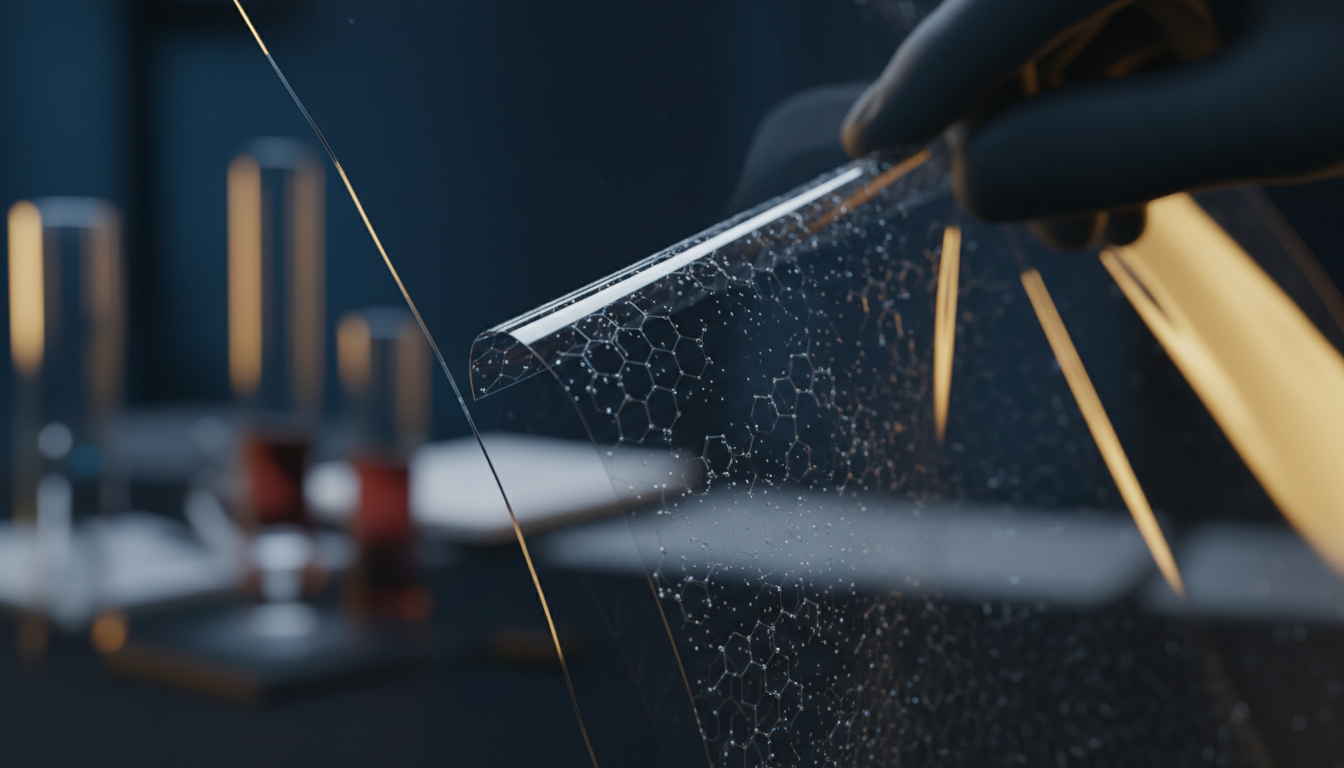
Ceramic window film is an advanced window tinting technology that uses nano-ceramic particles embedded within the film layers to block infrared heat and ultraviolet radiation. Unlike traditional dyed or metallic films, ceramic film contains no dyes that fade, no metals that interfere with electronics, and no adhesives that break down under extreme heat.
The ceramic particles are invisible to the eye but incredibly effective at rejecting solar energy. A premium ceramic film can reject up to 99% of infrared heat and 99% of UV rays while allowing visible light to pass through clearly — meaning your windows stay transparent while the interior stays dramatically cooler.
This makes ceramic film the top choice for both automotive and architectural applications in Huntington Beach and Orange County, where homes, vehicles, and commercial buildings face intense year-round sun exposure within minutes of the Pacific coast.
How It Works
Nano-Ceramic Particle Layer
Microscopic ceramic particles are embedded throughout the film, creating an invisible barrier that reflects infrared radiation.
Infrared Heat Rejection
Blocks up to 99% of IR heat without darkening your view — the interior stays cool even parked in direct sun.
UV Protection
Filters 99% of harmful UV rays that cause skin damage, interior fading, and material degradation.
Signal-Transparent
Zero interference with GPS, Bluetooth, cell signals, or radio — unlike metallic films that block wireless signals.
Ceramic vs. Dyed vs. Metallic Film
Understanding why ceramic is the only serious choice for Huntington Beach conditions.
| Feature | Dyed Film | Metallic Film | Ceramic Film |
|---|---|---|---|
| IR Heat Rejection | 15–30% | 40–60% | Up to 99% |
| UV Protection | ~90% | ~95% | 99%+ |
| Signal Interference | None | Yes — GPS, phone, Bluetooth | None |
| Color Stability | Fades to purple in 1-3 years | Stable but reflective | Color-stable for life |
| Salt Air Durability | Poor — bubbles and peels | Corrodes in marine environments | Excellent — no metal or dye to degrade |
| Warranty | 1-3 years typical | 3-5 years typical | Lifetime |
Why You Need It
- Up to 99% infrared heat rejection keeps interiors dramatically cooler without AC overload
- 99%+ UV protection prevents skin damage, interior fading, and material degradation in vehicles and homes
- Color-stable technology means no purpling, no fading, and no bubbling — even after years of direct HB sun exposure
- Zero interference with cell phones, GPS, Bluetooth, toll tags, or keyless entry systems
- Dye-free and metal-free composition won't corrode or break down in Huntington Beach's salt-air environment
- Reduces eye strain and driving fatigue by cutting harsh glare from reflective surfaces and ocean water
Risks Without Protection
- Budget dyed films turn purple and bubble within 1-2 Huntington Beach summers, looking worse than bare glass
- Metallic films block cell signals, GPS navigation, and Bluetooth connections inside your vehicle or home
- Without UV protection, vehicle interiors crack, leather dries, dashboards warp, and home furnishings fade permanently
- Unprotected glass transmits up to 85% of solar heat, forcing AC systems to work overtime and driving up energy bills
- Cheap films void resale value — a bubbled or discolored tint job on a $100k vehicle signals neglect to buyers
- Prolonged UV exposure through unprotected glass is a documented risk factor for skin damage, especially during long commutes
Experience the Ceramic Difference
Schedule a free consultation and feel the heat rejection difference firsthand. We'll bring sample films to your location anywhere in Orange County.