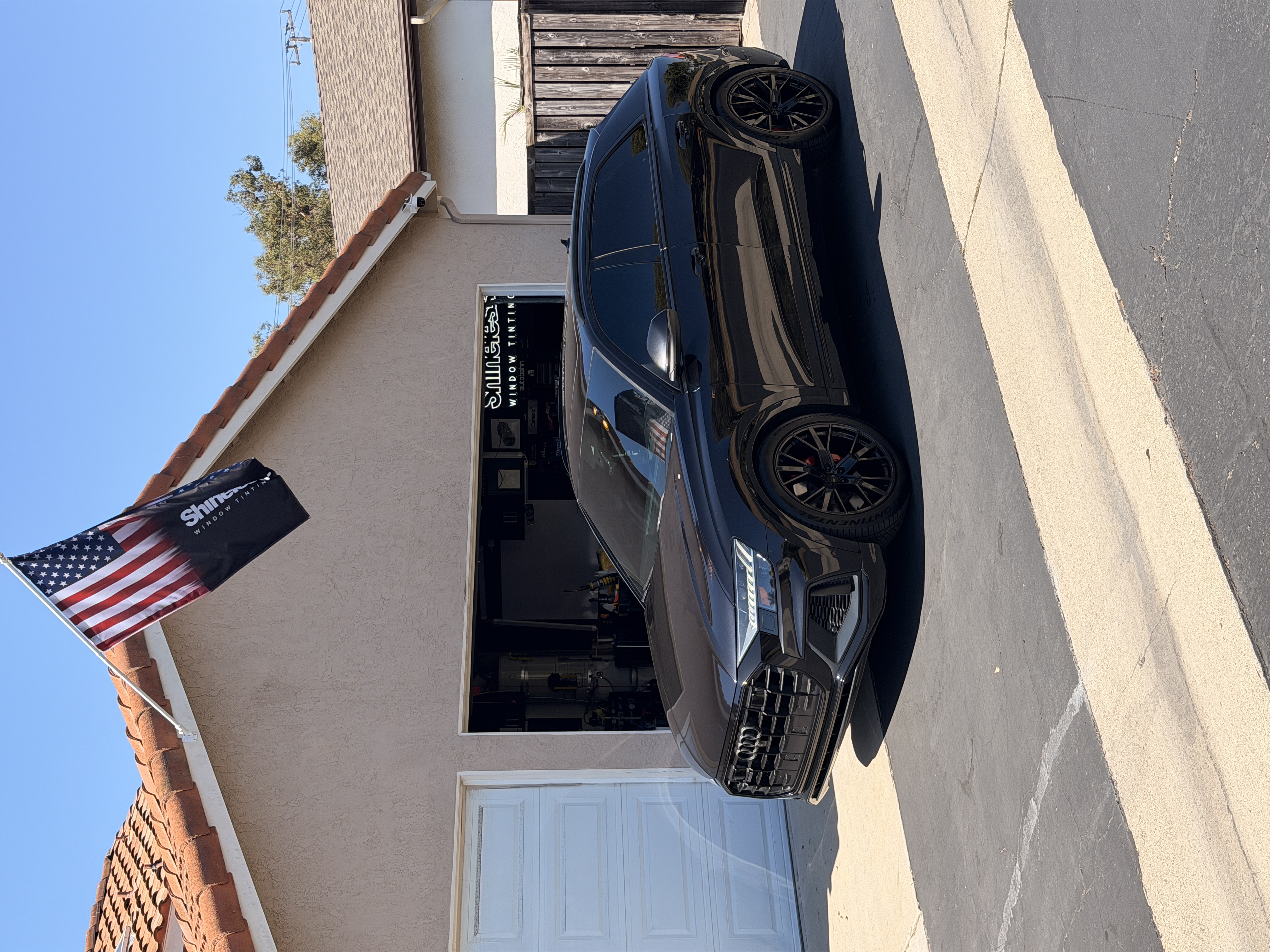
The Anatomy of a Flawless Tint Job: Inside Shineless Window Tinting’s Mobile Process
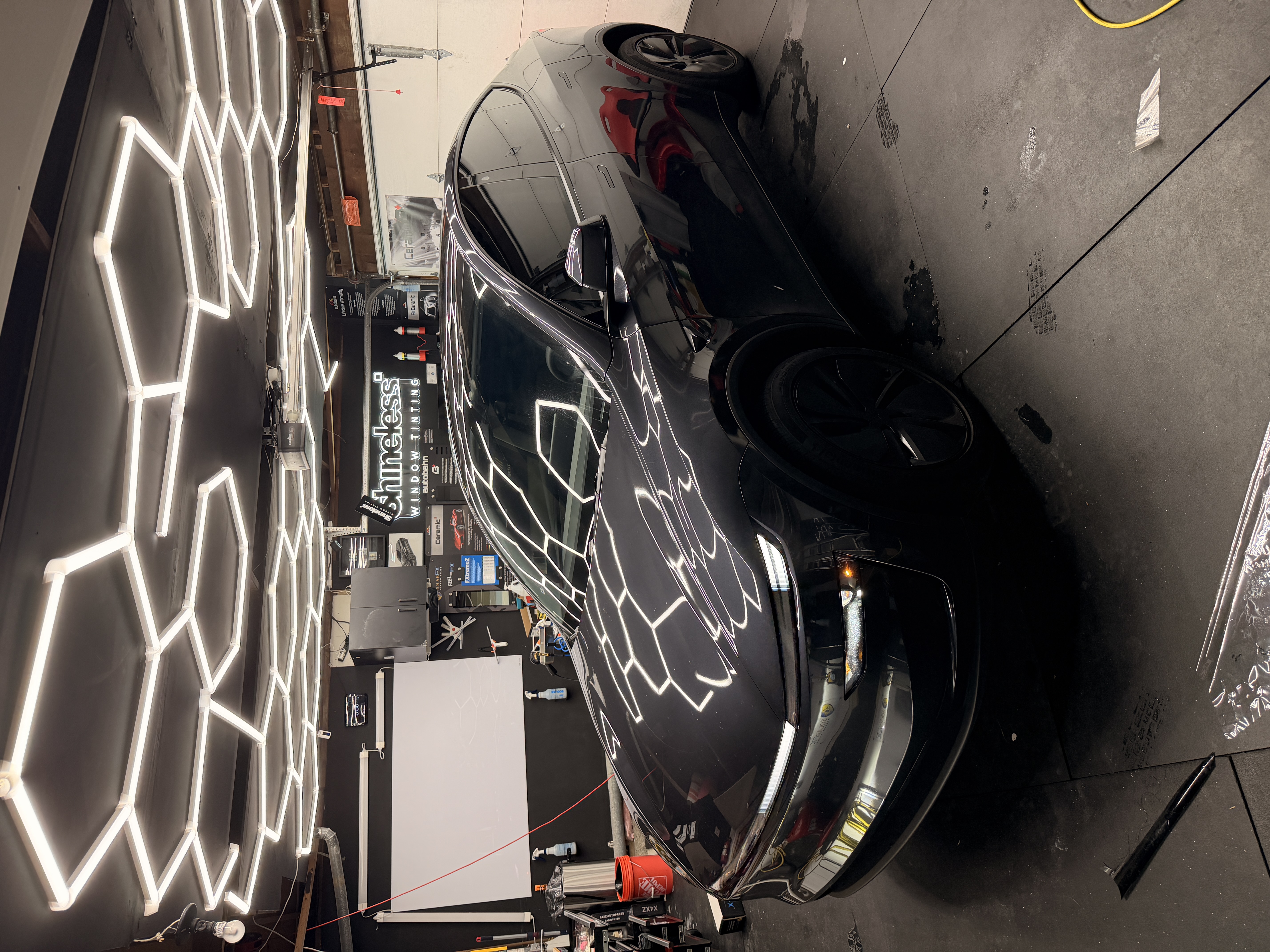
When you book a professional tint service, the end result is a sleek, uniform look, but the real value lies in the hours of technical preparation you never see. A flawless install is about controlling the environment, managing complex glass curves, and protecting the interior of your vehicle as if it were our own. Whether you drive a daily commuter or a high-end EV, the process remains rooted in precision, cleanliness, and material science. At Shineless Window Tinting, we operate a mobile service across Orange County, bringing a dust-controlled, professional experience directly to your home or office. Below is the breakdown of how we execute a full installation, ensuring you understand the mechanics behind the mirror. ## Arrival and Environmental Control Working in a mobile capacity near the Huntington Beach coast presents unique challenges. The offshore breeze can carry salt mist and fine sand, both of which are enemies of a clean tint job. Our first step is not the glass; it is the space. We prioritize working inside a customer garage to maintain a stable temperature and limit airflow. If a garage is unavailable, we utilize pop-up containment systems to block wind and airborne debris. Before any film touches the glass, we prepare the interior. This involves protecting door panels with plastic sheeting and using specialized soak ropes along the window seals to catch excess slip solution. For modern vehicles, particularly Teslas, we pay extra attention to protecting the dashboard electronics and the BCM by ensuring no liquid pooling occurs during the application phase. ## Glass Prep and the Science of Clean Why do installers work on the outside of the window? The exterior glass serves as the template. We place the raw film on the outside of the window to heat shrink it to the compound curves of the glass. Before this happens, the glass must be surgically clean. We scrub the glass with specialized detergents and fine-grade white pads to remove microscopic contaminants. We avoid aggressive metal scraping whenever possible to prevent scratching factory glass. By the time we move to the interior application, the glass must be free of any dust, lint, or particulate matter, as these will show up as bubbles or contaminants under the finished film. ## Measuring, Cutting, and Batch Matching We utilize both high-precision computer plotters and hand-cutting techniques depending on the vehicle model. While plotters provide extreme consistency for standard windows, hand trimming remains superior for achieving perfect edge micro-gapping on frameless roll-down windows. A key behind the scenes detail we manage is film lot matching. We ensure that every piece of film installed on your vehicle comes from the same production batch. Films from different production lots can have subtle variations in VLT or slight shifts in hue, which would be visible once the sun hits the car from different angles. We check this before the first cut is made to guarantee a uniform look around the entire vehicle. ## Heat Shrinking and Complex Curves Rear windshields and certain side windows have compound curves that cannot be covered by a flat piece of film without buckling. We use a heat gun to shrink the film so it conforms perfectly to the glass. This is where experience matters; applying too much heat can damage the film or the rear defroster lines. We employ wet or dry shrinking techniques depending on the specific film characteristics of our automotive window tint products. Treating the dot-matrix borders (the black ceramic frit around the edges of your windows) is also critical. If not managed properly with the right adhesive heat-setting, these areas can result in a white, hazy look known as silvering. This occurs when the adhesive fails to conform to the textured surface of the frit. ## Installation Specifications and Standards To provide transparency, here are the technical standards and expectations for our installations in Orange County: - Typical Install Durations: Front pairs take 45 to 90 minutes; standard sedans take 2 to 3.5 hours; complex vehicles like full SUVs or EVs with large glass roofs take 3 to 5+ hours. - Curing Timeline: Windows must remain rolled up for 3 to 5 days. Full evaporation of microscopic moisture haze can take 2 to 4 weeks depending on the humidity in the marine layer. - California Law: Front side windows must maintain at least 70% VLT when combined with factory glass. The top 4 inches of the windshield are permitted for non-reflective film. Rear windows have no darkness restriction provided the vehicle has dual side mirrors. ## Choosing the Right Film: A Comparison It is important to understand what is being applied to your vehicle compared to the industry standard. Many shops offer dyed films, which provide a dark look but will eventually fade to purple and offer little to no heat rejection. Carbon films provide better color stability but still lack the high infrared rejection of true ceramics. We exclusively install high-end, dye-free, metal-free nano-ceramic films. These are designed specifically for the heavy heat rejection needed on the 405 or the PCH. They will not interfere with your phone signal, GPS, or keyless entry, and they provide permanent, clear heat rejection for the life of your ownership. ## Limitations and Honest Risks We believe in full transparency regarding the risks of mobile installation. While our process is highly controlled, it is not a pressurized, clean-room laboratory. A minor speck of dust in the air is sometimes unavoidable. Furthermore, older vehicles with weathered rubber seals may require extra care to prevent the film from catching when windows are rolled down. If your vehicle has existing tint that needs removal, note that the adhesive left behind on rear defroster lines requires delicate chemical treatment. We always assess these factors during our arrival to manage expectations before we begin. ## Handoff and Aftercare Once the install is complete, we perform a thorough inspection under high-intensity lighting to check for any bubbles or gaps. We then walk the customer through the post-install requirements. For the first few days, the film may appear slightly hazy as the remaining moisture escapes through the pores of the film. In the coastal climate of Huntington Beach, humidity levels can slightly lengthen this cure time, but the end result is a crystal-clear, Tesla window tint or sedan finish that stands the test of time. Want a free quote? Tap here: https://shinelesswindowtinting.com/#contact-form. For direct scheduling of your automotive project, please visit our booking page at https://shineless.bookings.getclickrez.com/book/vehicle or call us at (714) 360-9969.
Common Questions
How long do I need to keep my windows rolled up after a tint job?
You should keep your windows rolled up for 3 to 5 days following the installation to ensure the film sets properly. Full evaporation of any microscopic moisture haze can take between 2 to 4 weeks depending on local humidity levels.
What is the difference between dyed, carbon, and nano-ceramic films?
Dyed films are prone to fading and offer minimal heat rejection, while carbon films provide better color stability but still lack advanced infrared performance. We exclusively use dye-free, metal-free nano-ceramic films that offer superior heat rejection without interfering with GPS or mobile signals.
Is mobile window tinting safe for my car interior?
Yes, we take specific precautions to protect your vehicle, including using plastic sheeting on door panels and soak ropes to prevent slip solution from reaching sensitive dashboard electronics. We treat every vehicle with care, especially modern EVs where liquid management is critical to protecting the BCM.
Why does my window film look hazy immediately after installation?
It is normal for the film to appear slightly hazy for a few days after installation. This is caused by the remaining moisture trapped between the glass and the film as it cures and escapes through the pores of the material.
Ready to Protect Your Home?
Free in-home consultations across Huntington Beach, Newport Beach, Seal Beach & Laguna Beach.
(714) 360-9969 — Free EstimateStop UV Damage Before It Starts
Shineless installs premium ceramic window film at your home — no shop visit needed. Serving Huntington Beach, Newport Beach, Seal Beach, Laguna Beach, and all of Orange County.