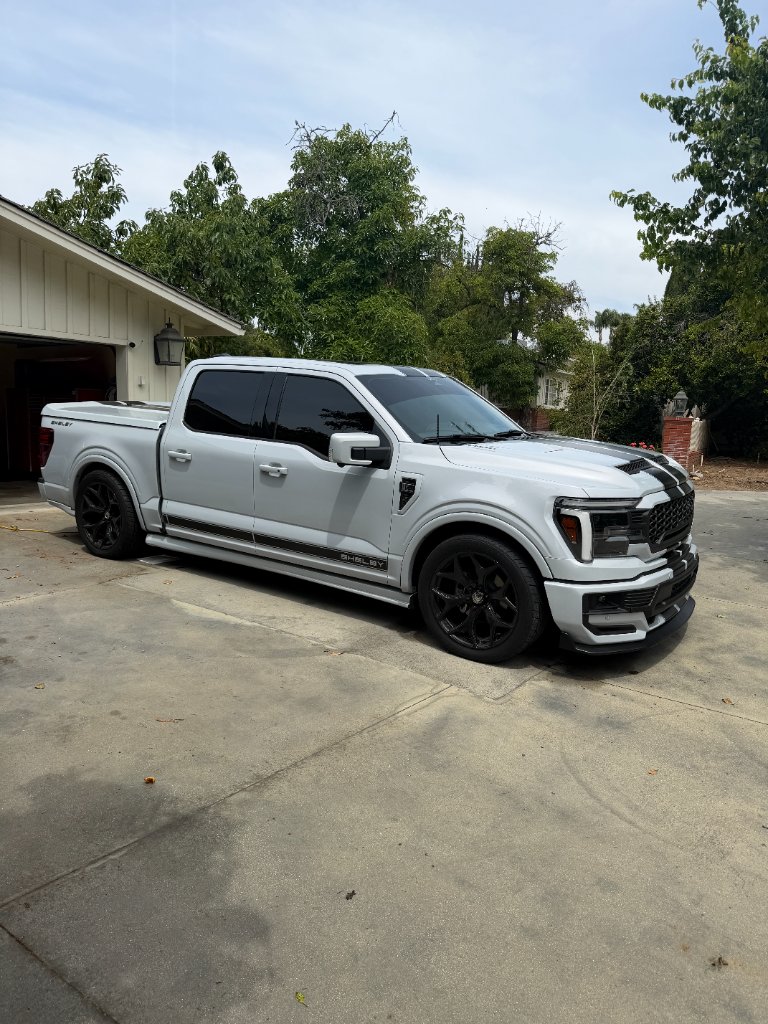
Before and After: A Car’s Transformation with Proper Ceramic Tint
The fishbowl effect is a common frustration for drivers in Orange County. Factory glass often leaves the cabin exposed, turning your car into a greenhouse during commutes along the Pacific Coast Highway or while parked at a job site in Irvine. A proper transformation is more than just changing the exterior look of your vehicle; it is a structural upgrade to the interior climate and your daily driving experience. When we perform a mobile installation, the process begins with a total decontamination of the glass. Whether we are working on a sedan in Huntington Beach or a large SUV in Costa Mesa, the precision required for frameless window indexing and one-piece panoramic roof shrinking is where the quality gap exists. This narrative follows a typical transformation from factory glass to a fully protected, high-performance nano-ceramic cabin. The optical illusion of tint perception is a frequent point of discussion with our clients. A common question we address is why a 20 percent VLT film looks drastically different on a white interior versus a black interior. The answer lies in basic optics. A dark or black interior absorbs incoming light, making the tint appear deeper and darker from the outside. Conversely, a light or white vegan leather interior acts like a reflector. Because the white surfaces bounce ambient light back through the glass, the tint will always appear lighter, more open, and more transparent on a car with a light-colored cabin. Understanding this contrast is essential for setting expectations before the film is applied. If you prioritize maximum exterior privacy, you must factor in that your interior color will inherently fight against that darkness. We often recommend a slightly darker film shade for light-interior vehicles to achieve the aesthetic balance our clients desire without sacrificing interior clarity. Many SUV owners mistakenly believe that the dark, factory-dyed rear glass provides adequate protection from the sun. This is a common misconception. Factory privacy glass is primarily designed for appearance, not thermal performance. It is essentially dyed glass that offers minimal infrared heat rejection. While it hides the contents of your backseat, it does little to stop the thermal energy that causes your cabin temperature to climb on a hot day in Fountain Valley or Westminster. Real automotive window tint involves a multi-layer nano-ceramic film that targets the infrared spectrum. By installing a high-end film, you are blocking up to 71 percent of total solar energy, which is a significant upgrade over untreated factory glass that lets the majority of solar heat pass directly into your upholstery and onto your skin. Digital screens, especially the large touchscreens found in modern EVs and luxury sedans, suffer significantly from glare. During a bright midday drive along the coast, ambient light washing over the display creates a safety hazard by forcing the driver to look away from the road. Nano-ceramic films are engineered for optical clarity, filtering out the harsh light that creates these reflections while maintaining perfect nighttime visibility. Unlike lower-quality metallic or dyed films that can create a hazy or foggy look at night, our premium ceramic options remain clear. This allows for excellent external privacy during the day while ensuring you do not struggle with distorted vision when driving after sunset. Our mobile service model is designed to handle complex glass geometries right in your driveway. A professional installation involves several technical steps. Protecting the dash and interior electronics is our first priority; we use specialized moisture-wicking barriers to ensure no water touches sensitive sensors or screens, which is critical for Tesla and modern luxury vehicle owners. Frameless window indexing ensures the film is cut and cured to accommodate frameless doors, preventing peeling and ensuring a perfect seal when the door closes. One-piece panoramic shrinking requires the use of heat guns to shrink the film to fit the compound curves of large panoramic roofs, which avoids unsightly seams that are prone to failure. Under California Vehicle Code section 26708, you must remain compliant while improving your cabin. The law requires a minimum of 70 percent VLT for front side windows. Because most factory glass already has a slight factory tint, adding a 70 percent film often brings the total light transmission to the legal limit. Rear side and back windows, however, can be tinted to any darkness, provided you have dual side mirrors installed. We always prioritize this legal framework to ensure your Tesla window tint or sedan upgrade remains compliant with local regulations. When comparing quotes in Orange County, look for the following industry standards to ensure you are receiving a premium installation. Total solar energy rejected is a key metric; look for films offering up to 71 percent rejection. High-end film should provide over 99 percent ultraviolet rejection, which is essential for preventing dashboard cracking and skin damage. Ensure the film is non-metallized to prevent cellular, GPS, and radio signal interference. Regarding pricing, expect to pay 350 to 600 dollars for sedans and 450 to 700 dollars plus for SUVs in the local market. Panoramic roofs are generally quoted separately, ranging from 450 to 850 dollars due to the size and difficulty of the installation. Honesty is a core component of our service. While ceramic tint is a massive upgrade, it cannot stop 100 percent of heat transfer through your glass. There will always be some conduction of heat through the windows. Furthermore, if you choose a very dark tint for the front, you are increasing your risk of receiving a fix-it ticket. Always choose a reputable shop that uses high-quality films; cheap ceramic imitations often suffer from delamination, bubbling, or a milky appearance within a few years. We rely on top-tier manufacturers like Hüper Optik and XPEL because their films are built for long-term clarity and heat rejection. When comparing your options, dyed films are the entry-level choice; they change the look of the car but offer no heat protection and are prone to turning purple over time. Carbon films are a slight step up, offering better color stability, but they are still limited in heat rejection. Metallic films provide excellent heat rejection, but they contain metal flakes that cause interference with keyless entry, GPS, and cellular reception, which is a dealbreaker for modern vehicles. Nano-ceramic films are the gold standard. They provide the highest level of infrared heat rejection, maintain perfect signal clarity for your electronics, and retain their appearance for the life of the vehicle. For most drivers in the Orange County area, the investment in ceramic film pays for itself in reduced air conditioning load, improved driving comfort, and the preservation of your vehicle interior. Whether you are daily driving on the 405 or enjoying the ocean breeze in Huntington Beach, your car should be a place of comfort. Want a free quote? Tap here: https://shinelesswindowtinting.com/#contact-form. To book your appointment, visit: https://shineless.bookings.getclickrez.com/book/vehicle or call us at (714) 360-9969.
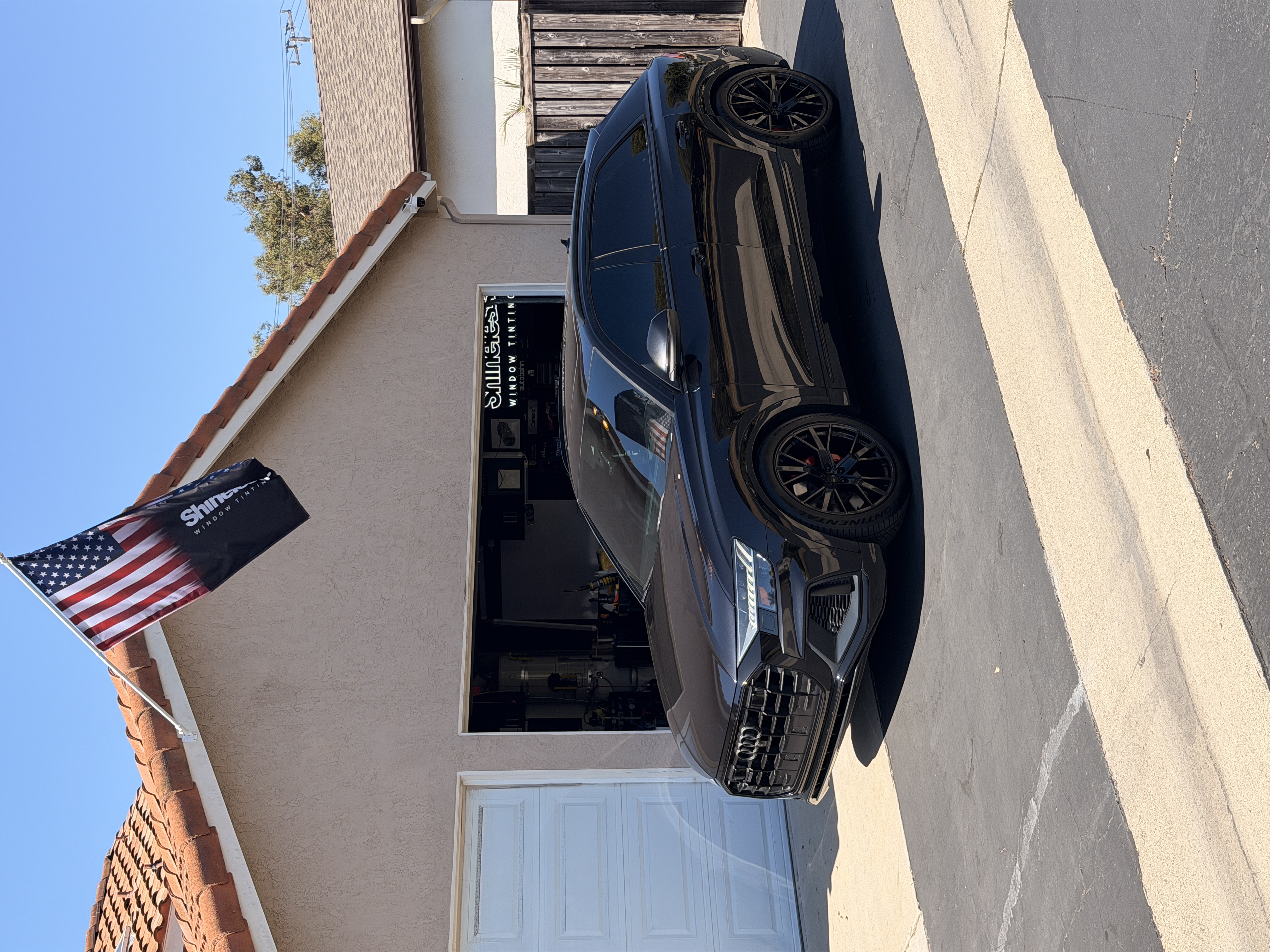
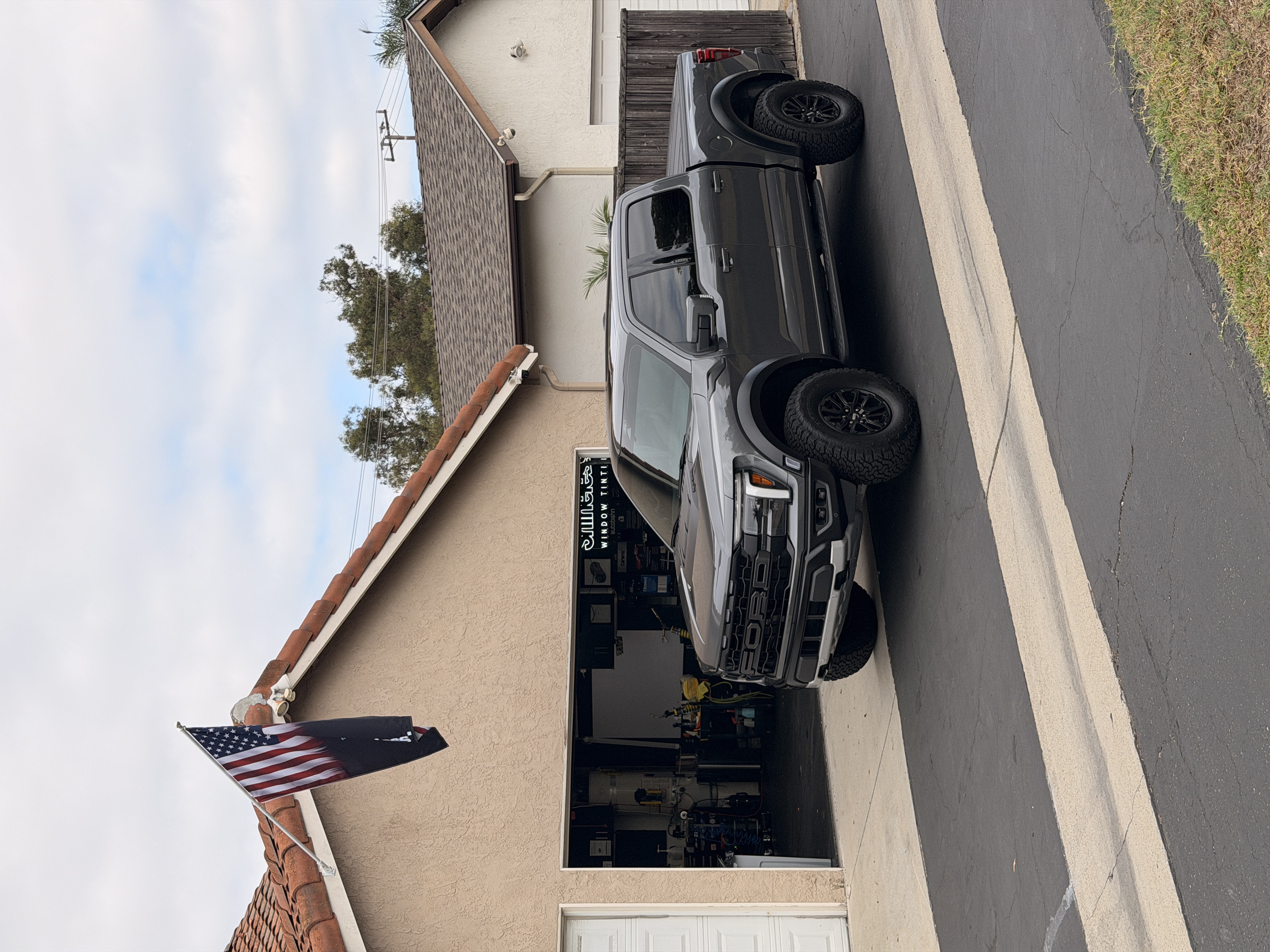
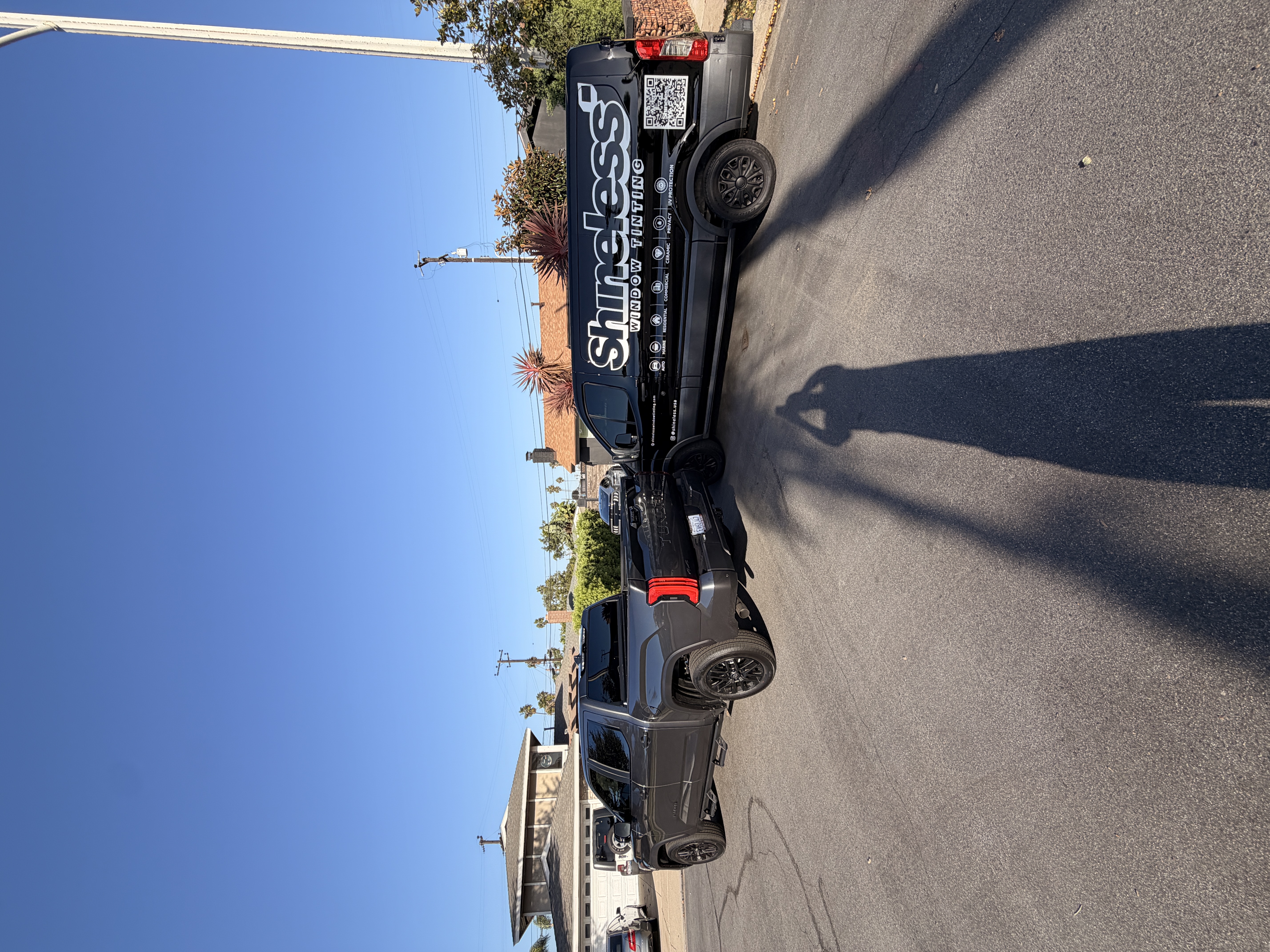
Common Questions
Why does my window tint look lighter than my friend's even though we have the same shade?
The difference is likely due to your vehicle's interior color. White or light-colored interiors reflect ambient light back through the glass, which makes the tint appear more transparent compared to a car with a black interior that absorbs light.
Is factory privacy glass the same as ceramic window tint?
No, factory privacy glass is typically just dyed glass designed for aesthetics and does not offer significant infrared heat rejection. In contrast, nano-ceramic film is specifically engineered to block up to 71 percent of total solar energy.
Can I tint my front side windows in California?
Yes, but you must remain compliant with California Vehicle Code section 26708, which requires a minimum of 70 percent VLT for front side windows. Since most factory glass already has a slight tint, you must ensure the combination of your film and the glass stays within the legal limit.
Does ceramic window tint block cell phone signals?
No, non-metallized ceramic films are designed to be interference-free. Unlike metallic films that contain metal flakes, ceramic films allow for perfect GPS, radio, and cellular signal reception.
Ready to Protect Your Home?
Free in-home consultations across Huntington Beach, Newport Beach, Seal Beach & Laguna Beach.
(714) 360-9969 — Free EstimateStop UV Damage Before It Starts
Shineless installs premium ceramic window film at your home — no shop visit needed. Serving Huntington Beach, Newport Beach, Seal Beach, Laguna Beach, and all of Orange County.