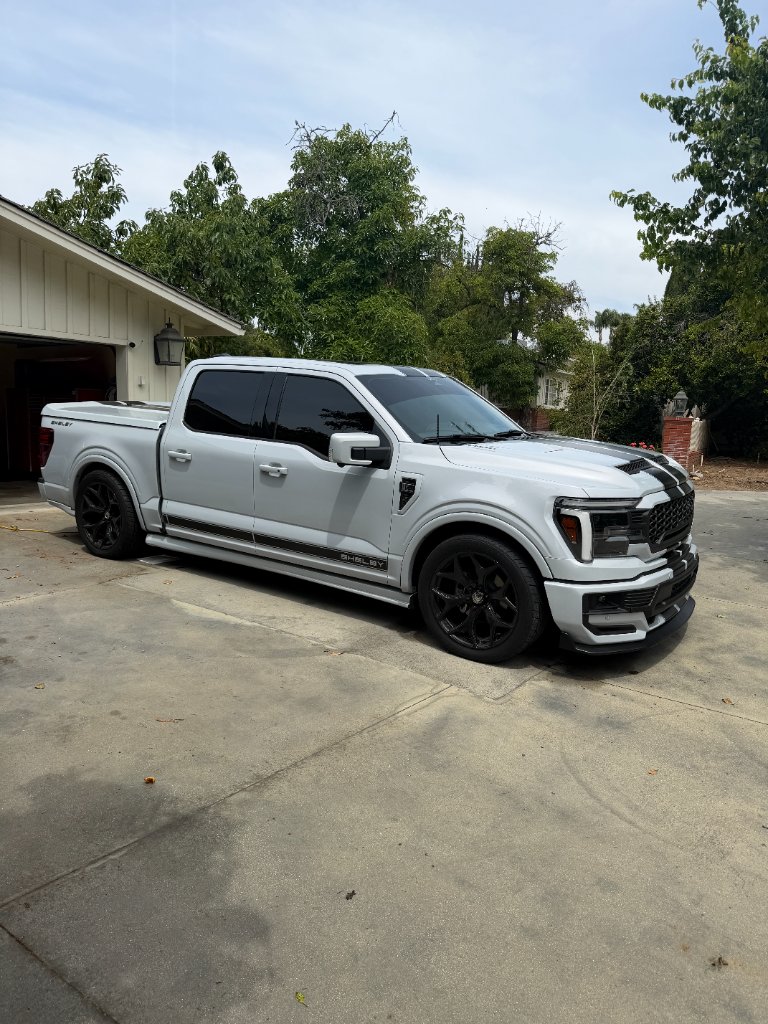
The Hidden Cost of Cabin Heat: Preserving Modern Tech and Trim in Huntington Beach
Modern vehicles are effectively computers on wheels, housing sensitive electronic systems, expansive glass surfaces, and premium interior trim materials. In the coastal and inland climates of Orange County, from the direct solar exposure at Huntington State Beach to the prolonged thermal soak common in 405 corridor parking structures, your vehicle interior faces daily thermal stress. This environmental exposure does more than cause immediate cabin discomfort; it initiates a cycle of material fatigue and electronic strain that accelerates the wear of your cabin components. Protecting your vehicle requires moving beyond the traditional notion that window film is solely for aesthetic privacy. High-performance nano-ceramic film serves as a proactive thermal management system, shielding your investment from the specific wavelengths of light—infrared and ultraviolet—that cause the most significant damage to automotive interiors. Understanding how these solar forces interact with your vehicle is the essential first step toward preventing long-term damage and maintaining resale value. ## The Technical Reality of Heat-Related Electronic Failure Modern automotive touchscreens and digital gauge clusters are sophisticated hardware, yet they have limits regarding thermal tolerance. These displays frequently rely on optical adhesives to bond the display to the outer glass. When cabin temperatures rise, especially in a parked vehicle, these adhesives can experience softening, which may lead to bubbling, delamination, or a visible yellowing along the edges of the screen. Beyond physical degradation, high temperatures can increase the internal resistance of the display's processing hardware. This internal strain may manifest as touch responsiveness lag, where the interface becomes sluggish or unresponsive, hindering your ability to control essential vehicle functions. ## UV Damage vs. Infrared Heat Build-up It is common to conflate the effects of ultraviolet radiation and infrared heat, but they degrade your vehicle through distinct mechanisms. UV radiation acts as a powerful bleaching agent, breaking down the chemical bonds in pigments and polymers. This process directly contributes to the fading of seat leather, the cracking of dashboard vinyl, and the dulling of trim components over time. In contrast, IR radiation is the energy responsible for heat buildup. As IR waves enter through your windows, they are absorbed by surfaces like your steering wheel, center console, and seats. This intense energy causes materials to expand and contract repeatedly, leading to warped dashboard surfaces, peeling adhesives, and leather that loses its natural moisture, eventually resulting in permanent cracking. ## The Myth of Factory Privacy Glass Many drivers operate under the assumption that the factory-smoked glass common on SUVs and trucks provides adequate thermal protection. In reality, factory-tinted rear glass is simply glass with pigment added during the manufacturing process. While it reduces visible light, it offers minimal rejection of infrared heat. Consequently, your leather seats and rear-mounted electronics remain fully exposed to the thermal load of the sun. Unlike high-performance automotive window tint, factory glass does not stop the solar energy that causes cabin heat, making aftermarket ceramic application the most effective method for thermal insulation. ## Heat Management and EV Battery Performance For electric vehicle owners in Southern California, cabin heat presents a distinct operational challenge. When you park in a hot office lot or at popular destinations, your vehicle cabin acts as a greenhouse. If the vehicle's thermal management system is configured to maintain a baseline temperature to protect the electronics or cabin climate settings, the battery may expend energy to run the cooling system even while the vehicle is parked. By installing high-rejection Tesla window tint, you lower the cabin's heat load. While this does not prevent all temperature rise, it reduces the thermal burden, potentially minimizing the cooling system's duty cycle. ## Understanding Ceramic Tint Specifications When evaluating window film, it is critical to look for technical data that validates performance. As a dealer of Hüper Optik and XPEL products, we prioritize films that reject heat without using metallic layers that interfere with your vehicle's GPS, radio, or cellular signals. Below are the key specifications to consider when comparing quotes: - Total Solar Energy Rejected (TSER): This measures the percentage of total solar energy blocked by the film. Higher percentages correlate with better overall heat rejection. - Infrared (IR) Rejection: This targets the specific portion of the spectrum that causes the sensation of heat. Modern high-end ceramics are designed to reject a high percentage of IR rays to maintain cabin comfort. - UV Rejection: High-quality films are designed to block up to 99% of harmful UV rays, providing a layer of protection for your interior trim. - Visible Light Transmittance (VLT): This refers to the darkness of the film. Per California Vehicle Code 26708.5, front side windows must allow at least 70% VLT. For those seeking protection without darkness, high-VLT clear ceramic films provide solar rejection comparable to darker variants. ## Comparing Film Technologies Not all window films are engineered with the same performance criteria. Understanding the market helps you ensure you are paying for actual thermal protection. - Dyed Film: These are budget-friendly and primarily for aesthetic change. They offer minimal heat rejection and are prone to color instability over time. - Carbon Film: A step up, offering better color stability and moderate heat reduction, but these films often struggle with the intense IR loads found in Southern California environments. - Nano-Ceramic Film: The industry standard. These films are dye-free and metal-free, providing maximum IR rejection and optical clarity without interfering with onboard electronics. They are the recommended choice for owners looking to preserve their vehicle's interior for the long term. ## Transparent Limitations and Risks We prioritize complete transparency regarding what window tint can achieve. While high-performance ceramic film significantly reduces the rate at which your cabin heats up, it cannot prevent heat gain indefinitely if the car remains in direct sunlight for an extended period. It effectively extends the duration it takes for your interior to reach extreme temperatures and allows your air conditioning to cool the cabin more efficiently, but it is not a substitute for active climate control systems. Additionally, film clarity is paramount; we avoid the use of thick, low-quality films that cause a hazy appearance, as this can degrade visibility and the driving experience. ## The Mobile Advantage in Orange County We recognize that your time is a valuable commodity. Traditional brick-and-mortar shops often require you to drop off your vehicle and arrange alternative transportation, which can disrupt your work or personal schedule. Our mobile service model brings the shop to you. Whether you are at your home in Huntington Beach, your office near the 405, or any location within our 30-mile radius, we perform full installations in our mobile environment. Most installations are completed in approximately 3 hours, ensuring that your vehicle receives protection with minimal impact on your day. For professional installation of industry-leading ceramic window film, or to discuss which package best fits your vehicle’s specific needs, call or text us at (714) 360-9969. You can also view our service options and schedule your installation directly at https://shineless.bookings.getclickrez.com/book/vehicle.

Common Questions
Does factory tint protect my car from heat?
Factory tint is primarily pigment added to the glass to reduce visible light, but it offers negligible rejection of infrared heat. Consequently, it does not stop the solar energy that causes cabin heat, making aftermarket ceramic application necessary for true thermal insulation.
Can window tinting improve my electric vehicle efficiency?
Yes, by installing high-rejection window film, you lower the cabin's heat load while parked. This reduces the thermal burden on the vehicle, potentially minimizing the energy the battery must expend to run the cooling system.
Does window tinting interfere with my car electronics?
High-quality nano-ceramic films are metal-free, which means they do not interfere with your vehicle's GPS, radio, or cellular signals. This is why we prioritize these films over older metallic-based technologies.
How long does a mobile tinting installation take?
Our mobile installation process is designed for convenience and efficiency. Most vehicle installations are completed in approximately 3 hours or less at your chosen location.
Ready to Protect Your Home?
Free in-home consultations across Huntington Beach, Newport Beach, Seal Beach & Laguna Beach.
(714) 360-9969 — Free EstimateStop UV Damage Before It Starts
Shineless installs premium ceramic window film at your home — no shop visit needed. Serving Huntington Beach, Newport Beach, Seal Beach, Laguna Beach, and all of Orange County.