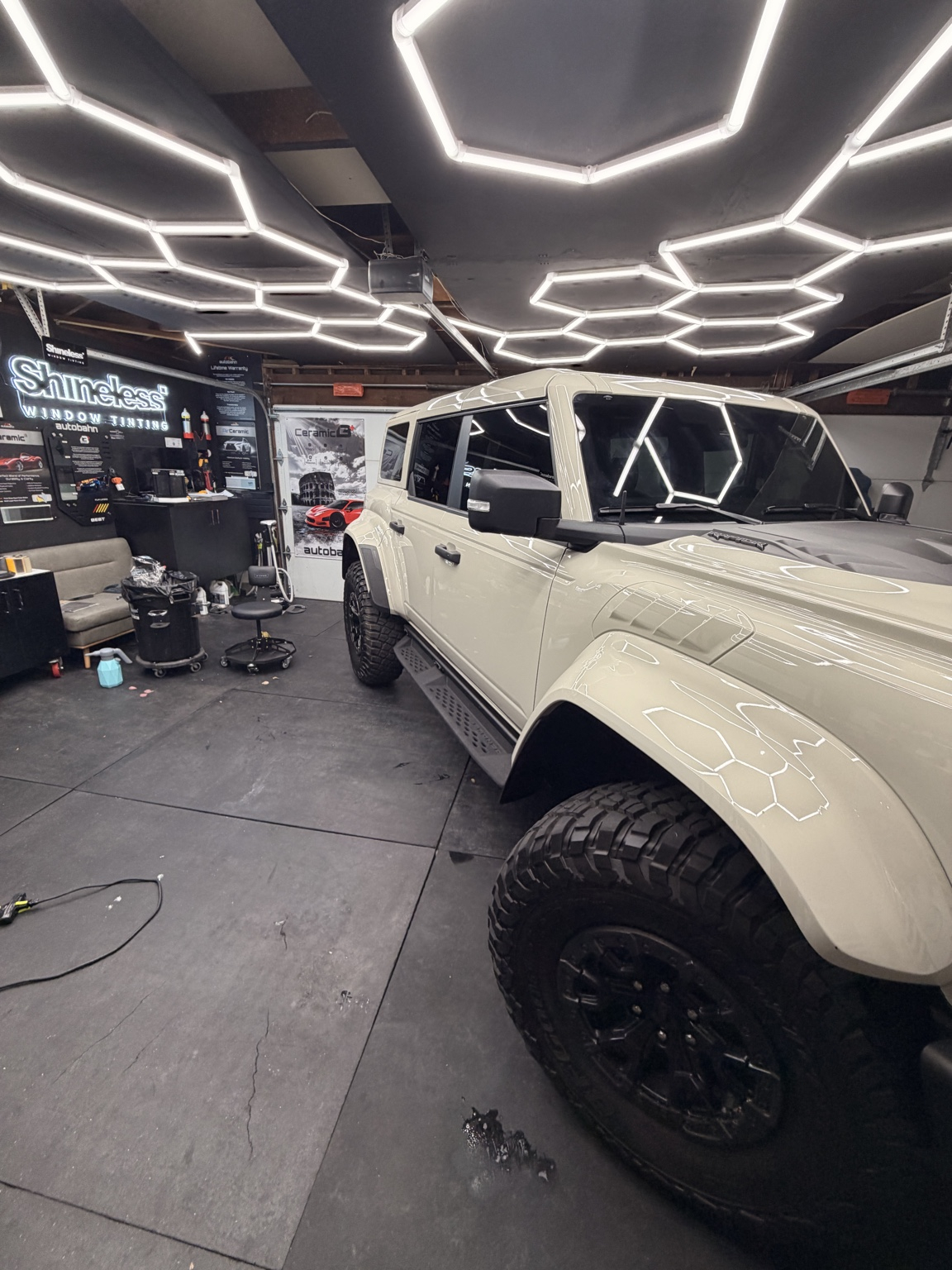
Worried About Visibility? How We Ensure Crystal Clear Vision With Tinted Windows
Many drivers in Orange County hesitate to tint their vehicles because they fear the trade-off between heat rejection and road safety. The primary concern is straightforward: will the windows be too dark to see clearly through at night, in heavy rain, or within the dimly lit parking structures common throughout Huntington Beach and Newport Beach? The fear of a compromised view is valid when considering poor-quality materials, but high-performance automotive window film is designed to enhance safety, not hinder it. Understanding the difference between light transmission and optical clarity is the first step toward a comfortable driving experience. Whether you are navigating the unlit stretches of the Pacific Coast Highway or maneuvering into a tight spot at Pacific City, your ability to see the road should never be sacrificed for interior comfort. Modern nano-ceramic technology provides a solution that manages heat and glare without creating the hazy, foggy, or blurred vision often associated with inferior products. This guide clears up common misconceptions and explains exactly how we ensure you maintain a crystal-clear view of the road. The visibility of your windows is determined by the quality of the raw materials, the chemical composition of the adhesive, and the precision of the installation. When you choose a professional, you are investing in a film engineered for optical neutrality. This means the film is nearly invisible to the eye once applied, allowing you to focus on your surroundings while enjoying the benefits of superior solar protection. ## Understanding the Causes of Poor Visibility Many drivers mistakenly believe that any window tint will naturally reduce their ability to see at night. In reality, significant vision loss is rarely a function of a high-quality, light-shade film. Instead, poor visibility is typically caused by three factors: the use of cheap dyed or metallic films, the presence of chemical or optical haze, and excessive darkness in unsuitable conditions. Dyed films use particles to block light, but they are prone to degradation from the sun, leading to color shifts and a hazy appearance that diffuses oncoming headlights and street lamps. Similarly, metallic films can reflect light internally, creating a mirror-like effect that complicates your view of the side mirrors during rainy conditions. Another culprit is the quality of the adhesive. Low-grade manufacturing processes often result in microscopic imperfections in the film that scatter light. When light enters these distortions, it creates a milky look or a glowing halo around oncoming headlights, which is particularly fatiguing during long drives through dark residential neighborhoods. High-end nano-ceramic films, such as those we utilize from Hüper Optik and XPEL, are specifically formulated to eliminate these issues. By removing dyes and metals, these films achieve a clarity that is generally indistinguishable from bare glass to the human eye. ## The Legal Floor: Understanding California Law California Vehicle Code Section 26708 is the standard for automotive tint in our region. The regulation states that front driver and passenger side windows must allow at least 70% visible light transmission (VLT) when combined with the factory glass. It is critical for drivers to understand that factory-installed automotive glass is not perfectly clear. Even without any aftermarket tint, most modern vehicle glass meters between 75% and 80% VLT. Because the legal threshold is 70%, applying a film that is labeled as 70% VLT can sometimes push the total net transmission below the legal limit. This is why we prioritize accurate metering during our automotive window tint consultations. Adhering to these standards is not just about avoiding a citation from local law enforcement, but ensuring the driver maintains the necessary level of light for safety in all conditions. We help our clients find the balance that maximizes heat rejection while staying within the legal framework that California mandates for front-facing visibility. ## Defining Clarity: Specifications for High-Performance Film When selecting film for your vehicle, you should look for specific performance metrics that distinguish high-end ceramic products from entry-level alternatives. The following list provides a baseline for what you should expect from a professional-grade installation: - Total Solar Energy Rejected (TSER): Look for films that offer high TSER, typically ranging from 50% to 70%, which reduces the load on your climate control system. - Infrared Heat Rejection (IRR): Modern nano-ceramic films block a high percentage of IR rays, which are the primary source of heat sensation in the cabin. - UV Protection: A quality film blocks up to 99% of harmful ultraviolet rays, protecting both your interior trim and your skin. - Visible Light Transmission (VLT): For front windows, you must remain at or above 70% net VLT to comply with California regulations. - Optical Clarity: Premium films feature a dye-free, metal-free construction that eliminates internal reflection and haze. - Signal Neutrality: Because these films contain no metal, they do not interfere with GPS, cellular, or radio signals, which is a common issue with metallic films. For more information on why specific materials matter, visit our page on windshield tint. ## DIY Test: How to Assess Clarity Yourself Before you commit to a shop or a specific film brand, you can perform a simple, real-world test on a sample swatch. Do not rely solely on the shade of a digital image or the look of a display board in a showroom. Take a sample of the film and hold it up to a light source—a high-intensity headlight or a bright screen at night. Look specifically for fogginess or haze when viewing a sharp light source through the film. If the film distorts the light, creates a rainbow-like diffraction pattern, or feels like you are looking through a dirty lens, it will perform poorly on your vehicle. A high-quality nano-ceramic film will show no discernible difference in clarity when placed over your eyes compared to looking through bare air. If the installer cannot provide a sample for you to test under real-world conditions, this should be a consideration. ## Choosing the Right Film for Your Needs Not all film technologies serve the same driver. Understanding the differences helps you select the right investment for your vehicle: - Dyed/Carbon Films: These rely on pigments to absorb heat. They are the most affordable but provide the least heat rejection and can fade or haze over time. - Metallic Films: These use thin layers of metal to reflect heat. They offer good performance but can interfere with modern vehicle electronics and often create reflections at night. - Nano-Ceramic Films: This is the premium standard. They use ceramic particles to filter infrared light without the need for dyes or metals. They offer the highest clarity, the best heat rejection, and zero interference with electronics. This is the only film we install, as it provides the most reliable performance for drivers who demand both comfort and safety. ## Limitations and Transparency: When Caution Is Required Even with the highest-quality nano-ceramic film, there are factors that owners must respect. A dark tint will always reduce light transmission; therefore, if you frequently drive in rural areas with no street lighting, even a legal tint will require more focus than driving with clear windows. Additionally, if your windshield or side windows have pre-existing surface scratches or pits, the film may highlight these imperfections. While we clean the glass thoroughly before every installation, a professional installer will always be honest if your glass condition is likely to affect the final result. We are committed to an honest assessment; if we believe a specific request will compromise your safety or violate the law, we will advise against it. Our goal is to provide a service that you can rely on, backed by manufacturer warranties. We take pride in our mobile service, bringing our all services directly to your driveway in Huntington Beach and across Orange County, completing most installations in three hours or less to minimize disruption to your schedule. ## Your Trusted Partner in Automotive Clarity At Shineless Window Tinting, we believe the best installation is the one you forget is there. You should experience the benefits of a cooler cabin, reduced glare, and UV protection without ever feeling like your view of the world has been obstructed. We have been serving the Orange County community since 2016, bringing a methodical, expert approach to every vehicle we service. Whether you are looking to reduce the heat of the coastal sun or seeking a more consistent, professional look for your car, we have the tools and the expertise to deliver. If you are ready to upgrade your vehicle with industry-leading nano-ceramic film, we are here to help. Want a free quote? Tap here: https://shinelesswindowtinting.com/#contact-form. To schedule your service, visit our booking page: https://shineless.bookings.getclickrez.com/book/vehicle. You can also reach us directly by calling or texting (714) 360-9969 or (424) 399-0506.
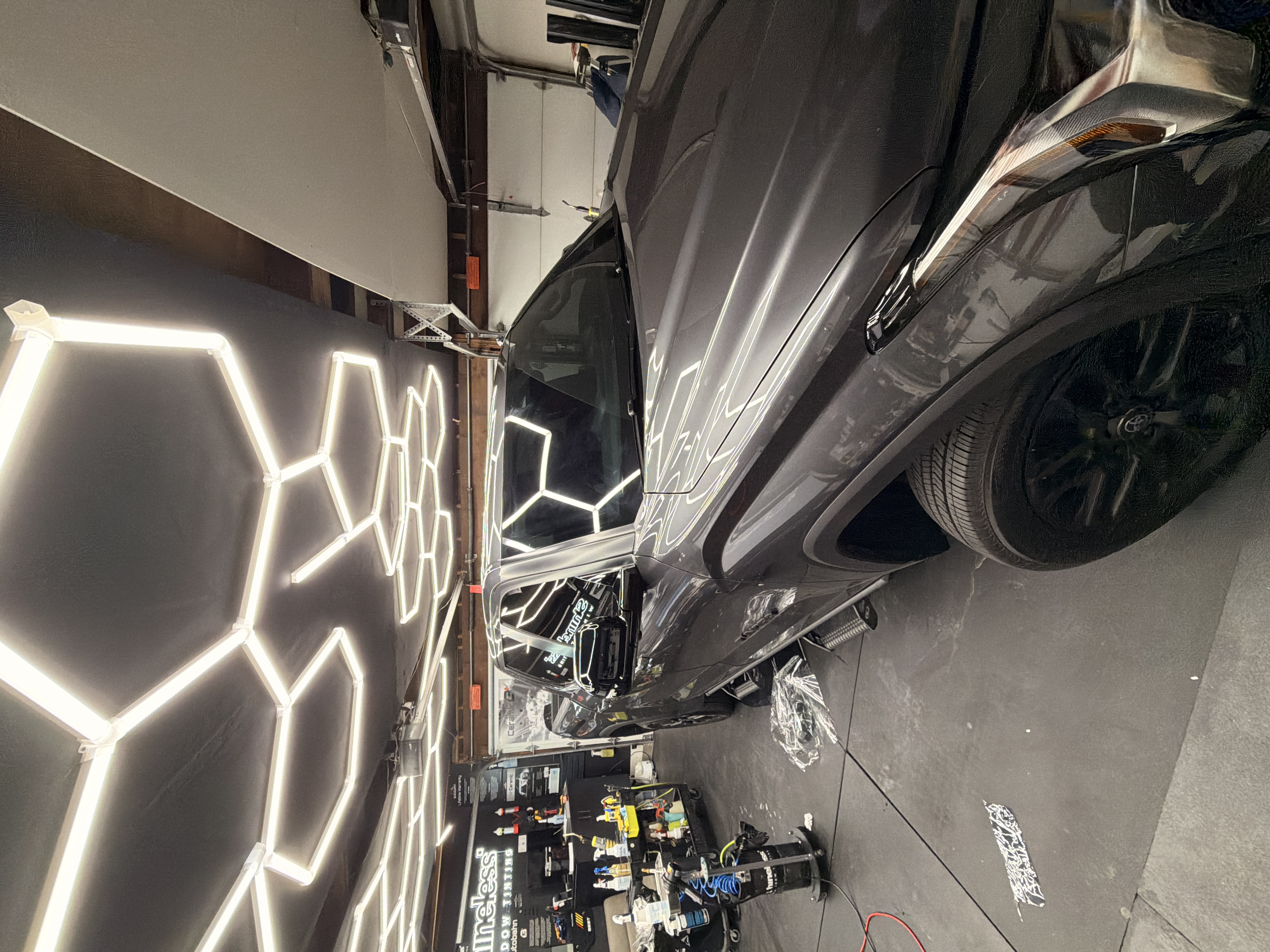
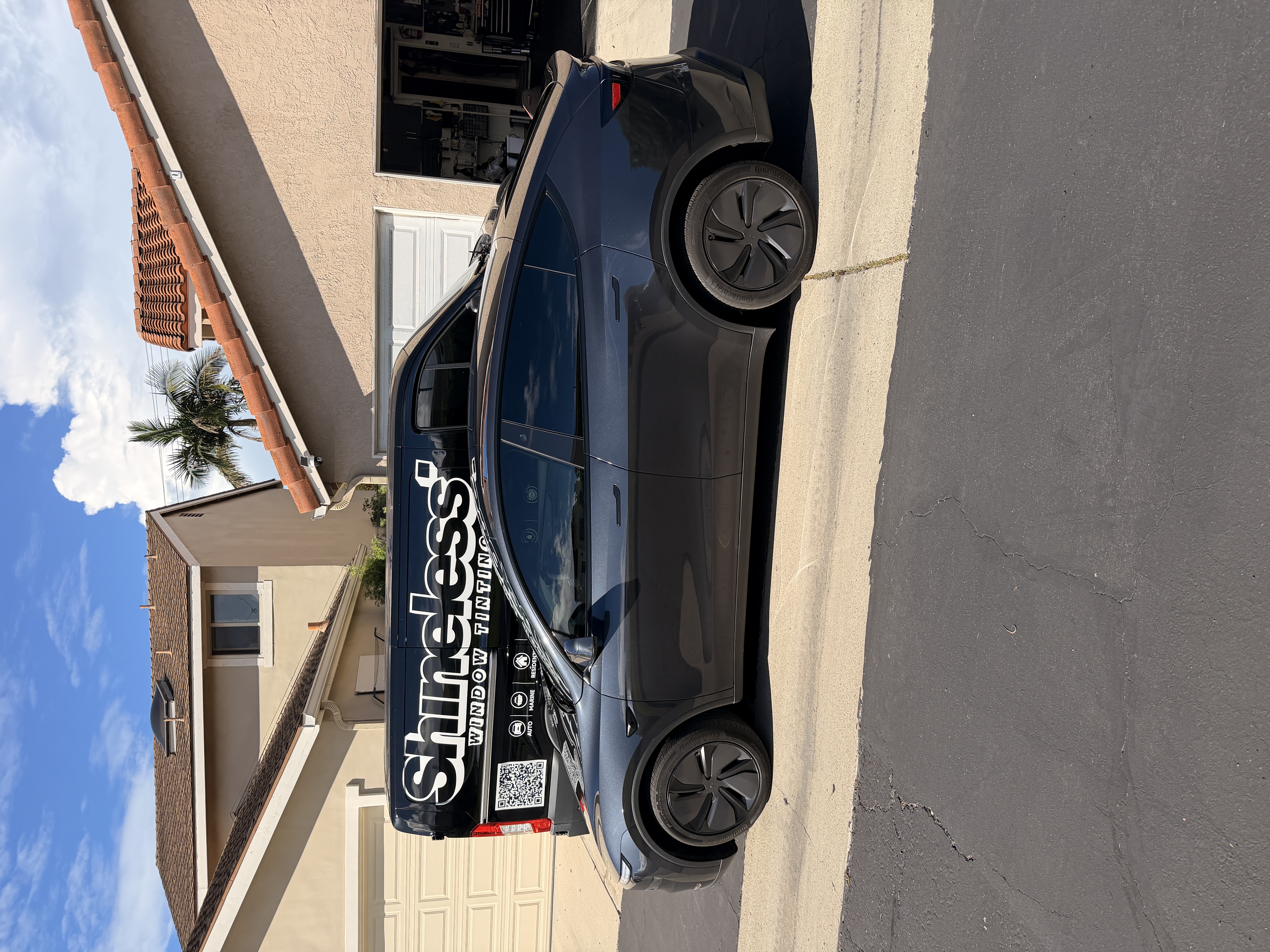
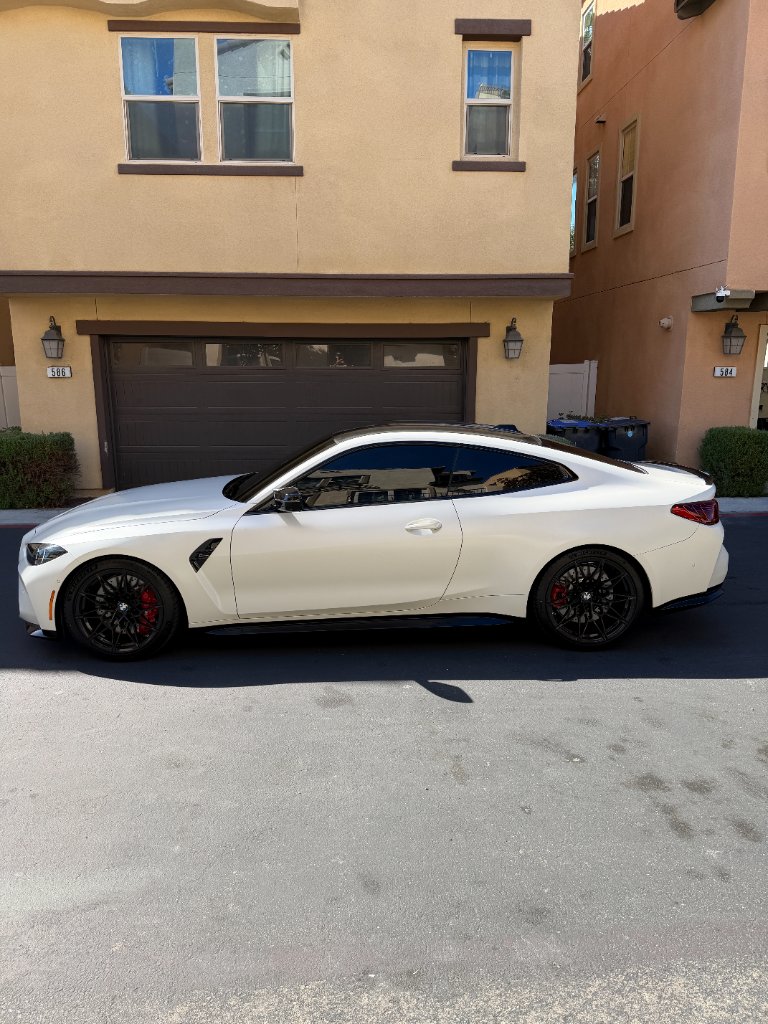
Common Questions
Does window tint make it hard to see at night?
High-quality nano-ceramic films are engineered for optical clarity and generally do not hinder visibility. Poor visibility at night is usually caused by using cheap dyed or metallic films rather than the tint shade itself.
What is the legal tint limit in California for front windows?
California Vehicle Code Section 26708 requires that front side windows allow at least 70% visible light transmission when combined with factory glass. Because factory glass already blocks some light, professional metering is recommended to stay compliant.
Do ceramic window tints interfere with cell phone signals?
No, nano-ceramic films do not interfere with electronic signals. Unlike metallic films that can block GPS, cellular, or radio reception, ceramic options are signal-neutral.
How do I know if a window film will be hazy?
You can test a sample of the film by looking through it at a high-intensity light source, such as a headlight or a bright screen in a dark room. If the film distorts the light, creates a halo, or looks foggy, it will likely provide poor visibility on your vehicle.
Ready to Protect Your Home?
Free in-home consultations across Huntington Beach, Newport Beach, Seal Beach & Laguna Beach.
(714) 360-9969 — Free EstimateStop UV Damage Before It Starts
Shineless installs premium ceramic window film at your home — no shop visit needed. Serving Huntington Beach, Newport Beach, Seal Beach, Laguna Beach, and all of Orange County.