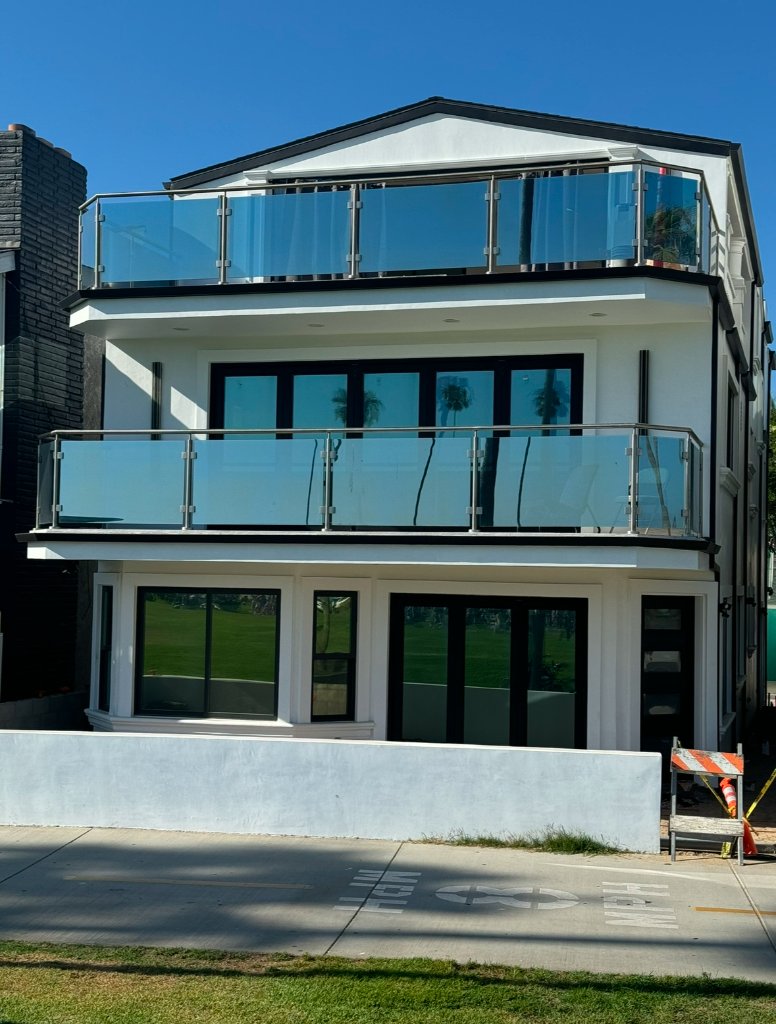
Why Cheap Window Film Fails in Coastal Orange County: Salt Air, Corrosion, and Adhesives
Living in coastal Orange County offers incredible views, but the marine environment creates a unique set of challenges for your home glass. Whether you reside in the historic neighborhoods of Seal Beach, the bayside homes of Newport Coast, or the beachfront properties lining Pacific Coast Highway in Huntington Beach, your windows are under constant attack from airborne sodium chloride and heavy humidity. Many homeowners discover too late that standard window films, especially budget-friendly options, lack the chemical stability required to withstand this harsh, salty climate. At Shineless Window Tinting, we see the aftermath of these failures regularly. While generic films may perform adequately in inland cities, they often fail structurally within a few years when exposed to the persistent salt spray and moisture found along our coast. This article explains exactly why this degradation happens and what you must look for to ensure your investment protects your home instead of peeling off your glass. ## The Chemistry of Salt Air and Film Failure The primary culprit behind premature window film failure in coastal environments is the combination of airborne salt particles and high humidity. In areas like the Balboa Peninsula or Old Town Seal Beach, the air acts as a corrosive electrolyte. When this moisture and salt settle on your windows, they create a microscopic layer of salt crystals at the edge of your film. Because most cheap, entry-level films utilize standard mounting adhesives, these chemicals slowly penetrate the film edge and dissolve the bond between the adhesive and the glass. This leads to the most common issue we see: edge peeling and bubbling. As the adhesive matrix breaks down, the film loses its structural integrity, leading to an unsightly appearance that only worsens over time. This chemical reaction is accelerated in our region because the humidity levels prevent the salt deposits from drying out, keeping the surface in a state of constant exposure to corrosive ions. ## Why Metallized Films Corrode in Coastal Climates Many competitors offer metallized or sputtered films as a high-heat-rejection solution. While these products perform well in dry, desert environments, they are a liability in coastal Orange County. Metallized films contain microscopic layers of metal embedded within the film structure. When exposed to the salt-heavy air of places like Lido Isle or West Newport, these metal particles undergo a process called oxidation or demetallization. Essentially, the salt air reacts with the metal components, causing the film to become hazy, spotty, or discolored. In some cases, the film may even begin to flake at the edges. For homeowners near the ocean, this makes metallized films a poor long-term investment. You are far better off choosing a dye-free, metal-free nano-ceramic film that cannot corrode, regardless of how much salt spray touches the glass. These films remain chemically inert, ensuring that your view remains crystal clear even after years of exposure. ## Protecting Your Home Without Sacrificing Views One of the biggest concerns for residents in Newport Coast and Huntington Harbour is maintaining their sightlines. You bought your home for the ocean view, not to cover it up with heavy, dark, or reflective films. Modern nano-ceramic technology allows for high visual light transmission while simultaneously rejecting significant infrared heat and blocking 99.9% of harmful ultraviolet rays, per International Window Film Association standards. This technology protects your hardwood floors, delicate fabrics, and ocean-view furniture from the sun fading caused by UVA radiation that naturally penetrates standard glass. You get the comfort of a climate-controlled interior and the preservation of your decor without the artificial, mirror-like appearance associated with older, reflective film technologies. These films provide excellent clarity, allowing you to enjoy your coastal views while keeping the internal environment comfortable during the heat of the afternoon. ## Safety and Dual-Pane Glass Compatibility Many homeowners hesitate to apply film to modern dual-pane windows, fearing that solar control will cause seal failure or stress cracks. When you work with a professional installer who understands thermal dynamics, this risk is managed through careful selection of film properties. High-quality ceramic films are designed to manage heat without trapping excessive energy that would otherwise damage the insulated glass unit. Proper installation involves calculating the solar absorption of the glass to ensure the film is safe for specific window types. We specialize in precision residential window film applications that prioritize the safety of your window seals, ensuring that your glass remains structurally sound and your manufacturer warranty stays intact. We evaluate the glass-to-frame clearance and the thermal expansion characteristics of each window to determine the safest application strategy. ## Comparison: Choosing the Right Film for Your Home Not all window films are created equal. Here is how the most common types compare when placed in a harsh coastal environment: - Dyed Film: The most affordable option, but it uses standard adhesives that fail quickly in humidity and will turn purple or bubble within two to three years in a coastal setting. We never recommend these for homes due to their poor chemical stability. - Metallized/Hybrid Film: Effective at heat rejection but highly prone to oxidation. In places like Seal Beach or Newport Beach, the metal particles will degrade due to salt exposure, leading to a hazy, cloudy appearance that distorts your view. - Entry-Level Ceramic Film: Offers better thermal stability than dyed films but may lack the specialized cross-linked binders required for extreme longevity in high-salt areas. - Premium Nano-Ceramic Film: The gold standard for coastal homes. These films are metal-free and dye-free, meaning they are chemically inert and immune to oxidation. They typically carry an expected lifespan exceeding 10 years when installed correctly, making them the most reliable choice for long-term residential use. ## Transparency Regarding Limitations and Risks We believe in full honesty regarding our services. No window film lasts forever, and even the best premium film will eventually reach the end of its functional life after many years of heavy UV and thermal exposure. Additionally, while film significantly reduces solar heat gain, it does not function like a refrigerator; it mitigates the sun's impact on your indoor temperature rather than eliminating it. Furthermore, if your windows are already damaged, have compromised seals, or exhibit existing stress cracks, installing film can sometimes highlight these pre-existing conditions. We always conduct a thorough inspection of your glass before proceeding to ensure the job is safe for your property. If we see a window that is unsuitable for film, we will be transparent about the limitations and risks involved. ## Professional Installation Specifications When evaluating quotes, use these standards to compare the quality of the products being offered: - UV Rejection: Quality residential film should block 99.9% of harmful UV radiation, protecting interior materials from fading. - Metal Content: Ensure the product is 100% metal-free to prevent corrosion from salt spray in coastal zones. - Total Solar Energy Rejected: Look for films that offer high TSER (often up to 70%) to ensure maximum heat rejection without needing dark, heavy dyes. - Infrared Rejection: High-end ceramic films should offer up to 99% infrared rejection for superior thermal comfort. - Signal Integrity: Your film must be non-conductive to ensure no interference with cellular, Wi-Fi, or satellite signals in your home. - Warranty: A professional-grade installation should be backed by a comprehensive manufacturer warranty, ensuring your investment is protected against product defects. ## Our Mobile Service and Expertise Shineless Window Tinting brings the solution directly to your driveway. We operate as a mobile service, providing expert automotive window tint and residential applications throughout Orange County. Whether you are in downtown Huntington Beach or the most exclusive streets of Newport Coast, our team arrives fully equipped to handle your project efficiently. Most residential installations are completed in a single visit, allowing you to enjoy the benefits of reduced glare and improved interior comfort immediately. We are certified dealers of both Hüper Optik and XPEL, brands known for their rigor and performance in challenging environments. If you want your all services handled by professionals who understand the specific environmental stressors of our coastline, reach out to us today. Protect your view and your home investment with the right technology. For a consultation or to schedule an installation, call or text us at (714) 360-9969 or (424) 399-0506. You can also book your appointment directly at https://shineless.bookings.getclickrez.com/book/vehicle.

Common Questions
Why does window film turn purple or bubble in coastal areas?
Window film often bubbles or changes color in coastal environments because salt-laden air and humidity degrade the standard mounting adhesives. Over time, salt crystals penetrate the film edge and break the chemical bond between the film and the glass.
Are metallized window films good for beach homes?
No, metallized films are not recommended for coastal homes because they contain metal particles that oxidize when exposed to salt air. This oxidation leads to a hazy, spotty appearance and eventual film failure.
Does window film affect cellular or Wi-Fi signals inside a home?
Standard or low-quality metallized films can interfere with signals, but premium non-conductive nano-ceramic films do not. These modern films are designed to reject heat without blocking cellular, Wi-Fi, or satellite signals.
Will window film cause my dual-pane windows to break?
When installed by a professional who calculates solar absorption, window film is generally safe for dual-pane glass. Professional installers assess the glass and frame to ensure the film manages heat without causing stress fractures or seal failures.
Ready to Protect Your Home?
Free in-home consultations across Huntington Beach, Newport Beach, Seal Beach & Laguna Beach.
(714) 360-9969 — Free EstimateStop UV Damage Before It Starts
Shineless installs premium ceramic window film at your home — no shop visit needed. Serving Huntington Beach, Newport Beach, Seal Beach, Laguna Beach, and all of Orange County.