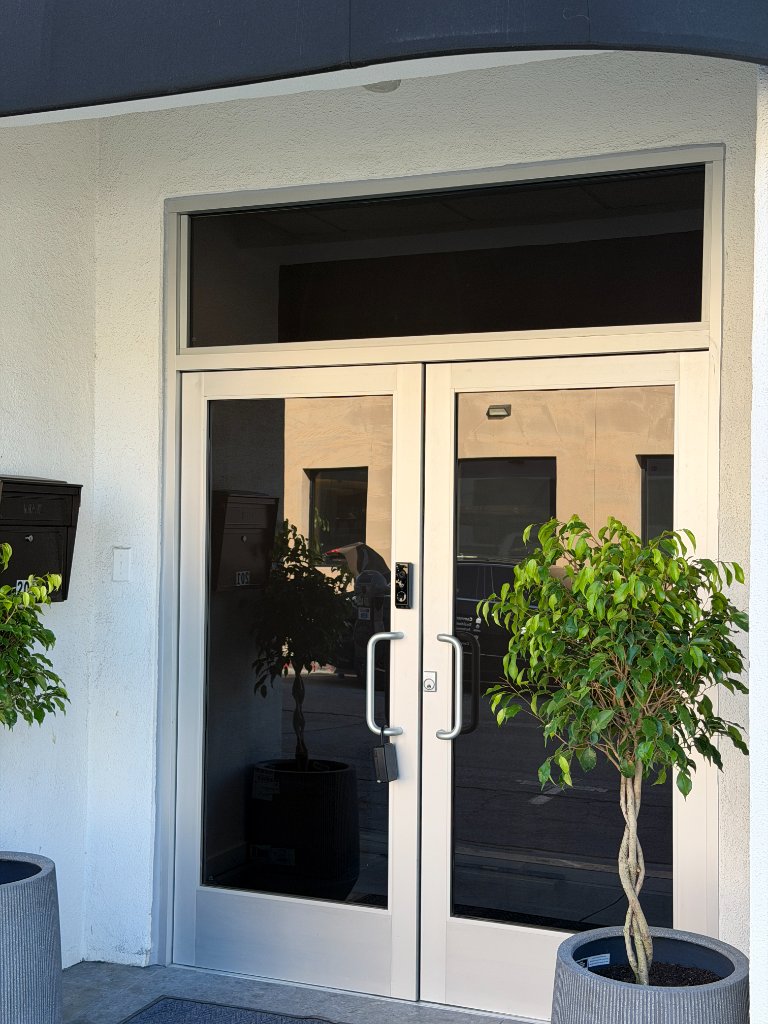
Before and After: Commercial Window Tinting Across Offices, Banks, and Restaurants
In the sun-drenched commercial corridors of Orange County, from the coastal offices of Huntington Beach to the bustling retail strips of Irvine and Santa Ana, glass is a defining architectural feature. However, that same glass often turns modern workplaces into thermal traps, forcing building managers to rely heavily on HVAC systems while occupants endure the constant distraction of intense glare and rising temperatures. Effective commercial window film is a functional intervention that alters how light, heat, and privacy function within a professional environment. By applying high-performance solar control films, businesses across Orange County are addressing the fundamental mismatch between traditional building design and modern environmental demands. Whether dealing with low-rise office parks, financial branches, or glass-heavy restaurant storefronts, the goal remains the same: reclaiming usable space and reducing operational overhead without sacrificing the aesthetic integrity of the property. Below, we examine three common commercial environments, the before-and-after reality of the installation, and the operational considerations for business owners. ## Solving Office Perimeter Glare and Thermal Load Before tinting, a typical low-rise office in a place like Newport Beach or Anaheim experiences significant thermal fluctuations. By mid-afternoon, desks near south or west-facing windows often become difficult to use. Staff members may resort to closing blinds, which blocks natural light and forces the office to rely on artificial overhead lighting. The film decision here usually involves a high-clarity, spectrally selective ceramic film that filters out infrared heat while maintaining high visible light transmission. After the application, the result is a more stable thermal environment near the perimeter glass. Because the film is spectrally selective, employees retain their view and natural light, reducing the need to keep blinds drawn. From an operational standpoint, this is managed after hours or during weekends to ensure zero disruption to daily workflows. The result is a more uniform climate and a reduction in the glare that compromises screen visibility for office workers. ## Privacy and Security in Financial Branches and Medical Offices Banks, credit unions, and medical offices have unique requirements regarding privacy and heat. Before film, these locations often struggle with high visibility from the street, and tellers or patients may suffer from the glare of high-angle afternoon sun reflecting off pavement. Standard solar films might address the heat, but they can be too reflective or dark, making the branch feel uninviting. Our approach involves installing ceramic-based films that provide substantial solar heat rejection without creating a mirror-like finish. By choosing a neutral-toned, dual-reflective film, the bank gains a layer of security by mitigating glass fragmentation while achieving the desired level of privacy. After the installation, the interior remains bright and professional, projecting an image of stability and comfort. Because these facilities often operate on strict schedules, we coordinate with branch managers to execute installation in phases, allowing the business to continue serving clients in unaffected areas without closing their doors. ## Converting Overheated Restaurant Windows into Revenue For many restaurants in Orange County, window-side tables are the most desirable in the morning but the most shunned during the afternoon rush. The radiant heat and harsh glare make diners uncomfortable, causing staff to lose valuable seating capacity. Before film, owners often leave these tables empty, effectively shrinking their floor plan and increasing the demand on air conditioning to cool the entire dining room. After applying high-performance solar film, the thermal balance of the room is improved. By blocking a significant percentage of incoming solar heat, the glass ceases to radiate heat onto the diners, turning once-rejected seating into more comfortable tables that can be utilized throughout the day. The film's high optical clarity ensures that the outdoor view remains crisp. We manage these projects with careful attention to kitchen and dining schedules, typically working during the restaurant's slowest period to ensure that the dining room is ready for the next service shift. ## Technical Specifications for Commercial Film When comparing quotes for your commercial property, it is essential to look at the underlying performance data. Understanding these metrics will help you avoid low-tier products that may fail or discolor prematurely. - UV Rejection: High-performance films can block up to 99% of damaging UV rays, which is helpful for preventing the fading of flooring, interior finishes, and inventory. - Total Solar Energy Rejected (TSER): This is the measure of a film's ability to reduce heat. Depending on the tier, our films can reject up to 78% of incoming solar heat. - Energy Cost Savings: Proper installation of solar control film can contribute to a reduction in cooling-related energy costs, though individual results depend on your building's current insulation and orientation. - Pricing: Commercial pricing in the Orange County region typically ranges from $5 to $12 per square foot, which varies based on the film technology—such as ceramic, dual-reflective, or safety films. ## The Reality of Film Choices: Dyed vs. Ceramic It is common for business owners to be presented with various film options, ranging from inexpensive dyed films to advanced nano-ceramic technology. Dyed films rely on color to absorb heat; over time, the dye can fade, often resulting in a purple or hazy appearance. They offer limited infrared heat rejection. Conversely, our focus is on premium dye-free, metal-free nano-ceramic films. Because these films do not use dyes, they do not fade, and because they are metal-free, they do not interfere with cell phone signals or Wi-Fi connectivity. Furthermore, high-quality ceramic offers superior clarity. If you are comparing quotes, verify if the film is ceramic or dyed; if a vendor is offering a suspiciously low price, they are likely using a lower-tier film that may require replacement within a few years, negating your initial investment. ## Transparent Limitations and Risks We believe in full transparency regarding commercial retrofits. One of the primary risks with window film is thermal stress fracture. When you apply film to older, single-pane, or especially double-pane glass, the film increases the heat absorption of the glass itself. If the glass has existing edge defects or is not compatible with the chosen film's thermal absorption rate, it can create stress. We perform a thorough assessment of your glass type, size, and existing seals before making a recommendation. We also advise on whether your glass is tempered or annealed, as this heavily dictates which films can be safely applied without risking the integrity of the glass unit. If you have older, compromised seals, no amount of high-quality film will solve the existing moisture issues between panes, and that should be addressed by a glazier first. ## Operational Flexibility and Support Our mobile service model is designed for the high-paced Orange County business environment. Whether you operate a retail storefront in a mall, an office in a business park, or a medical clinic, we provide a structured approach to installation that respects your bottom line. Our technicians are trained to work efficiently, often completing standard installations in 3 hours or less, depending on the scope of the project. We offer after-hours and weekend scheduling to ensure that your business continuity is protected. To learn more about our specific solutions, explore our commercial window film page or review our full all services list. We are a certified Hüper Optik and XPEL dealer, ensuring that the materials we use carry long-term reliability. For a professional assessment of your commercial glass, do not hesitate to reach out. We serve the entire 30-mile Orange County radius. Want a free quote? Tap here: https://shinelesswindowtinting.com/#contact-form or call/text us at (714) 360-9969. For mobile automotive booking, visit https://shineless.bookings.getclickrez.com/book/vehicle.
Common Questions
Does commercial window film interfere with cell phone or Wi-Fi signals?
Our professional-grade, metal-free nano-ceramic films do not interfere with cell phone signals or Wi-Fi connectivity. This is a significant advantage over older, metallic film technologies.
Can window film be installed without closing my business?
Yes, we coordinate with business and branch managers to execute installations in phases or during after-hours and weekends. This ensures that your business can continue serving clients in unaffected areas without closing your doors.
Will applying window film cause my glass to crack?
There is a risk of thermal stress fracture when applying film to certain glass types, particularly if there are existing edge defects or compromised seals. We perform a thorough assessment of your glass type and condition before making a recommendation to ensure safe application.
What is the difference between ceramic and dyed window films?
Ceramic films are dye-free and metal-free, offering superior heat rejection and clarity without fading over time. Dyed films rely on color to absorb heat and can fade or turn purple, often providing lower levels of infrared heat rejection.
Ready to Protect Your Home?
Free in-home consultations across Huntington Beach, Newport Beach, Seal Beach & Laguna Beach.
(714) 360-9969 — Free EstimateStop UV Damage Before It Starts
Shineless installs premium ceramic window film at your home — no shop visit needed. Serving Huntington Beach, Newport Beach, Seal Beach, Laguna Beach, and all of Orange County.