Irregular Mullions, Fixed Millwork, and Zero Seams: A Master Commercial Tinter's Playbook
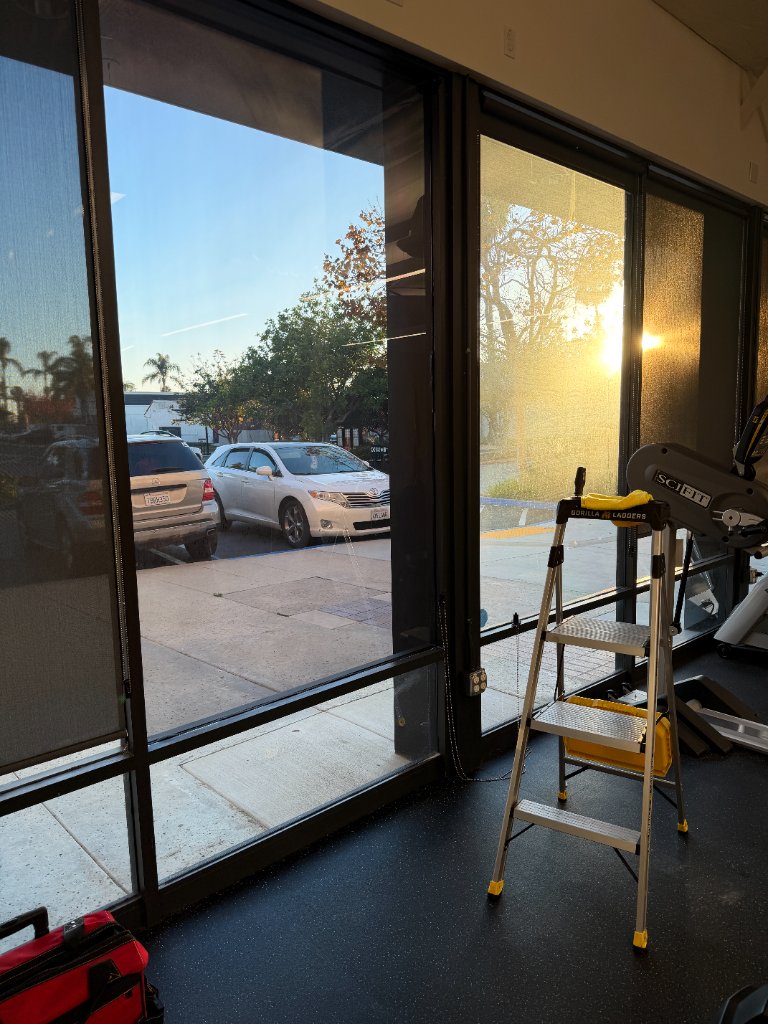
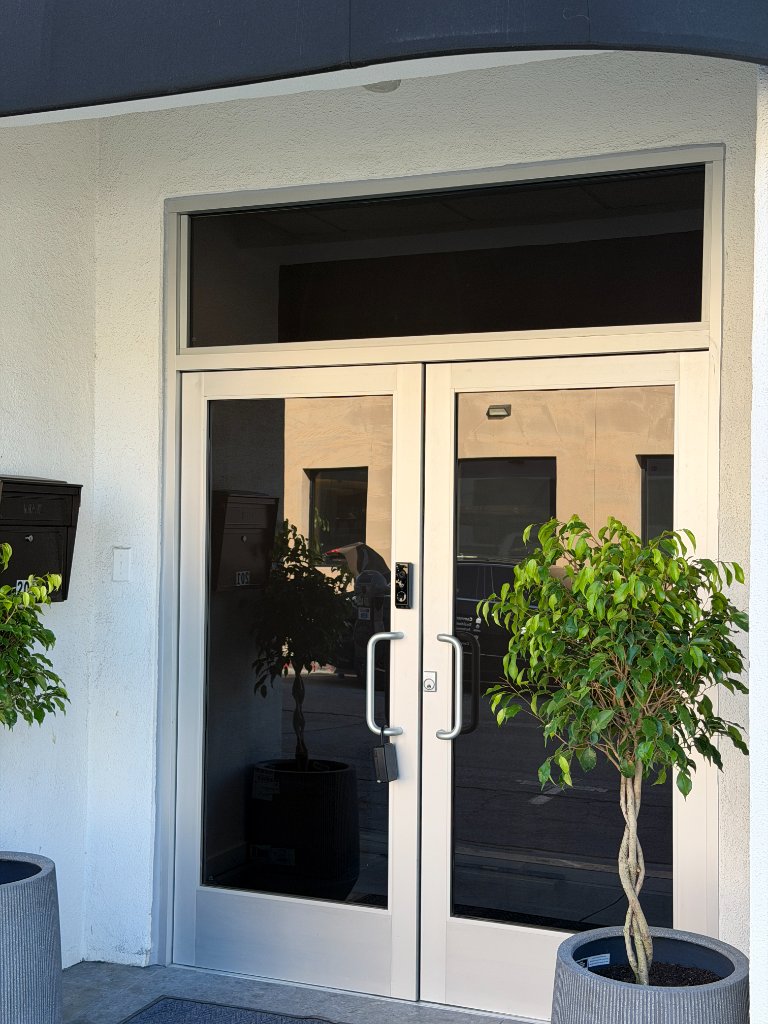
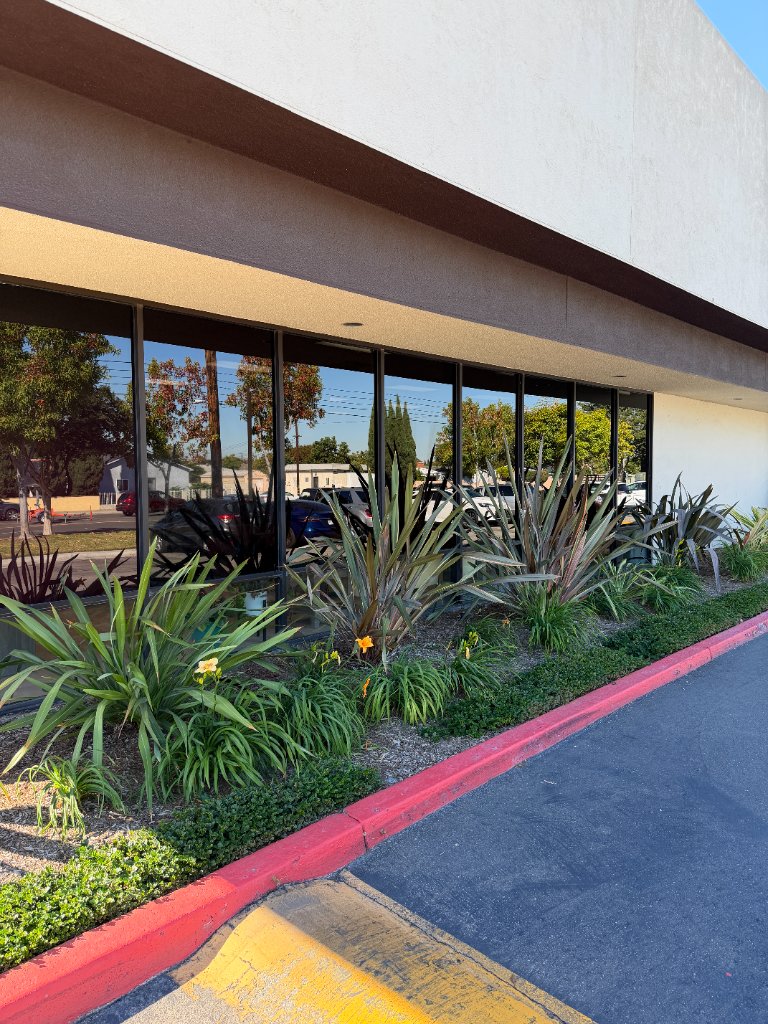
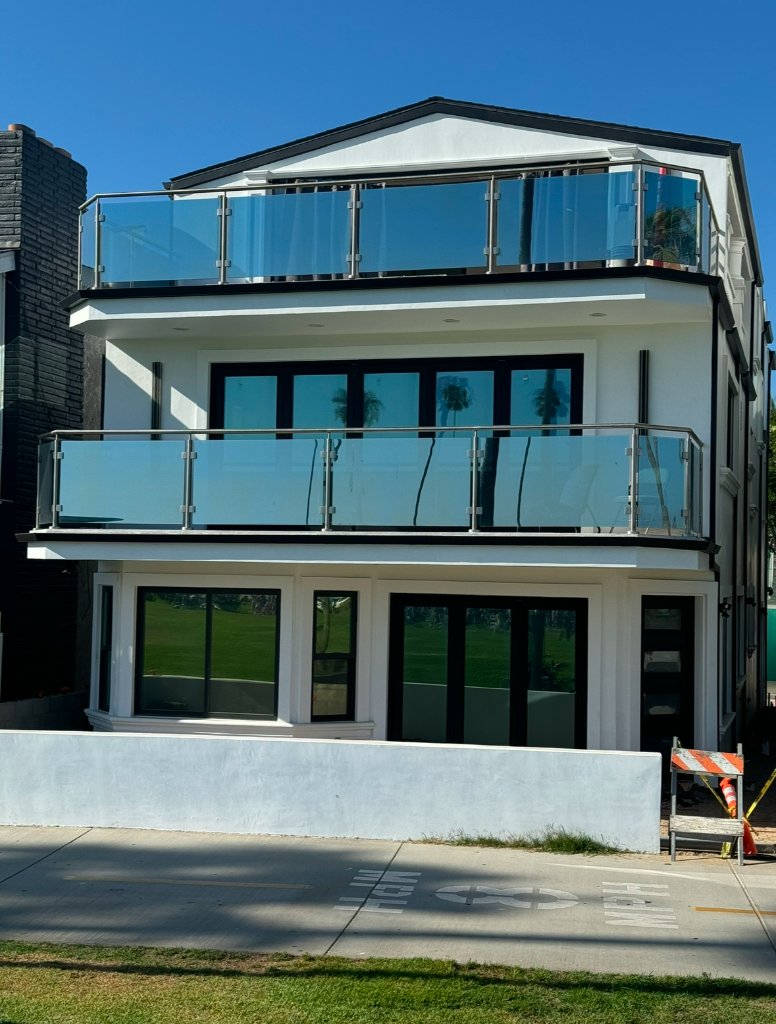
Commercial window tinting is often reduced to a simple, five-step checklist in marketing materials, but the reality for complex architectural projects in Orange County is far more demanding. When you are working in high-end office parks from the Newport Beach Medical Corridor to the Irvine Spectrum, you are not just applying a film; you are managing a high-stakes interface between sunlight, expensive interior assets, and rigid architectural design. The difference between a professional result and a compromised, peeling, or hazy installation lies in the preparation and the technical improvisation required when the glass dimensions do not cooperate with standard roll widths. At Shineless Window Tinting, we treat every commercial site as a unique engineering challenge. Whether we are navigating the tight corridors of a surgical suite or applying security film to a sprawling, irregular storefront, the goal is always the same: a seamless, long-term performance that complies with Title 24 California building standards while maintaining the aesthetic integrity required by property management. Experience in this field is not measured by speed, but by the ability to anticipate failure points before the first piece of film leaves the backing sheet. ## The Mathematics of Irregular Mullions and Roll Yields One of the most common failure points for amateur installations on commercial storefronts is the improper handling of vertical mullion spacing. Many office buildings feature non-standard pane widths that exceed the 60-inch width of many standard window films. If an installer fails to perform a precise site survey, they may be forced to leave unsightly, visible seams where two pieces of film meet. We avoid this by mapping every individual pane during the consultation phase. By calculating the yield of 36-, 48-, 60-, and 72-inch master rolls against the specific dimensions of each opening, we can order materials that cover every pane in a single, continuous sheet. This meticulous planning eliminates the need for horizontal or vertical seams, which are not only visually distracting but also represent potential failure points where dust or moisture can infiltrate over time. By utilizing wide-format rolls and mapping the glass layout first, we ensure structural continuity across the entire storefront elevation. ## Operating in Zero-Clearance Environments Working in professional medical suites or high-density office desks often leaves installers with less than 12 to 18 inches of working clearance. When you cannot back away from the glass to gain leverage, every move becomes high-risk. In these environments, we prioritize workspace protection—using specialized floor coverings and protective drapes to ensure no slip solution or contaminants hit sensitive electronic equipment or cabinetry. We utilize precision-cut techniques that minimize the need for wide-swinging motions. By working in tandem with a secondary technician who manages the film's tension as it is applied to the glass, we ensure that no dust particles are pulled into the adhesive layer, maintaining a clinical, air-bubble-free finish even in constrained spaces. This methodical, two-person approach is essential for maintaining a sterile environment in medical or high-tech office settings. ## Why Architectural Film Does Not Shrink Like Auto Tint Many clients ask if we can use the same heat-shrinking techniques on architectural glass that we use for curved automotive windows. The answer is a hard no. Automotive window film is designed to be heat-molded and stretched to fit compound curves; architectural film is manufactured for flat, tempered, or laminated glass and has no structural tolerance for that kind of manipulation. If you attempt to heat-stretch architectural film, you will distort the optical clarity, leading to a permanent haze or fog that ruins the view. Instead, we use advanced relief cutting and precision trimming techniques to fit the film into the specific perimeter of the gasket, ensuring that the film lays naturally without tension. Stretching the film is a shortcut that inevitably leads to shrinking and edge-peeling as the film undergoes thermal expansion and contraction over the years. By respecting the rigid nature of architectural films, we ensure the longevity of the install. ## Handling Coastal Contamination and Decaying Gaskets Coastal humidity in Huntington Beach creates a unique challenge: the breakdown of perimeter rubber gaskets and silicone caulk. Over time, these materials degrade, leaving a sticky, black residue that can easily contaminate the edge of a fresh film installation. We approach this by performing a deep-cleaning pass using specialized, non-corrosive agents that strip away decades of debris without damaging the integrity of the seal. If the gasket is severely compromised, we identify this during the pre-install inspection, providing the client with an honest assessment of whether the film can effectively bridge the gap or if the gasket requires maintenance before installation. This transparency ensures that we never seal contaminants under the film, which would otherwise cause peeling and discoloration within weeks of the job. A clean substrate is the most important factor in long-term edge adhesion. ## Technical Standards for a Flawless Finish When evaluating a commercial job, quality is not determined by how the film looks when you are standing two inches away with a flashlight. We hold our installs to the IWFA International Window Film Association architectural viewing standards. According to these guidelines, glass film should be inspected from 6 to 10 feet away, viewed perpendicular to the glass under natural daylight. This is the realistic standard of how a receptionist, a tenant, or a customer will actually see the building. Following these standards prevents unnecessary obsession with microscopic dust particles that are invisible under normal lighting conditions while ensuring the film achieves its functional purpose: high solar rejection and clear, consistent optics. We focus on the installation quality at these standard distances to ensure maximum aesthetic appeal for the end-user. ## Comparing Professional Grade vs. Budget Films Not all window films offer the same level of performance, and the differences become obvious within the first few years of installation. We generally categorize films into three tiers: - Dyed and Carbon Films: These are lower-cost options that provide some glare reduction, but they often lack significant infrared heat rejection. They are prone to fading and purpling over time, particularly in the intense Southern California sun. - Metallic Films: These provide high heat rejection but often struggle with reflectivity issues that conflict with local property management codes. They also carry a high risk of signal interference with mobile phones and GPS equipment, making them a poor choice for modern offices. - Premium Nano-Ceramic Films: As a certified dealer of Hüper Optik and XPEL, we exclusively install high-performance, dye-free, metal-free nano-ceramic films. These provide the highest levels of infrared rejection of up to 99 percent and total solar energy rejection of up to 70 percent without any haze, signal interference, or reflective mirror look. For coastal environments where visibility is as important as heat control, this is the only sustainable choice. Nano-ceramic technology is far superior to legacy film types for maintaining optical clarity and interior comfort. ## Managing Risks and Realistic Expectations Transparency is a cornerstone of our service. For example, commercial customers must be aware of the risk of thermal stress breakage, especially on insulated glass units and low-E coated windows. When high-performance film is applied to these units, the internal glass temperature can rise, putting stress on the seals. We always conduct a glazing compatibility verification before applying any film to ensure the glass can handle the increased thermal absorption. Additionally, customers should be prepared for the curing phase. Depending on the film thickness and the coastal moisture levels in Huntington Beach, typical commercial adhesive cure times range from 30 to 60 days. During this time, the window may look slightly cloudy or show small water pockets, which will evaporate as the chemistry sets. Knowing this prevents unnecessary panic and protects the long-term bond of the film. We prioritize a thorough glazing analysis to mitigate risks of glass cracking due to thermal expansion. ## Why We Are the Choice for Orange County Commercial Projects We bring the same level of precision to your commercial building that we provide in our automotive window tint and residential window film services. Because we are a mobile team, we bring our shop to your office, minimizing downtime and ensuring the highest standards of cleanliness. We are experts in commercial window film solutions that align with Title 24 energy standards and strict exterior appearance covenants. If you are looking for a reliable, expert-led installation that honors the value of your commercial property, we are ready to assist. Want a free quote? Tap here: https://shinelesswindowtinting.com/#contact-form. You can also reach us by calling or texting (714) 360-9969 to discuss your specific site challenges, or book your vehicle services at https://shineless.bookings.getclickrez.com/book/vehicle.
Common Questions
Can commercial window film be heat-shrunk like automotive tint?
No, architectural film is designed for flat glass and cannot be heat-molded like automotive film. Attempting to heat-stretch architectural film will distort its optical clarity and cause long-term issues like haze and edge peeling.
How long does it take for commercial window film to cure?
Typical commercial adhesive cure times range from 30 to 60 days. During this period, the windows may appear slightly cloudy or have minor water pockets that will disappear once the moisture evaporates and the adhesive sets.
Does nano-ceramic film interfere with cell phone or GPS signals?
No, premium nano-ceramic films are metal-free and dye-free, which prevents the signal interference often found with older metallic window films. This makes them an ideal choice for modern office environments.
What is the standard distance for inspecting window film quality?
According to International Window Film Association standards, you should inspect glass film from 6 to 10 feet away. This viewing distance ensures a professional result that matches how customers and tenants perceive the windows under natural light.
Ready to Protect Your Home?
Free in-home consultations across Huntington Beach, Newport Beach, Seal Beach & Laguna Beach.
(714) 360-9969 — Free EstimateStop UV Damage Before It Starts
Shineless installs premium ceramic window film at your home — no shop visit needed. Serving Huntington Beach, Newport Beach, Seal Beach, Laguna Beach, and all of Orange County.