Huntington Beach Tint Guide: How Heat and Coastal Fog Change Your Installation
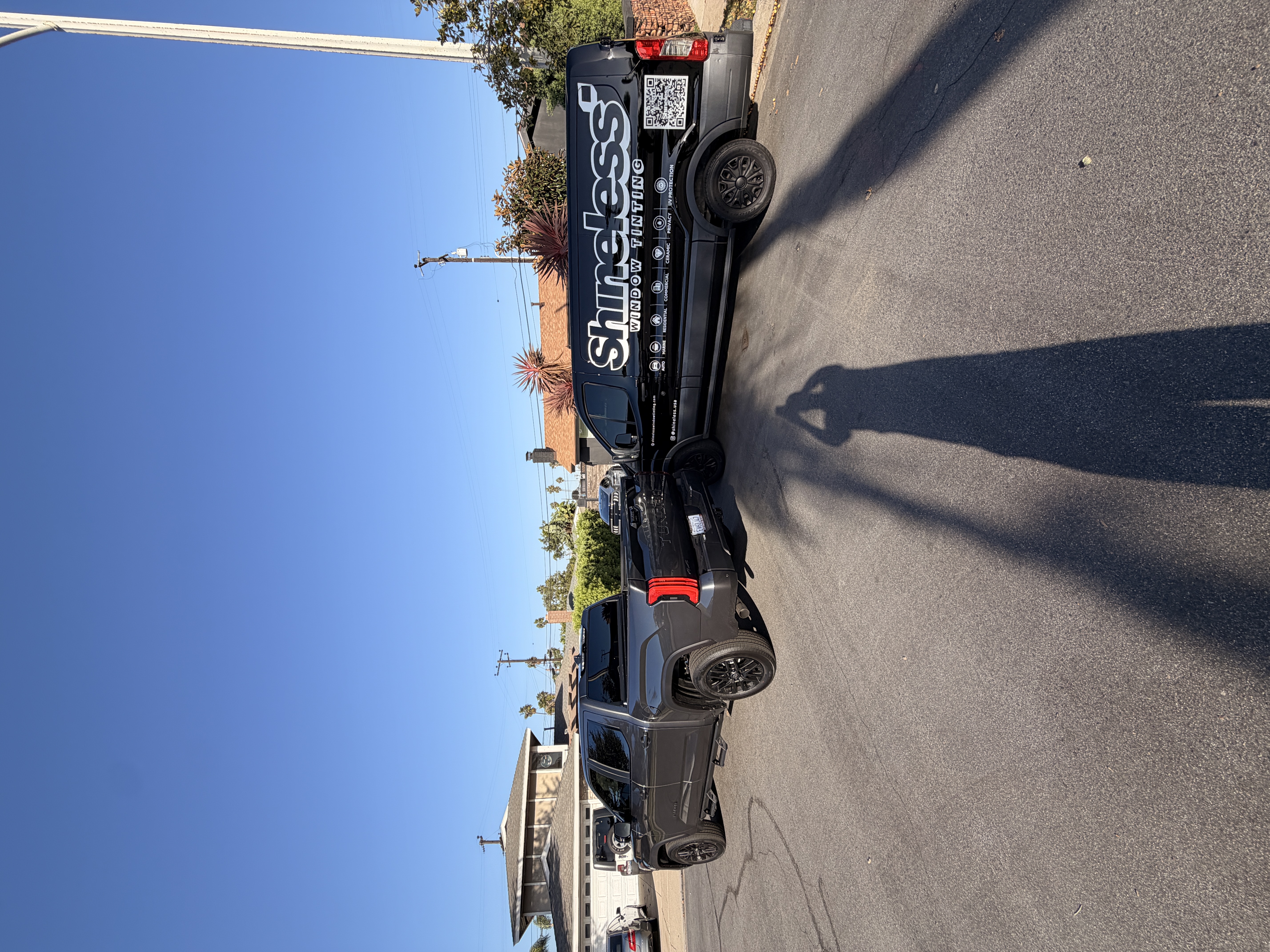
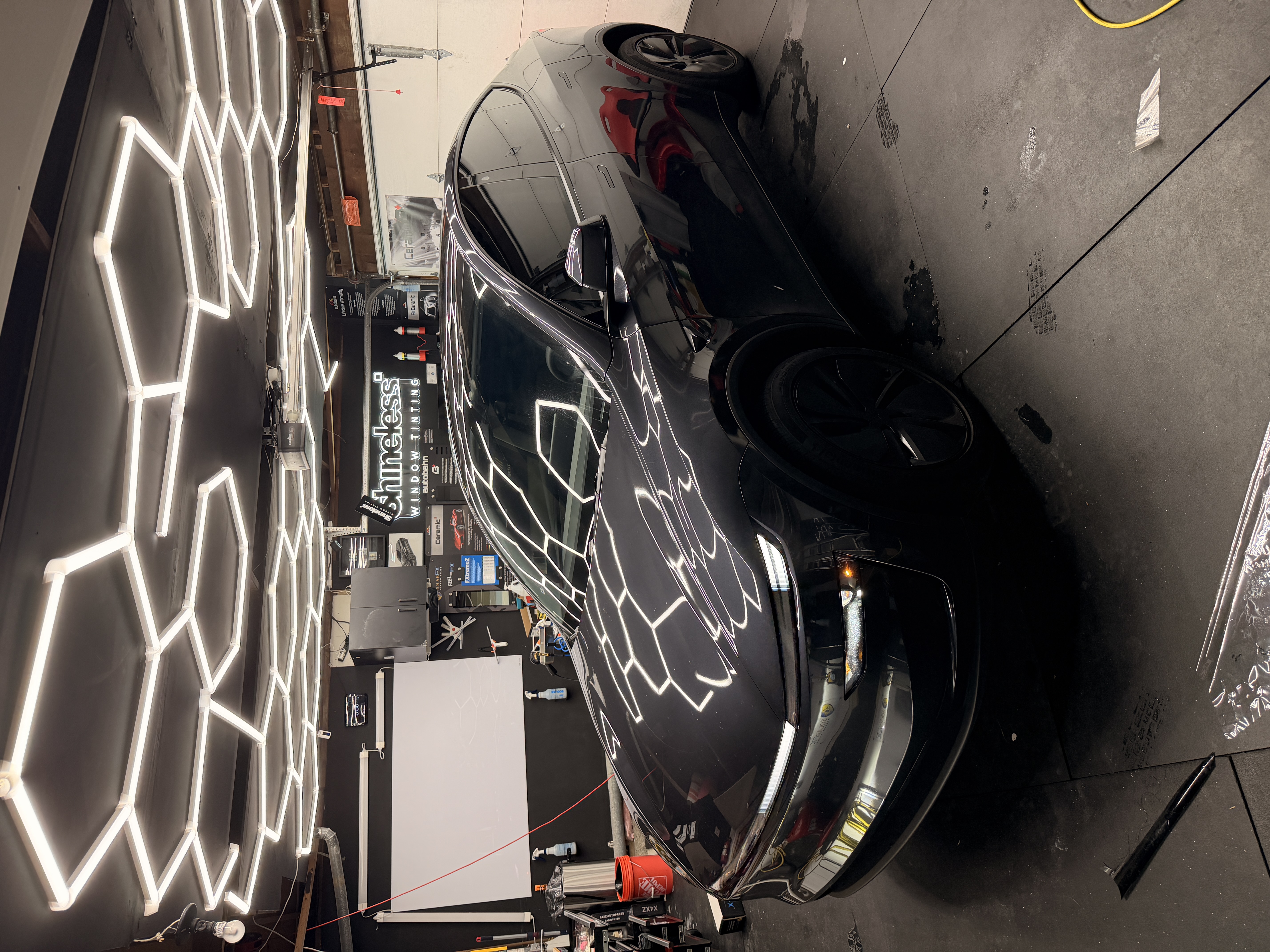
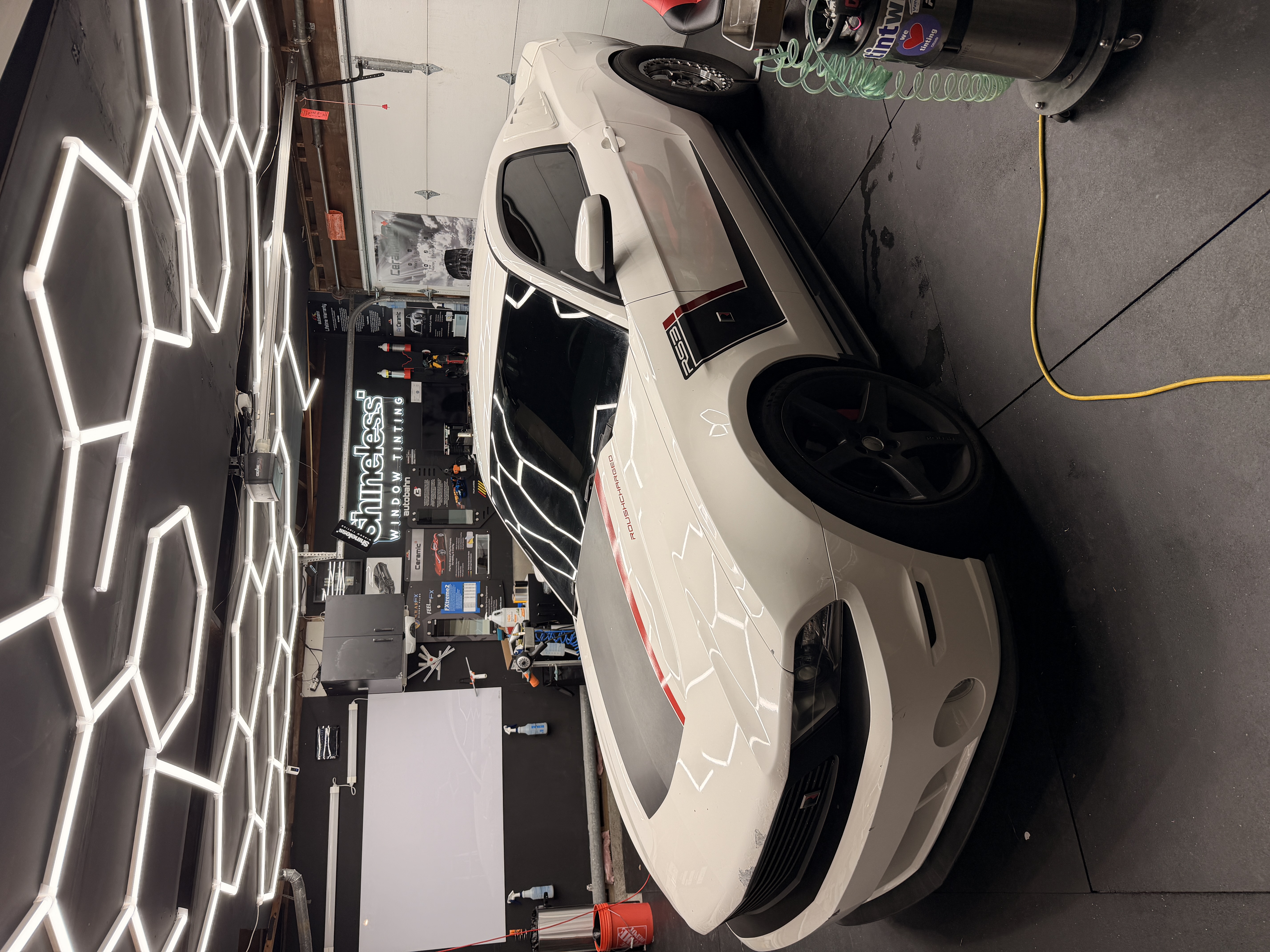
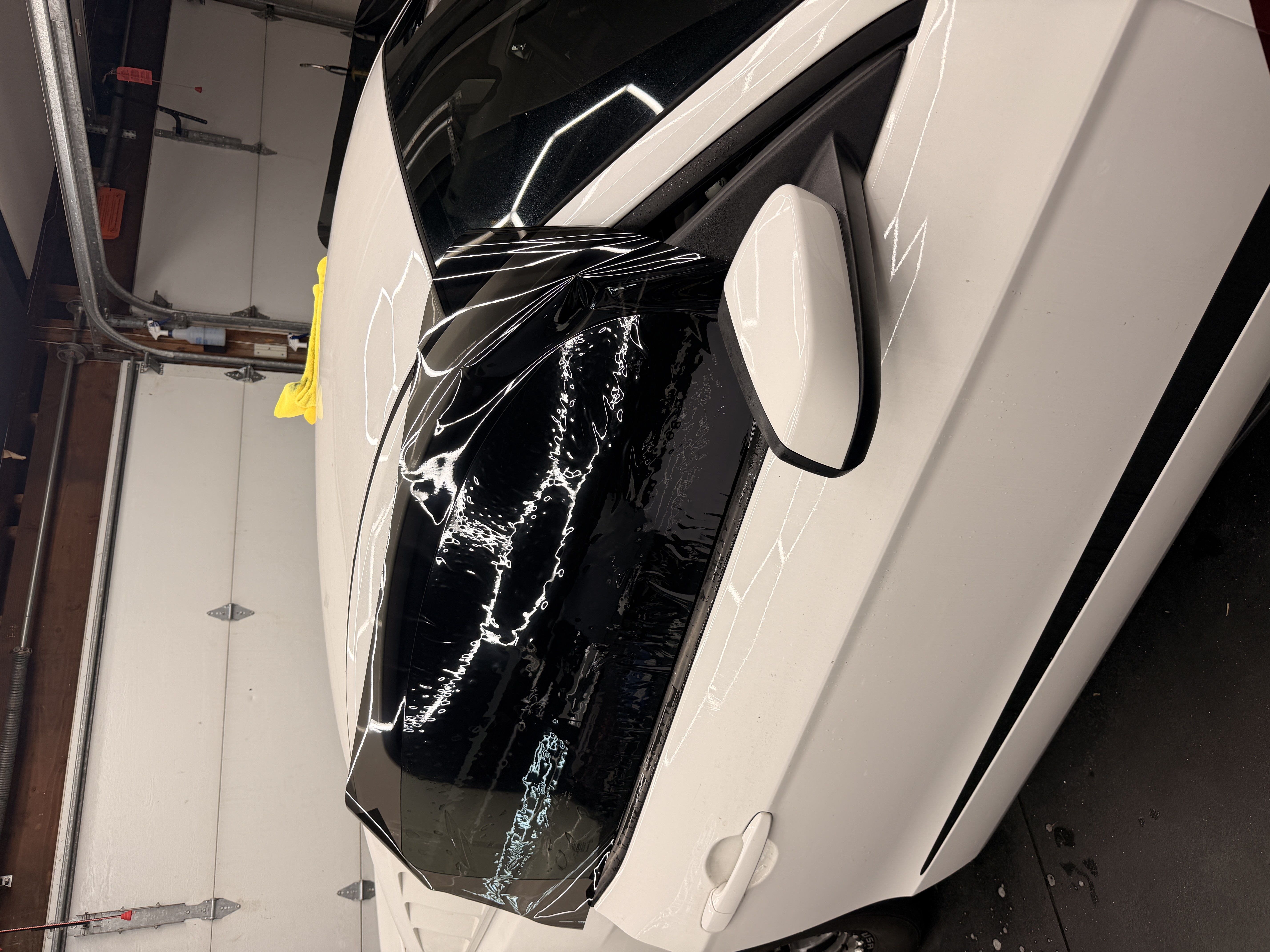
When you book a mobile window tinting service in Huntington Beach, the environment is as important as the film itself. Whether you are dealing with a Santa Ana heatwave or the thick morning marine layer, the temperature of your glass dictates how we handle the installation. Our goal is to provide a clean finish, which requires precise control over slip chemistry and heat-shrinking techniques that vary based on your local climate. ## Why Direct Sunlight is the Enemy of a Clean Install Professional mobile tinting requires a controlled environment, which is why we avoid working in direct, unshaded sunlight. When glass is baked by the sun, it can reach high surface temperatures. This heat causes the slip solution—the water-based mixture we use to position the film—to evaporate prematurely. This is known as premature adhesive bite. When the film adheres to the glass too quickly, it creates drag, prevents proper positioning, and increases the risk of trapping dust or debris between the film and the glass. A clean, indoor garage or carport is essential to keep the glass cool and the environment stable. ## The Chemistry of Slip Solution and Curing Times Slip solution allows us to slide the film into place before we squeegee it down. In the moderate temperatures of a controlled garage, this solution stays active for the duration of the install. When temperatures drop, or the coastal humidity rises, evaporation slows down. This is common during winter months in the coastal basin. Because ceramic and multi-layer nano-ceramic films are engineered for durability, they possess a specific thickness that requires adequate moisture release to bond with the glass. Moisture trapped during the installation process must evaporate through the film structure. In cool or humid conditions, this may result in temporary surface haze or minor water pockets. This is a common part of the curing process and should resolve as the film anchors to the glass. ## Heat-Shrinking Curved Glass: Tesla and Beyond Modern vehicles, including electric models like the Tesla Model 3 or Model Y, feature large, highly curved rear glass. This requires a process called heat-shrinking. We use a heat gun to shrink the film so it lays flat against the compound curves of the window. In hot weather, the glass itself is already under thermal stress. If we apply too much heat, we risk distorting the film or causing thermal shock to the glass. Conversely, in very cold weather, the glass is prone to stress if it is blasted with concentrated heat too abruptly. We must carefully manage ambient glass temperatures to ensure the film shrinks uniformly without any fingers or creases remaining. ## Seasonal Expectations for Your Appointment Understanding the difference between a mid-July appointment and a January morning is key to managing your expectations. - Warm, Dry Conditions (75°F and above): In these conditions, the slip solution evaporates relatively quickly. You should expect to keep your windows rolled up for at least 2 to 3 days to allow the adhesive to fully set. The full curing process, where all microscopic moisture pockets dissipate, takes about 30 days. - Cool or Humid Conditions (Below 60°F or marine layer): Due to slower evaporation, the curing time extends significantly. You will need to keep your windows rolled up for 5 to 7 days. Full moisture evaporation can take anywhere from 30 to 60 days depending on the sunlight exposure your vehicle receives afterward. ## The Difference Between Film Technologies Not all films behave the same way. We utilize premium, dye-free, metal-free nano-ceramic films. These films offer high infrared heat rejection and significant TSER, providing thermal performance that exceeds entry-level dyed, carbon, or metallic films. While dyed films are thin and cure quickly, they may fade over time. Metallic films, while heat-rejecting, can interfere with electronic signals. Because our ceramic films are designed for longevity, they are the preferred choice for drivers who want improved solar control without the hazy aesthetic common in lower-quality ceramic products. ## Limitations and Transparency We maintain high standards for mobile tinting. While we strive for perfection, an environment that is not fully enclosed—such as a windy driveway or a location with high airborne dust—can affect the final result. We recommend that customers provide a clean, shaded space like a residential garage. If the location is too dusty, we risk having particles settle under the film. Transparency is a core part of our business, and we would rather reschedule an appointment to a more suitable location or time than compromise the quality of your automotive window tint or the structural integrity of your Tesla window tint. ## Compliance and Professional Standards In California, we adhere to California Vehicle Code § 26708, which dictates that front side windows must maintain a minimum of 70% VLT (Visible Light Transmission). We prioritize safety and legal compliance while providing you with the maximum solar performance allowed. We operate with the understanding that high-quality window film is an investment in your vehicle’s interior and your personal comfort on the road. If you are ready to experience the difference that proper ceramic film and professional installation can make for your vehicle, our team is ready to serve you across Orange County. We bring our expertise directly to your home or office. Want a free quote? Tap here: https://shinelesswindowtinting.com/#contact-form. For direct booking, visit our scheduling page: https://shineless.bookings.getclickrez.com/book/vehicle, or call us at (714) 360-9969.
Common Questions
How long should I keep my windows up after a tinting session?
If the weather is 75 degrees or higher, you should keep your windows rolled up for at least 2 to 3 days. In cooler or more humid conditions, you will need to keep the windows closed for 5 to 7 days to ensure the adhesive sets correctly.
Why is it necessary to have an indoor garage for mobile window tinting?
Direct sunlight and outdoor elements like wind and dust can negatively affect the installation. A garage provides a stable, shaded, and clean environment that prevents the slip solution from evaporating too quickly and minimizes the risk of debris settling under the film.
What is the legal limit for front window tinting in California?
According to California Vehicle Code section 26708, the front side windows of a vehicle must maintain a minimum of 70 percent visible light transmission. We strictly follow this standard to ensure all installations remain compliant with state safety laws.
Why does my window film look hazy after installation?
Temporary haze or small water pockets are common after a professional tint application. This occurs because moisture must evaporate through the pores of the film and typically dissipates within 30 to 60 days as the film fully cures.
Ready to Protect Your Home?
Free in-home consultations across Huntington Beach, Newport Beach, Seal Beach & Laguna Beach.
(714) 360-9969 — Free EstimateStop UV Damage Before It Starts
Shineless installs premium ceramic window film at your home — no shop visit needed. Serving Huntington Beach, Newport Beach, Seal Beach, Laguna Beach, and all of Orange County.