Factory Privacy Glass vs. Ceramic Tint: A Guide for Orange County Vehicle Owners
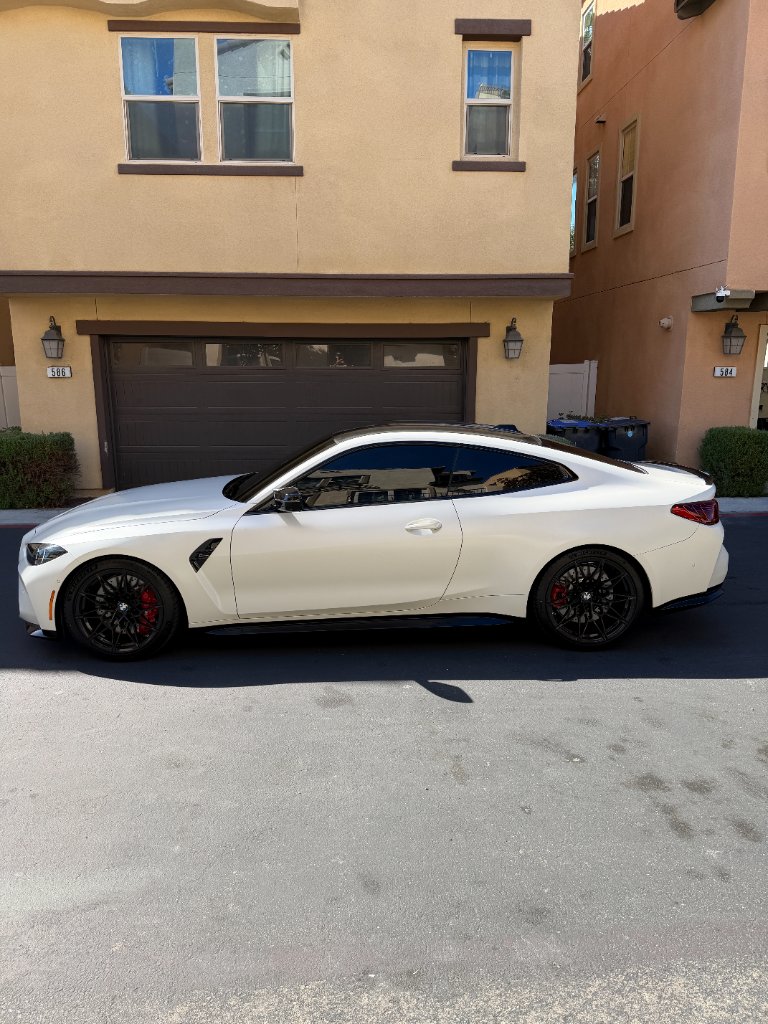
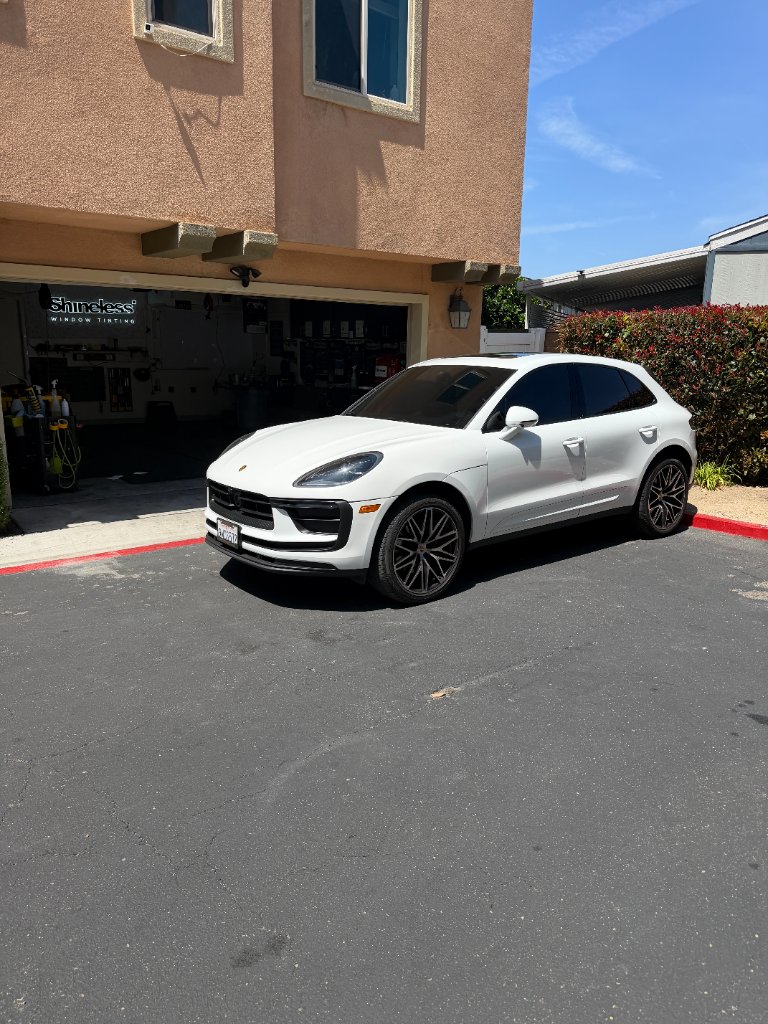
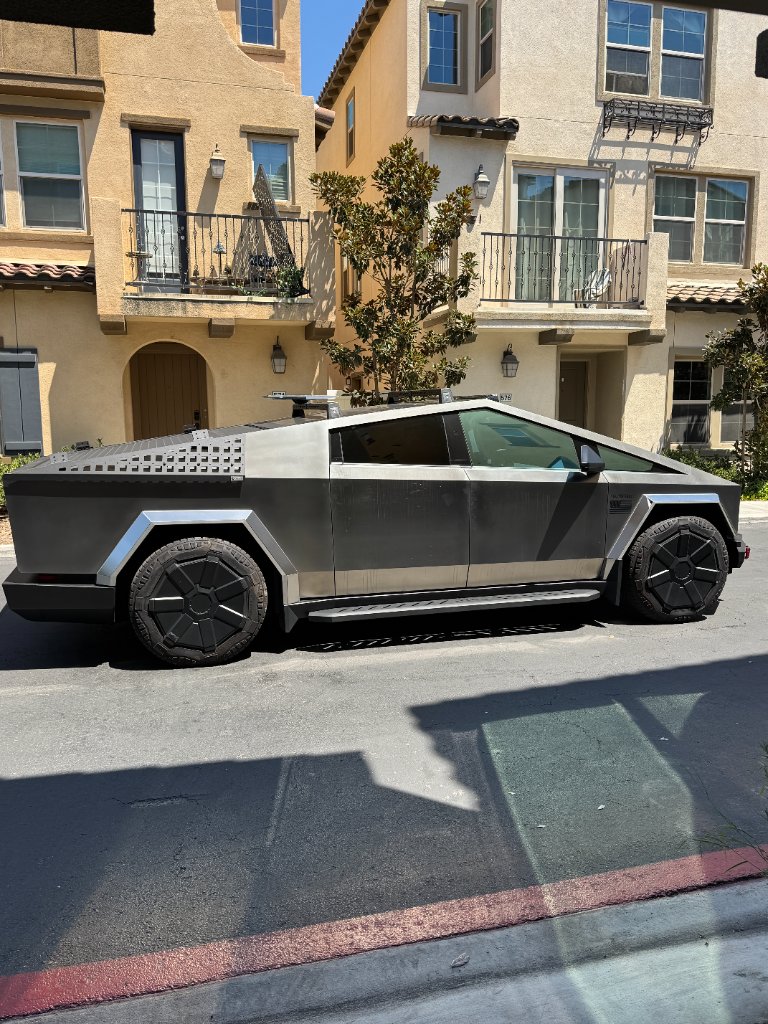
When you pick up a new vehicle from a dealership in Huntington Beach or the surrounding Orange County area, the windows often appear dark right off the lot. Many owners assume this factory treatment provides complete protection from the sun, but this is a common misunderstanding that leads to uncomfortable driving experiences on the I-405 or along the Pacific Coast Highway. Understanding the gap between aesthetic privacy and functional heat rejection is essential for any new vehicle owner who spends time commuting in California. In reality, the dark glass found on the rear windows of many SUVs and trucks is simply factory-dyed privacy glass. It is engineered primarily for visual concealment, not for thermal performance. To achieve genuine protection from the intense California sun, you must distinguish between the look of your windows and the actual solar performance they provide. This guide clarifies why your new car likely needs an aftermarket upgrade, regardless of what the dealer tells you during the purchase process. ## The Difference Between Privacy Glass and Nano-Ceramic Film Factory privacy glass is created by adding pigments to the glass material during the manufacturing process. While this creates a dark, opaque appearance that offers privacy, it does virtually nothing to stop infrared heat or ultraviolet rays from entering your cabin. Because the glass itself is not treated for solar control, it acts as a conductor for heat. Your interior will still feel the thermal impact of the sun, and your skin will remain exposed to harmful UV radiation throughout your commute. In contrast, professional automotive window tint like our premium nano-ceramic lines uses advanced particles that are physically engineered to filter light. These films are non-conductive and non-metallic, designed to reject infrared heat before it passes through the glass. While privacy glass only blocks visible light, ceramic film manages the infrared energy spectrum, keeping your interior cooler and protecting your dashboard, upholstery, and electronics from the degradation caused by solar exposure. ## Exposing the Reality of Dealer-Installed Tint If you have recently shopped for a car at the auto centers in Costa Mesa or Irvine, you have likely been offered a window tint package at the finance desk. These packages are marketed as a convenient add-on, but they are often entry-level dyed films rather than the high-performance products you would receive from a dedicated Tesla window tint specialist. These lower-tier films lack the infrared rejection of true ceramic products and are prone to bubbling, peeling, or turning purple over time due to chemical breakdown. Because dealerships focus on sales volume, their installation process often lacks the meticulous cleaning and precision cutting required for a long-lasting, factory-quality finish. When you choose an aftermarket professional, you are investing in a product backed by a lifetime manufacturer warranty, rather than a temporary dealer accessory that provides little more than a dark shade. ## Why Ceramic Tint is Vital for Orange County Drivers Driving along the coast in Huntington Beach or commuting on the SR-55 involves constant exposure to high glare and intense solar radiation. Ceramic film is the gold standard for these conditions because it provides high heat rejection without the need for dark, opaque shades that compromise visibility. This is critical for maintaining safety, especially when driving at night or in low-light conditions. Our nano-ceramic films are tested to block up to 99% of harmful UV rays, which is a major benefit for anyone concerned about skin health or protecting their vehicle's interior finish. Furthermore, because these films are non-metallic, they ensure zero interference with 5G, GPS, or cellular connectivity. This is particularly important for modern vehicles and EVs that rely on consistent signal strength for complex navigation and integrated driver-assistance systems. ## Layering Film Over Factory Privacy Glass Many SUV and Tesla owners ask if they can add ceramic tint over their already dark factory-tinted rear glass. The answer is yes, and it is a highly recommended upgrade. By applying a high-quality, light, or even clear ceramic film to the interior side of your factory glass, you gain the benefits of infrared heat rejection without making the vehicle darker or riskier to drive. This method allows you to transform the factory privacy glass into a true solar-performance barrier, significantly improving cabin comfort during long drives through the OC. ## Technical Specifications for Informed Decisions When shopping for window film, rely on performance metrics rather than vague claims of darkness. Use this list to compare the film you are quoted against professional industry standards: - Heat Rejection: Premium ceramic films should reject 96% to 99% of infrared heat. - UV Protection: Ensure the film is rated to block 99% of UVA and UVB rays. - Signal Integrity: Insist on non-metallic, non-conductive nano-ceramic construction to avoid interference with vehicle sensors and radios. - Warranty: High-end ceramic film carries a lifetime limited warranty against structural failure such as bubbling, peeling, or significant color fading. - Transparency: A reputable installer will provide the TSER (Total Solar Energy Rejected) specifications for the specific film they are installing, which accounts for the total solar energy performance. ## Comparing Film Types: What is Right for You Understanding the various types of film helps you avoid overpaying for the wrong product. Dyed films are the most budget-friendly, often costing 150 to 250 dollars, but they provide minimal heat rejection and are prone to color instability. Carbon films offer a step up in solar stability and a matte look, but they still fall short of ceramic performance in heat rejection. Professional nano-ceramic film is the superior choice for those who want actual cooling performance, with packages ranging from 350 to 600 dollars for sedans and 450 to 800 dollars for larger SUVs or vehicles with complex panoramic roofs. While the entry cost for ceramic is higher, the long-term value, comfort, and protection make it the most logical choice for a new vehicle. ## Transparency on Limitations and Risks We believe in full transparency. While ceramic window film significantly reduces heat, it cannot make a car immune to the sun on a 100-degree day if parked in direct sunlight for hours. The goal is to provide a cooler, more comfortable cabin and to reduce the workload on your vehicle's air conditioning system during operation. Additionally, remember that California law restricts the darkness of front side windows to a 70% minimum visible light transmission, meaning they must allow 70% of light through. Any shop claiming they can legally go darker on the front windows is not providing accurate information regarding state vehicle code. Always prioritize compliance to avoid unnecessary traffic citations. ## The Convenience of Mobile Installation Taking a brand-new vehicle to a shop and waiting in a lobby is often inconvenient. Our mobile service model in Orange County is designed to respect your time. Whether you are at home in Newport Beach or at your office in Fountain Valley, we bring our climate-controlled, dust-free installation process directly to you. This ensures your vehicle stays in a controlled environment, and you avoid the hassle of drop-off and pick-up logistics. Most professional installs are completed in three hours or less, allowing you to get back to your routine without disruption. ## Book Your Installation Today Your vehicle is a significant investment, and the protection you choose for your glass impacts both your comfort and the longevity of your interior. If you are ready to experience the difference that true nano-ceramic technology provides, we are here to help. We offer professional service across the Orange County area, providing the expertise and convenience you deserve. For questions about your specific vehicle or to schedule an appointment, call or text us at (714) 360-9969. You can view our all services and select your specific model at our booking link: https://shineless.bookings.getclickrez.com/book/vehicle.

Common Questions
Does factory privacy glass provide heat protection?
No, factory privacy glass is designed for visual concealment rather than solar performance. It does little to stop infrared heat or harmful UV rays from entering your vehicle cabin.
Can I put ceramic tint over factory privacy glass?
Yes, adding ceramic tint over your factory privacy glass is a recommended upgrade. It allows you to gain the benefits of infrared heat rejection without significantly changing the darkness of your windows.
What is the California legal tint limit for front windows?
California law requires that front side windows allow at least 70% of light to pass through. Any installation that results in a lower visible light transmission is not compliant with state vehicle code.
Does ceramic window tint interfere with GPS or 5G?
High-quality nano-ceramic films are non-metallic and non-conductive, which ensures there is no interference with your vehicle's electronics, 5G signals, or GPS systems. This makes them an ideal choice for modern vehicles and EVs.
Ready to Protect Your Home?
Free in-home consultations across Huntington Beach, Newport Beach, Seal Beach & Laguna Beach.
(714) 360-9969 — Free EstimateStop UV Damage Before It Starts
Shineless installs premium ceramic window film at your home — no shop visit needed. Serving Huntington Beach, Newport Beach, Seal Beach, Laguna Beach, and all of Orange County.