Glass Polishing and Scratch Removal: The Orange County Expert Guide
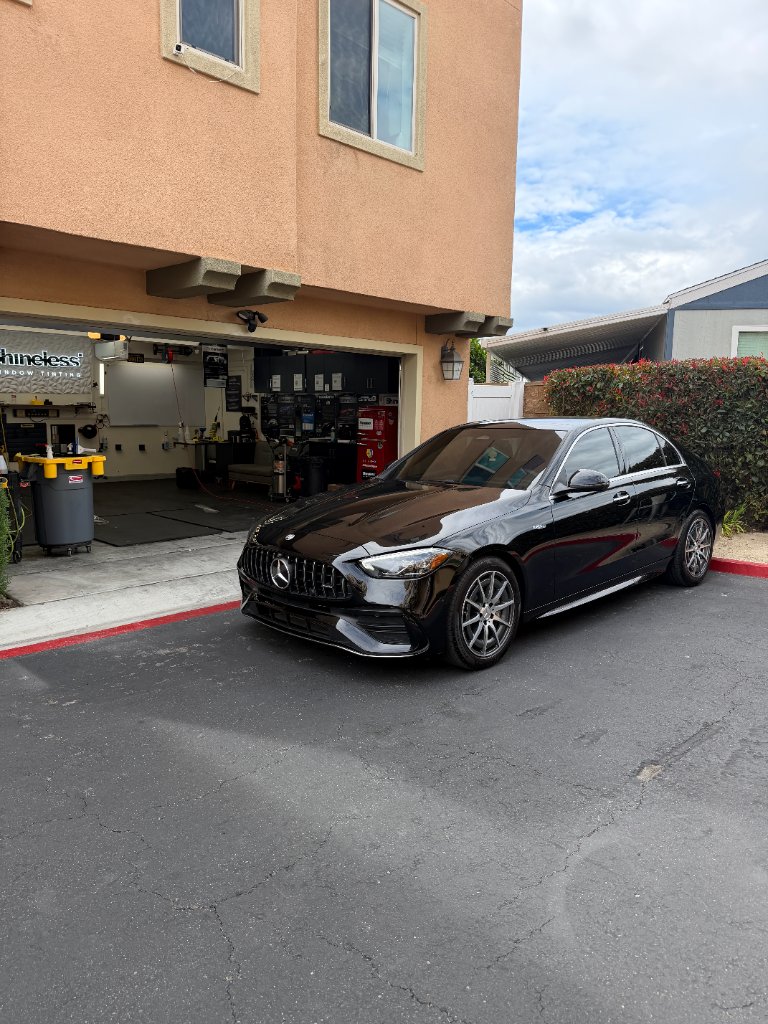
Surface damage on glass is a common reality for property owners and vehicle drivers across Orange County. From wind-blown sand along the Pacific Coast Highway to hard water deposits near sprinkler systems in inland cities like Irvine or Costa Mesa, glass faces constant environmental stress. When scratches appear, the primary diagnostic concern is whether the glass can be polished back to clarity or if the panel is compromised and requires replacement. As a mobile service provider operating since 2016, we often encounter glass that has been neglected or incorrectly treated with abrasive DIY methods. Understanding the technical limitations of glass restoration is critical for protecting your investment, whether it involves an automotive windshield, a marine window, or residential patio sliders. This guide details the diagnostics for glass repair, the risks of improper polishing, and the preventative solutions that keep glass functional in a coastal climate. ## The Fingernail Test and Polishing Limits The most reliable preliminary diagnostic tool for any glass scratch is the fingernail test. If you run your fingernail over the scratch and it catches, the damage has penetrated the surface significantly. Scratches that catch a fingernail generally require professional mechanical polishing or grinding to remove. If a scratch is deep enough to cause a tactile catch, attempting to remove it entirely can create a focal lens effect. By grinding away enough substrate to level the scratch, you risk creating a dip in the glass that acts like a magnifying lens, causing permanent optical distortion. For clear views, especially on automotive windshields, avoiding this distortion is vital for both visibility and safety. ## Why Restoration Must Precede Window Film Many clients ask why we assess the surface condition of glass before installing residential window film or smart film. Glass that is heavily scratched, pitted by salt air, or etched by minerals will not allow for a clean film application. Air pockets will inevitably form around deep scratches, leading to a compromised aesthetic and potential film failure. Furthermore, switchable PDLC privacy glass relies on consistent surface contact to function. Any significant scratch acts as a physical barrier between the adhesive and the glass, causing visual artifacts that ruin the high-tech appearance of the film. Mechanical polishing provides the necessary flat, clean surface for a long-lasting, factory-finished result. ## Insulated Glass Units and the Seal Factor One of the most frequent misconceptions is that condensation or haze between double-pane windows can be polished away. In an Insulated Glass Unit (IGU), the glass panes are hermetically sealed with a gas-filled cavity. If you see fogging, hazing, or internal scratches, the seal has failed. There is no way to access the inner surface of these panes without breaching the seal. Once an IGU seal is broken, the unit loses its thermal efficiency and will continue to accumulate moisture. In these cases, polishing is ineffective, and replacement of the glass unit is the only viable path forward. ## Coastal Challenges in Orange County Living in Huntington Beach, Seal Beach, or surrounding coastal areas exposes glass to unique stressors. Saltwater fog accelerates the oxidation of surface contaminants, often leading to mineral crusting that looks like micro-scratches. These mineral deposits are often mistaken for permanent damage. Before opting for abrasive polishing, we perform a chemical assessment to determine if the issue is etching or simply heavy mineral buildup. Using the wrong abrasive on salt-crusted glass can worsen the damage by grinding those minerals further into the surface. Professional chemical cleaning and de-mineralization are often the correct first steps before considering mechanical restoration. ## Sacrificial Films vs. Mechanical Polishing In commercial settings, particularly storefronts exposed to vandalism, repeated mechanical polishing is rarely a sustainable solution. Removing a scratch involves removing glass; doing this multiple times weakens the integrity of the panel. This is where sacrificial anti-graffiti films become a superior financial and functional choice. These films, typically ranging from 4 to 12 mils in thickness, act as a barrier. When the film is keyed or scratched, we remove the damaged layer and apply a new one. Replacing this film is significantly more cost-effective than sourcing, shipping, and installing new custom storefront glass. ## Essential Restoration Specifications To help you compare professional assessments, keep these standards in mind: - The Fingernail Rule: If a fingernail catches deeply, expect the possibility of focal warping if the scratch is removed via heavy polishing. - The 2.5 Rule: Professional on-site restoration often costs 20% to 30% of the cost of full glass replacement, including labor and material lead times. - Heat Sensitivity: Aggressive mechanical friction generates heat. On tempered glass, this heat can induce spontaneous breakage or surface pitting. - IGU Reality: Any haze or damage located between dual-pane glass cannot be fixed by polishing; the seal is compromised and the unit must be replaced. ## Film Selection: Why Material Matters When we install film, we focus on premium, dye-free, metal-free nano-ceramic options for our automotive window tint and architectural projects. Many alternatives use dyed or carbon films, which can fade, turn purple, or peel over time due to the intense California sun. Metallic films, while effective at heat rejection, often cause signal interference for modern electronics and cellular devices. By utilizing certified Hüper Optik and XPEL products, we provide high infrared heat rejection and zero signal interference. These films not only protect the glass from further degradation but also ensure that your home or vehicle maintains its intended look without the risk of future film failure. ## Limitations and Honest Risk Assessment We believe in transparency. Not every scratch should be polished. If a scratch is structural, meaning it reaches the edge of the glass or suggests a crack propagation risk, polishing could trigger a full fracture. We prioritize safety over a quick fix. If we identify that a glass panel is structurally compromised or has been etched by acid beyond a certain depth, we will advise against restoration. Attempting to restore glass that is past its functional limit is a waste of resources and risks your safety. We recommend professional all services assessment to ensure your glass is a safe candidate for restoration. ## Professional Mobile Service We provide mobile glass assessment and window film installation across Orange County, from the coast to the inland cities. Whether you are driving a vehicle that needs windshield tint to block heat, or you are managing a commercial property, our team comes directly to your location. Most projects are completed in three hours or less. To schedule your on-site assessment or to speak with a technician about your glass concerns, call or text us at (714) 360-9969. You can also book your appointment directly at https://shineless.bookings.getclickrez.com/book/vehicle.


Common Questions
Can I remove a deep scratch from my window by polishing it?
If your fingernail catches on the scratch, it is likely too deep to remove without creating optical distortion. Polishing deep scratches requires removing enough glass to level the surface, which can create a focal lens effect and permanent distortion.
How do I know if my double-pane window haze can be repaired?
If the haze or fogging is located between the two panes of glass in an Insulated Glass Unit, it cannot be polished away. This indicates a failed seal, and the entire glass unit must be replaced to restore thermal efficiency.
Why does my glass have mineral deposits that look like scratches?
Living in coastal areas like Huntington Beach or Seal Beach exposes glass to saltwater fog that accelerates mineral crusting. These deposits are often mistaken for permanent scratches, but they can sometimes be removed through chemical cleaning rather than abrasive polishing.
Is it worth it to polish glass instead of replacing it?
Professional on-site glass restoration often costs between 20% and 30% of the price of a full glass replacement. However, you should only proceed if the glass is not structurally compromised, as polishing a damaged panel can trigger a fracture.
Ready to Protect Your Home?
Free in-home consultations across Huntington Beach, Newport Beach, Seal Beach & Laguna Beach.
(714) 360-9969 — Free EstimateStop UV Damage Before It Starts
Shineless installs premium ceramic window film at your home — no shop visit needed. Serving Huntington Beach, Newport Beach, Seal Beach, Laguna Beach, and all of Orange County.