Parked in the Sun: The Science of Interior Heat in Huntington Beach
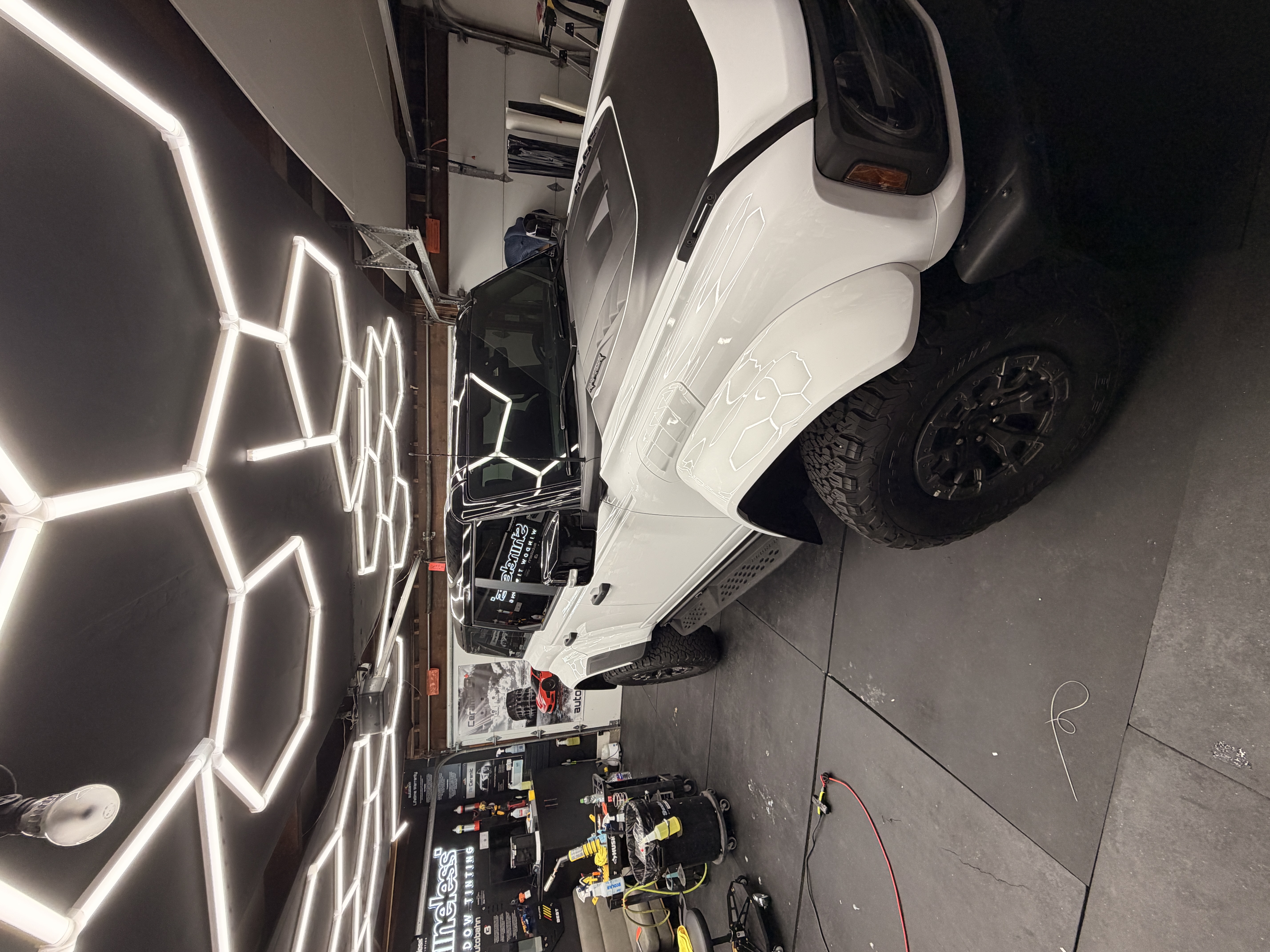
If you have ever reached for your steering wheel on a sunny afternoon in Huntington Beach only to pull your hand back in a reflex, you know the frustration of solar radiation. Even when the ambient air temperature is a comfortable 80 degrees, a vehicle parked in a lot along the Pacific Coast Highway can transform into an oven within minutes. It is a common misconception that window film acts as an air conditioner for your car, but the reality is grounded in the physics of thermal energy and light absorption. At Shineless Window Tinting, we believe in providing honest expectations for every customer. Whether you are driving a glass-roof Tesla through the streets of Orange County or a daily commuter parked at Huntington City Beach, understanding how your vehicle absorbs heat is the first step toward effective interior protection. Here is how solar energy interacts with your vehicle and how professional-grade ceramic film changes the equation. ## The Physics of Heat Gain: Air vs. Surface Temperature To understand why your interior gets so hot, you must distinguish between the temperature of the cabin air and the temperature of the solid surfaces within your car. When sunlight passes through your glass, it strikes your dashboard, steering wheel, and seats. These materials absorb short-wave solar radiation and re-emit it as long-wave thermal energy—essentially trapping the heat inside the cabin. While your dashboard might reach 170 degrees or higher due to this direct radiant absorption, the air temperature in the car may be lower. This is why you can cool the air down quickly by cranking your HVAC, but the steering wheel, plastic trim, and leather remain hot to the touch. The goal of high-quality automotive window tint is to reduce the amount of solar radiation that reaches these surfaces in the first place, effectively flattening the curve of heat gain rather than cooling the air itself. By minimizing the solar energy absorbed by interior materials, you prevent the re-emission of heat that sustains high cabin temperatures. This makes a measurable difference in how your car recovers from the sun exposure once you start the ignition. ## Why Ceramic Tint Is Not a Magic Wand No window film can prevent a vehicle from warming up when it is parked for four to six hours in an unshaded asphalt lot under the California sun. If you leave your car exposed, the heat will eventually soak through. However, premium nano-ceramic film significantly slows this process. By rejecting a substantial percentage of infrared heat, professional films ensure your cabin takes much longer to reach those extreme temperatures, and more importantly, they keep the surface temperatures of your dash and touchscreens manageable. For owners of modern vehicles, particularly those with expansive glass roofs like the Tesla Model 3 or Rivian, this protection is critical. Modern infotainment screens and adhesive dash mounts are susceptible to bonding degradation and screen failure when exposed to persistent, extreme solar intensity. Ceramic film creates a necessary barrier that guards your technology against the very real dangers of coastal heat. By filtering out these specific wavelengths, you extend the lifespan of your vehicle interior components. ## Understanding Solar Performance Metrics When comparing tint quotes, you will encounter various technical terms. It is important to focus on the following industry standards to determine the effectiveness of a film: - Ultraviolet (UV) Rejection: High-performance films block 99% of UV radiation, the primary cause of material fading, leather cracking, and plastic brittleness. - Infrared (IR) Rejection: This measures the blocking of invisible solar heat rays. Premium ceramic films offer high IR rejection ratings, which are the primary indicator of comfort when driving under direct sunlight. - Total Solar Energy Rejection (TSER): This is the most comprehensive metric, representing the percentage of total solar energy that is blocked. Quality nano-ceramic films, even at legal 70% VLT levels, offer high TSER ratings that outperform standard dyed or metallic films. - Visible Light Transmission (VLT): California Vehicle Code §26708 limits aftermarket front-side glass to 70% VLT. We prioritize clear, high-IR ceramic film to ensure you remain legal while maximizing heat rejection. ## Comparing Film Technologies Not all tint is created equal. Understanding the difference between types of film helps you avoid paying for performance you are not receiving: - Dyed Film: Often used for appearance only. It offers minimal heat rejection and can fade or turn purple over time in the intense Orange County sun. - Metallic Film: Effective at heat rejection but can interfere with cell signals, GPS, and radio reception in modern vehicles. - Carbon Film: A step up from dyed, but lacks the high-end IR rejection of ceramic options. - Nano-Ceramic Film: The gold standard for modern drivers. It provides the highest heat and UV rejection without metal, meaning zero signal interference, and maintains absolute clarity at night without the haze found in lower-quality products. ## The Role of Co-Dependent Summer Habits Even the best window film works best when paired with smart habits. To truly manage cabin heat in an Orange County summer, consider these steps: - Use a high-quality, reflective windshield sunshade whenever you park for an extended period. This directly shields the dashboard from direct solar radiation. - Crack your windows slightly to allow for hot air convection. - Use the ventilation function on your vehicle’s climate control system before you enter, or turn your AC to 'recirculate' mode for the first few minutes of your drive to flush out the superheated air. - If you have windshield tint installed using a clear, high-IR film, ensure it is applied by professionals to maintain legal compliance and visibility. ## Limitations and Reality Checks We are transparent about the fact that no window film makes a parked car 'ice-box cold.' If you park in a direct-sun spot at the beach for an entire afternoon, the cabin will still be warm. The film is doing its job by preventing the interior surfaces from reaching the extreme temperatures that cause damage, and it allows your AC to reach a comfortable temperature significantly faster once you return. Always beware of claims that guarantee specific, low cabin temperatures in parked vehicles; these are rarely grounded in reality. The effectiveness of any film is also dependent on the angle of the sun, the length of exposure, and the insulation properties of the vehicle itself. ## Expert Installation and Service At Shineless Window Tinting, we serve the entire Orange County area with a fully mobile service. We come to your home or office, ensuring your vehicle receives a professional, dust-free installation in three hours or less. We are certified dealers of Hüper Optik and XPEL, offering films that are guaranteed to last for the life of your ownership. With no metal content and no haze, our ceramic films provide the clarity you need for safe night driving alongside the heat rejection required for harsh summer days. If you want to protect your investment and improve your comfort, we are ready to help. Want a free quote? Tap here: https://shinelesswindowtinting.com/#contact-form. For direct booking of your installation, visit our site here: https://shineless.bookings.getclickrez.com/book/vehicle or call or text us at (714) 360-9969.
Common Questions
Does car window tint keep the inside of my car cool when parked?
No window film can keep a car cool if it is parked in direct sunlight for an extended period. The film helps by rejecting solar energy and slowing the rate of heat gain, which prevents interior surfaces from reaching extreme temperatures and allows the air conditioning to cool the cabin faster once you return.
What is the benefit of using nano-ceramic window film?
Nano-ceramic film is highly effective because it rejects infrared heat rays without the use of metal. This provides superior heat rejection compared to dyed or carbon films, while ensuring your car's cell, GPS, and radio signals remain free from interference.
Is it legal to tint my front side windows in California?
California Vehicle Code section 26708 limits aftermarket front-side window tint to a minimum of 70% visible light transmission. Professionals prioritize high-IR ceramic films at this transparency level to help you remain compliant with the law while still benefiting from heat rejection.
How does tinting protect my car dashboard and interior?
High-performance films block 99% of UV radiation, which is the primary cause of leather cracking and plastic brittleness. By reducing the solar energy absorbed by your dashboard, the film also helps prevent the bonding degradation often caused by persistent, extreme heat.
Ready to Protect Your Home?
Free in-home consultations across Huntington Beach, Newport Beach, Seal Beach & Laguna Beach.
(714) 360-9969 — Free EstimateStop UV Damage Before It Starts
Shineless installs premium ceramic window film at your home — no shop visit needed. Serving Huntington Beach, Newport Beach, Seal Beach, Laguna Beach, and all of Orange County.