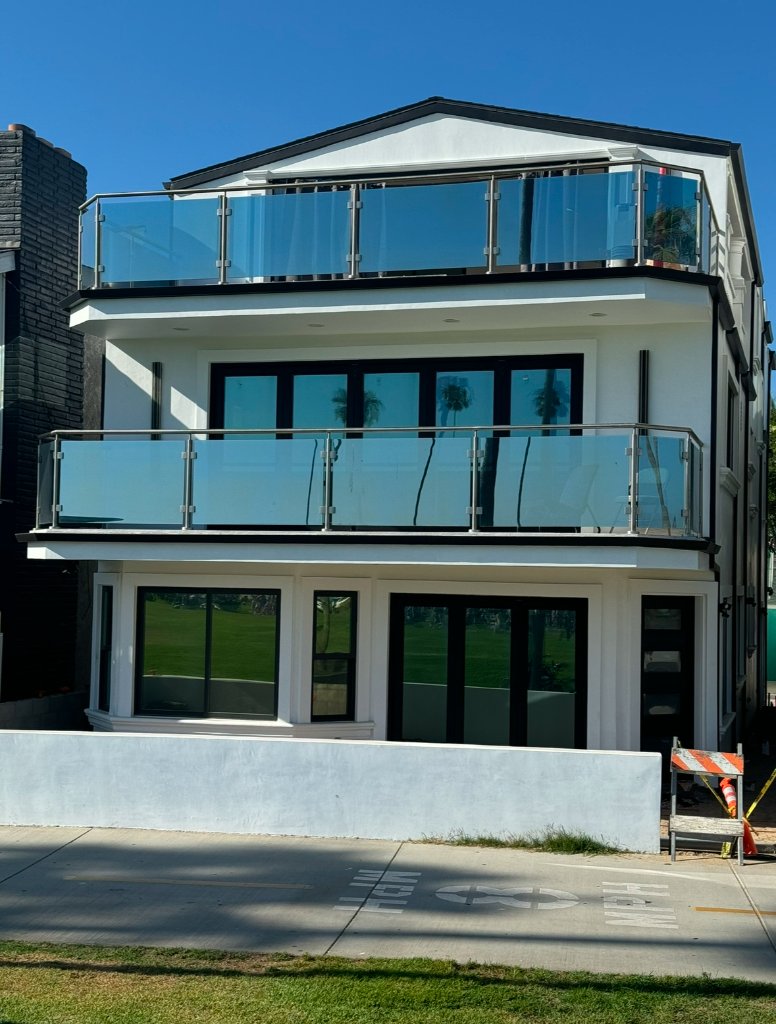
What You Actually Notice After the Film Goes On: The Day-One Reality of Home Window Tinting
Many homeowners approach window film as a purely technical purchase, focusing heavily on manufacturer specifications and performance percentages. While these numbers are critical for choosing the right product, they tell you almost nothing about what it actually feels like to live in a room once the installation is complete. The transition from a space that requires closed blinds to one that offers a tempered, airy, and comfortable environment is the real value proposition of professional-grade solar control. In coastal cities like Huntington Beach, where harsh, low-angle afternoon sun and reflective marine glare can create significant heat gain in a living room by mid-afternoon, the immediate relief is noticeable. It is about the ability to manage thermal comfort while preserving your white oak floors and linen furniture, and reducing the workload on your HVAC system during peak Southern California Edison usage hours. ## The Immediate Afternoon Transformation The most noticeable change occurs the very afternoon the film is installed. In a home with west-facing glass, the late-day sun often forces families to retreat from the living area to avoid the intense heat and blinding glare. With high-performance nano-ceramic film applied, that same room undergoes a quiet transformation. The radiant heat that previously elevated the interior air temperature and baked surfaces is significantly reduced. You will likely find that you no longer need to rely on heavy drapery or plantation shutters to block the sun, meaning your home feels brighter and more connected to the outdoors, despite the glass being treated. ## Understanding the Curing Window It is important to be realistic about the immediate post-installation period. Unlike a car windshield, which is usually dry within 24 hours, architectural glass uses thicker films and different mounting solutions that require a longer evaporation cycle. Do not be concerned if you see slight haze, small water pockets, or a slightly milky appearance on the glass for the first 30 to 60 days. This is a normal part of the curing process as the residual moisture evaporates through the microscopic pores of the film. Depending on your home’s glass orientation and the local humidity of the Orange County coast, this settling period can take a few weeks or up to two months before the clarity is perfectly crisp. ## The Reality of Nighttime Privacy One of the most frequent misconceptions involves nighttime privacy. Solar control film is engineered to provide privacy by leveraging the difference in light intensity between the interior and exterior. During the day, the film acts as a one-way mirror because it is brighter outside than inside. However, when the sun sets and you switch on your interior lights, the physics shift. Once the interior of your home is brighter than the outdoors, the film becomes transparent from the outside looking in. While it still rejects heat, it does not function as a blackout shade or a shield against being seen at night. If total privacy is your primary goal, you may still need light-filtering shades for evening hours. ## Protecting Your Interiors Without Hiding Them If you have invested in bleached white oak floors, leather upholstery, or high-end coastal furniture, you are likely already aware of the fading caused by relentless sun exposure. The primary sensory benefit here is long-term: you minimize the rate at which the sun damages your belongings. By blocking up to 99% of UVA and UVB radiation, the film acts as a long-term deterrent against the dry, brittle textures that develop on leather and the yellowing or bleaching of hardwood surfaces. You get to keep your view, but you significantly slow the rate of sun-induced damage. ## Key Performance Specifications When comparing products for your home, look for these standard benchmarks. These figures define the functional capability of the residential window film we install: - Ultraviolet Rejection: Up to 99% protection against UVA and UVB rays. - Total Solar Energy Rejected (TSER): High-performance films typically reject between 50% and 80% of incoming solar heat. - Cooling Efficiency: Potential reduction in peak summer cooling loads by 10% to 25%, depending on glass type, window orientation, and insulation factors. - Investment Range: Standard solar films generally run $5 to $10 per square foot, while premium nano-ceramic options range from $11 to $16+ per square foot. - Warranty: Lifetime manufacturer coverage on the film, reflecting a functional lifespan of approximately 25 years. ## Comparing Film Technologies Not all films are created equal. Understanding the differences helps you see why the investment in high-end ceramic matters for a coastal home: - Dyed Films: These are the entry-level option, providing shade by absorbing heat. They are prone to fading and turning purple over time, and they offer minimal heat rejection. - Carbon Films: A step up from dyed, these offer better color stability but still rely on material density rather than advanced infrared rejection technology. - Nano-Ceramic Films: These are the industry standard for high-end residential use. Because they are dye-free and metal-free, they do not fade, they do not cause signal interference with your Wi-Fi or cellular devices, and they provide exceptional clarity without the fogginess often found in cheaper products. We specialize in these premium films because they hold up to the specific demands of the Southern California climate. ## Limitations and Honest Expectations We believe in full transparency regarding what film can and cannot do. First, film is not a blackout solution. If your priority is absolute darkness for a media room or sleep sanctuary, window film is not the correct tool; you need blackout curtains or specialized blinds. Second, if you have dual-pane windows, the film selection must be handled with care to ensure the heat absorption does not lead to thermal stress. We verify all glazing types before installation to ensure the film is safe for your specific windows. Finally, while the reduction in glare is profound, it does not eliminate all reflections, particularly when the sun is hitting the glass at an extreme angle. If you have more questions about our all services or how these technologies apply to your specific home, we are here to help. For automotive needs, check our automotive window tint page or view our Tesla window tint options. Want a free quote? Tap here: https://shinelesswindowtinting.com/#contact-form. For mobile automotive booking, visit: https://shineless.bookings.getclickrez.com/book/vehicle. You can also reach us by calling or texting (714) 360-9969.

Common Questions
How long does it take for window film to dry and look clear?
The curing process typically takes between 30 to 60 days as residual moisture evaporates. During this time, you might notice slight haze or small water pockets, which are normal parts of the settling process.
Does home window tint provide privacy at night?
No, window film does not provide privacy at night once your interior lights are turned on. Because the film relies on the difference in light intensity, it becomes transparent from the outside once the home interior is brighter than the outdoors.
Will residential window film stop my furniture from fading?
The film acts as a sunscreen that blocks up to 99% of UVA and UVB rays, which are the primary causes of sun damage. While it cannot stop fading entirely, it significantly slows the rate at which leather, wood, and upholstery degrade from sun exposure.
Is nano-ceramic film safe for my dual-pane windows?
We verify your specific glazing type before any installation to prevent thermal stress. While film selection must be handled with care on dual-pane windows, professional assessment ensures the chosen product is safe for your glass.
Ready to Protect Your Home?
Free in-home consultations across Huntington Beach, Newport Beach, Seal Beach & Laguna Beach.
(714) 360-9969 — Free EstimateStop UV Damage Before It Starts
Shineless installs premium ceramic window film at your home — no shop visit needed. Serving Huntington Beach, Newport Beach, Seal Beach, Laguna Beach, and all of Orange County.