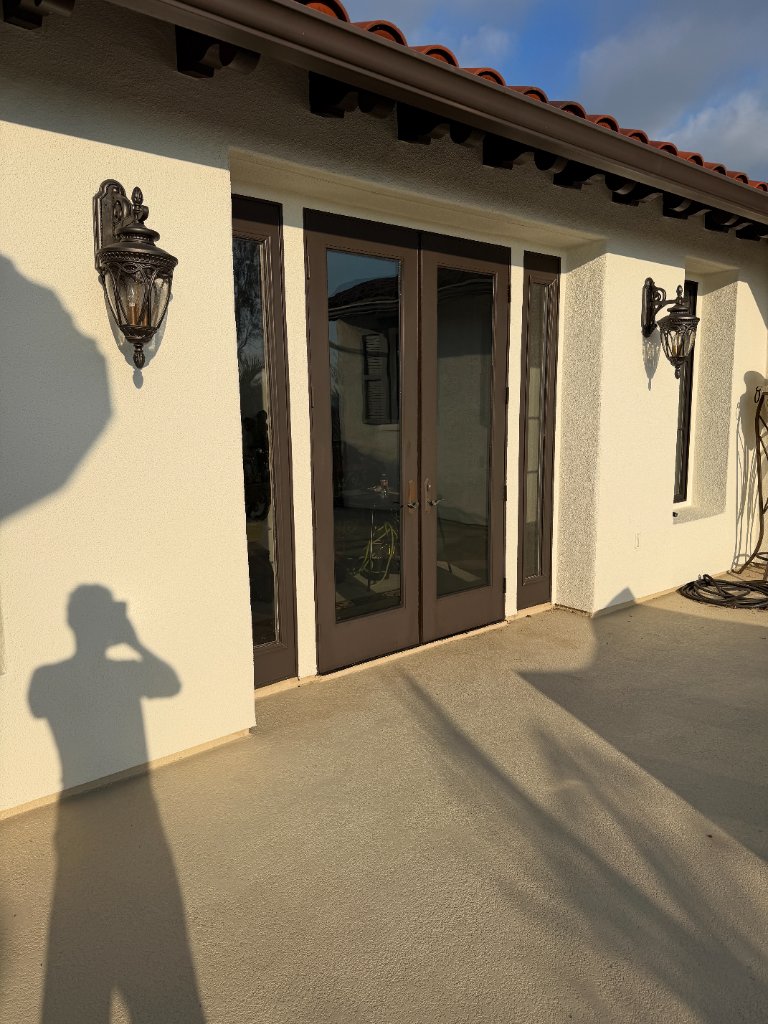
The Three Benefits That Matter: Privacy, UV Fade Defense & Solar Heat Rejection for OC Homes
Your home is your sanctuary, but the intense Orange County sun can turn a beautiful living space into an overheated environment. Whether you are dealing with low-angle glare reflecting off the Pacific in Huntington Beach or the intense heat spikes brought on by Santa Ana winds, untreated glass is often the primary weakness in your home thermal envelope. According to the U.S. Department of Energy, windows are responsible for a significant portion of residential heating and cooling energy use. Many homeowners settle for heavy curtains or blinds that block the view rather than addressing the heat at the glass level. Professional window film offers a solution by addressing three factors that impact daily comfort: solar heat rejection, UV fading, and visual privacy. Unlike temporary fixes, modern architectural films work to regulate temperatures and protect interior assets. Understanding the differences between these technologies is the first step toward improving your home environment. ## Solar Control vs. Privacy Film: What is the Difference? It is a common misconception that all window films perform the same tasks. Solar control film is engineered to manage energy from the sun, specifically infrared rays, visible light, and ultraviolet radiation. Its primary function is to reduce heat buildup and glare while maintaining a clear view. Privacy film is designed to limit the amount of visible light entering or exiting the home, often through a frosted, decorative, or reflective finish. You do not need to choose between them; modern hybrid films can offer high-performance heat rejection while providing a tint level that keeps neighbors from seeing inside. Whether you need an unobtrusive film that stops heat or a frosted layer that provides seclusion, residential window film can be customized to your specific needs. ## Debunking the Myth: Heat Rejection Does Not Require Dark Glass Many homeowners believe that to stop solar heat, they must cover their windows with dark or heavy mirror-like tints. This is an outdated concept. Thanks to advancements in nano-ceramic technology, we can achieve significant thermal performance using spectrally selective films that remain nearly clear. These films are engineered to filter out the infrared wavelengths that carry heat while allowing the majority of natural, visible light to pass through. You can keep your west-facing living room comfortable during peak afternoon heat spikes without turning your home into a dark space. Visible Light Transmission (VLT) is a separate choice from heat performance; you can select a lighter tint for clarity or a darker tint for glare reduction, both while maintaining effective heat rejection. ## The Real Numbers: Specifications That Matter When shopping for window film, it is essential to focus on technical data. These metrics dictate performance in the California climate. As a certified dealer of Hüper Optik and XPEL, we prioritize films that deliver consistent results. When evaluating products, consider these benchmarks: - Total Solar Energy Rejected (TSER): This measures the percentage of total solar energy excluded by the glass. High-quality architectural films typically offer up to 60% to 70% TSER. - Infrared (IR) Rejection: This measures the heat you feel on your skin. Modern ceramic films provide up to 97% to 99% IR rejection, which is effective for reducing interior temperature spikes. - Ultraviolet (UV) Rejection: Professional films block up to 99% of UV radiation, preventing the fading of hardwood floors, carpets, and furniture. - Visible Light Transmission (VLT): This allows you to choose your desired darkness, ranging from nearly clear (70% VLT) to darker options (15% to 35% VLT) for extra glare control. ## Understanding Privacy: Daytime vs. Nighttime Daytime privacy is achieved with reflective or dual-reflective window films. These allow you to see out clearly while creating a mirrored effect on the exterior, preventing people from seeing inside during daylight hours. However, privacy film is physics-dependent. Once the sun goes down and you turn on your interior lights, the lighting balance shifts. If the inside of your home is brighter than the outside, the film’s effectiveness for one-way privacy diminishes. If you need complete seclusion at night, window treatments remain a necessary supplement. For bathroom or street-level windows where you want total privacy, we recommend frosted or decorative films that obscure vision from both sides regardless of lighting. ## Fading Protection: Keeping Your Interiors New UV rays are a primary driver of fading for interior assets. Whether it is luxury wood flooring or custom window treatments, prolonged exposure to the sun breaks down dyes and materials over time. By installing a film that rejects 99% of UV radiation, you are effectively applying a layer of protection to your windows. This is a practical investment for homes with extensive natural light, as it extends the lifespan of interior materials. ## Comparing Technologies: What to Watch For Not all window film is created equal, and the technology you choose will directly impact your experience. - Dyed Films: These rely on color to absorb heat. They are prone to fading and losing performance over time. - Metallic Films: These perform well at reflecting heat but can interfere with cell signals and GPS, and they may be susceptible to corrosion in coastal environments due to salt air. - Nano-Ceramic Films: This is our standard. These are dye-free and metal-free, providing performance in heat rejection and optical clarity without signal interference. We emphasize the use of premium films because they offer manufacturer warranties that reflect the expected longevity of the product. ## Cost and Installation Transparency We understand that homeowners want to know the cost upfront. Residential window tinting in Orange County is not a one price fits all service. The final quote depends on variables including the type of glass, the accessibility of the windows, the size of the glass surface area, and the specific technology of the film selected. As a mobile service, we come to your location to measure and provide an accurate assessment. Because we are experts in all services related to window film, we prioritize clear communication regarding what each product can and cannot do for your specific architecture. ## Limitations to Consider Honesty is our policy, and that includes admitting the limitations of our products. While window film is a tool for heat and UV control, it cannot fix poor-quality or failing dual-pane windows that have already lost their factory seal. Additionally, it is vital to avoid hardware-store films, which are often fragile and can lead to glass stress if installed incorrectly. We specialize in precision installation, ensuring that the film is properly fitted to the glass to prevent bubbling, peeling, or haze. Our focus is on providing a long-term solution that adds value to your home. If you are ready to take control of the climate in your living space and protect your home from UV damage, we are here to help. We provide mobile service across Orange County and can typically complete most residential installations in a few hours. To get started with a professional assessment and a free quote, call or text us at (714) 360-9969. Want a free quote? Tap here: https://shinelesswindowtinting.com/#contact-form. For automotive needs, you can book directly online here: https://shineless.bookings.getclickrez.com/book/vehicle
Common Questions
Can window film stop my hardwood floors from fading?
Yes. Professional window films are designed to block up to 99% of harmful ultraviolet radiation. This acts as a protective shield for your interior materials, including hardwood floors, carpets, and artwork.
Will dark window film stop more heat than clear film?
Not necessarily. Modern nano-ceramic technology allows clear or lightly tinted films to provide high levels of heat rejection by filtering infrared rays. You do not need to choose a dark tint to achieve effective thermal performance.
Does privacy window film work at night?
Privacy films rely on light balance to function. While reflective films offer excellent privacy during the day, their effectiveness diminishes at night when your interior lights are on, so additional window treatments may be required for nighttime seclusion.
Does window tinting interfere with cell phone reception?
It depends on the technology used. Metallic films can cause signal interference, which is why we specialize in nano-ceramic films. These are metal-free and provide heat rejection without impacting your cell signal or GPS.
Ready to Protect Your Home?
Free in-home consultations across Huntington Beach, Newport Beach, Seal Beach & Laguna Beach.
(714) 360-9969 — Free EstimateStop UV Damage Before It Starts
Shineless installs premium ceramic window film at your home — no shop visit needed. Serving Huntington Beach, Newport Beach, Seal Beach, Laguna Beach, and all of Orange County.