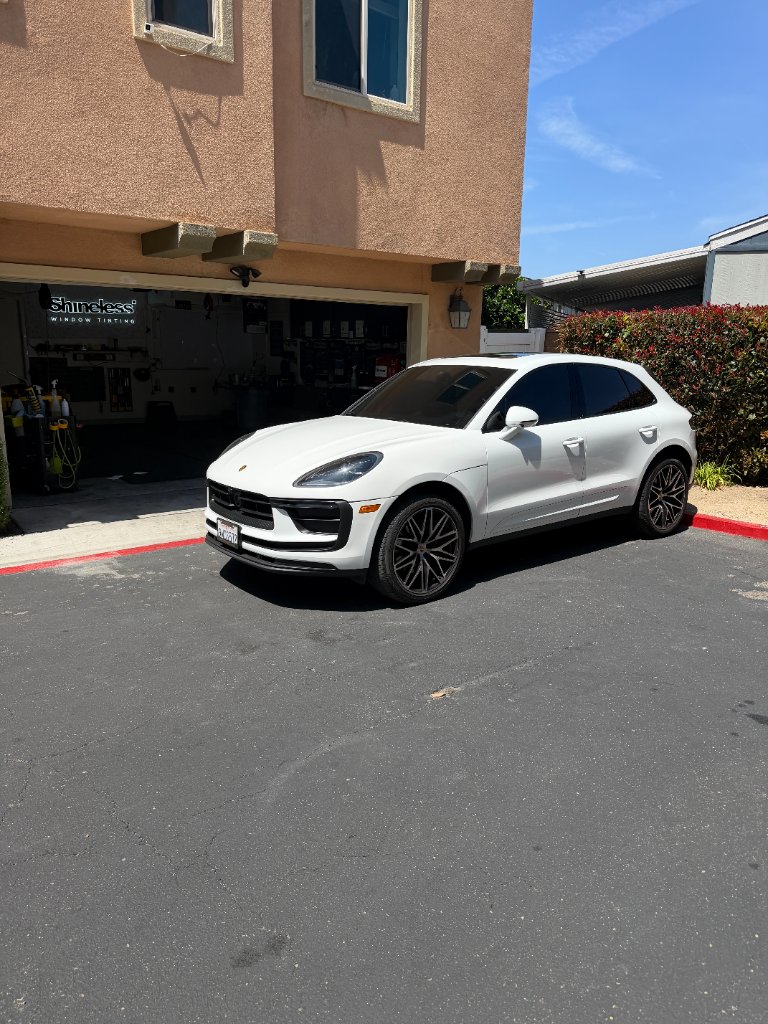
Tinting a Leased Vehicle in Orange County: What to Know Before Installation Day
Many drivers in Orange County assume that modifying a leased vehicle is a one-way ticket to a lease-end penalty. While the terms of your specific lease agreement are the final word on what you can do with your vehicle, the reality of window tinting is often more flexible than dealership lore suggests. As long as the modification is professional, legal, and preserves the structural integrity of the factory glass, it is frequently viewed as an enhancement rather than a violation. Since 2016, our team has helped local drivers balance their desire for a cooler cabin and UV protection with the requirements of captive finance companies like Tesla Finance, BMW Financial, and Audi Financial. Whether you are driving a Tesla Model Y down Pacific Coast Highway or a luxury sedan through the streets of Irvine, understanding how to approach window film installation ensures you avoid any headaches during your final lease-end inspection. ## California Legal Standards and Lease Inspections The most important factor when tinting a leased vehicle is ensuring the work complies with state law. California Vehicle Code Section 26708 is explicit: your front side windows must allow at least 70 percent Visible Light Transmission (VLT). Because most factory glass already blocks some light, adding film to the front windows requires careful measurement to remain within this threshold. If you apply a film that drops your total VLT below 70 percent, you risk a fix-it ticket, and the dealership may require you to pay for professional removal at the end of the lease. For rear side windows and the back window, California law is much more flexible. You can use any level of darkness, including limo-style 5 percent VLT, provided your vehicle has functional dual side mirrors. At Shineless Window Tinting, we prioritize these legal limits to ensure your vehicle complies with local regulations. ## Protecting Your Investment and Your Lease There is a common misconception that window tinting will ruin defroster lines or rear antenna grids, especially in tech-heavy vehicles like the Tesla Model 3 or Model Y. When you choose a professional installer, the risk to these components is effectively managed. We use specialized, low-moisture cleaning solutions and precise cutting techniques that protect the delicate heating elements on your rear glass. This ensures that when your lease concludes, the windows function as they should. Some finance companies or dealerships may suggest that any aftermarket film is a violation of the lease contract. In practice, most dealerships prefer vehicles with high-quality, non-fading automotive window tint because it keeps the interior plastics and upholstery in better condition. A well-maintained interior often results in a higher trade-in or resale value, which is beneficial to both the lessor and the lessee. ## Ceramic vs. Traditional Film: What You Need to Know Not all window film is created equal. Understanding the difference between entry-level films and the high-performance products we use is essential. Many shops utilize dyed or carbon-based films that are inexpensive but prone to turning purple or bubbling over time. If a low-quality film bubbles on your leased vehicle, you will likely be charged for removal and glass cleaning at the end of the term. We exclusively install premium dye-free, metal-free nano-ceramic film. Because it contains no metal, it causes zero signal interference for your GPS, cellular, or radio reception, which is a critical feature for modern electric vehicles. Our films block up to 99 percent of harmful UV rays and between 95 and 97 percent of infrared heat. This level of protection prevents the rapid degradation of leather and synthetic interiors, keeping your car looking new for the duration of your lease. ## The Mobile Advantage in Orange County Coastal driving in Huntington Beach, Newport Beach, and surrounding areas involves significant exposure to the sun. Traditional brick-and-mortar shops often require you to drop off your vehicle for a full day, disrupting your schedule. Our mobile service model allows us to bring a shop-grade, dust-controlled environment directly to your driveway or office. By controlling the immediate installation area, we reduce the contaminants that typically cause bubbles or debris under the film. Whether you are working in an office in Costa Mesa or spending the day at home in Fountain Valley, our typical installation time is three hours or less. You get professional quality without the inconvenience of drop-offs and pick-ups. ## Specifics for Lease Return and Removal If you are nearing the end of your lease and need your tint removed, the cost in the Orange County market typically ranges from 50 to 200 dollars. This price depends heavily on the condition of the film and whether the rear window contains sensitive defroster grids. Cheap dyed films are often difficult to remove, as they tend to delaminate and leave thick adhesive residue on the glass. Our professional ceramic films are designed for cleaner removal, which helps keep your final removal costs on the lower end of that spectrum. When inspecting your car, remember the following specifications: - Front side windows: Must maintain 70 percent VLT combined with glass. - Rear side and back windows: Any darkness permitted. - Infrared heat rejection: Up to 97 percent with our premium ceramic packages. - UV protection: Up to 99 percent for all ceramic films. - Installation time: Generally under 3 hours for a full-vehicle package. - Full ceramic package cost: Typically ranges from 400 to 650 dollars based on vehicle size. ## Honesty Regarding Risks and Limitations We believe in full transparency. While professional installation is highly effective, it is not immune to all risks. If a vehicle has existing scratches or damage on the interior of the glass, the film may highlight these imperfections. Additionally, while our ceramic films are durable, they can still be scratched by sharp objects or heavy seatbelt impacts against the glass. Furthermore, while we work diligently to ensure compliance, we always advise clients to keep a copy of their receipt and the film specifications in their glovebox. If a dealership representative questions the tint, having documentation that the film is a high-grade, legal ceramic product can often resolve concerns immediately. ## Why Ceramic Tint Is Worth the Investment Some lessees ask if it is worth paying for ceramic tint when they only intend to keep the car for three years. The value proposition is twofold: immediate comfort and long-term condition. The intense glare along the PCH is exhausting, and the heat buildup in a parked car can cause significant strain on your climate control system. By rejecting heat effectively, you reduce the workload on your battery, especially in electric vehicles. Combined with the preservation of your interior condition, ceramic tint is an investment in your daily quality of life during your lease. For more information on our specific Tesla window tint packages or our all services, we are available to answer your questions and help you decide the right level of protection for your vehicle. Our certified technicians have the experience to ensure your installation is performed correctly. Ready to get started? To schedule your mobile installation in Huntington Beach or anywhere in Orange County, call or text us at (714) 360-9969 or book directly at https://shineless.bookings.getclickrez.com/book/vehicle.
Common Questions
Is window tinting legal on leased cars in California?
Yes, but it must comply with California Vehicle Code section 26708. Front side windows must maintain at least 70 percent VLT, while rear and back windows have no restrictions on darkness.
Will window tinting damage the defroster on my leased car?
Professional installers use non-ammonia solutions and specialized cutting techniques to avoid damaging rear defroster lines or antenna grids. Choosing a professional ensures the integrity of factory equipment remains intact for your lease return.
Does ceramic window tint interfere with Tesla electronics?
Our ceramic films are dye-free and metal-free, which prevents any signal interference with GPS, cellular, or radio reception. This makes them a safe and effective choice for modern electric vehicles.
How much does it cost to remove tint from a leased vehicle?
Removal costs in Orange County typically range from 50 to 200 dollars depending on the film type and glass condition. Premium ceramic films are easier to remove than lower-quality dyed films, which helps minimize potential removal costs.
Ready to Protect Your Home?
Free in-home consultations across Huntington Beach, Newport Beach, Seal Beach & Laguna Beach.
(714) 360-9969 — Free EstimateStop UV Damage Before It Starts
Shineless installs premium ceramic window film at your home — no shop visit needed. Serving Huntington Beach, Newport Beach, Seal Beach, Laguna Beach, and all of Orange County.