Will My Window Tint Fade or Bubble? The Real Science Behind Film Failure
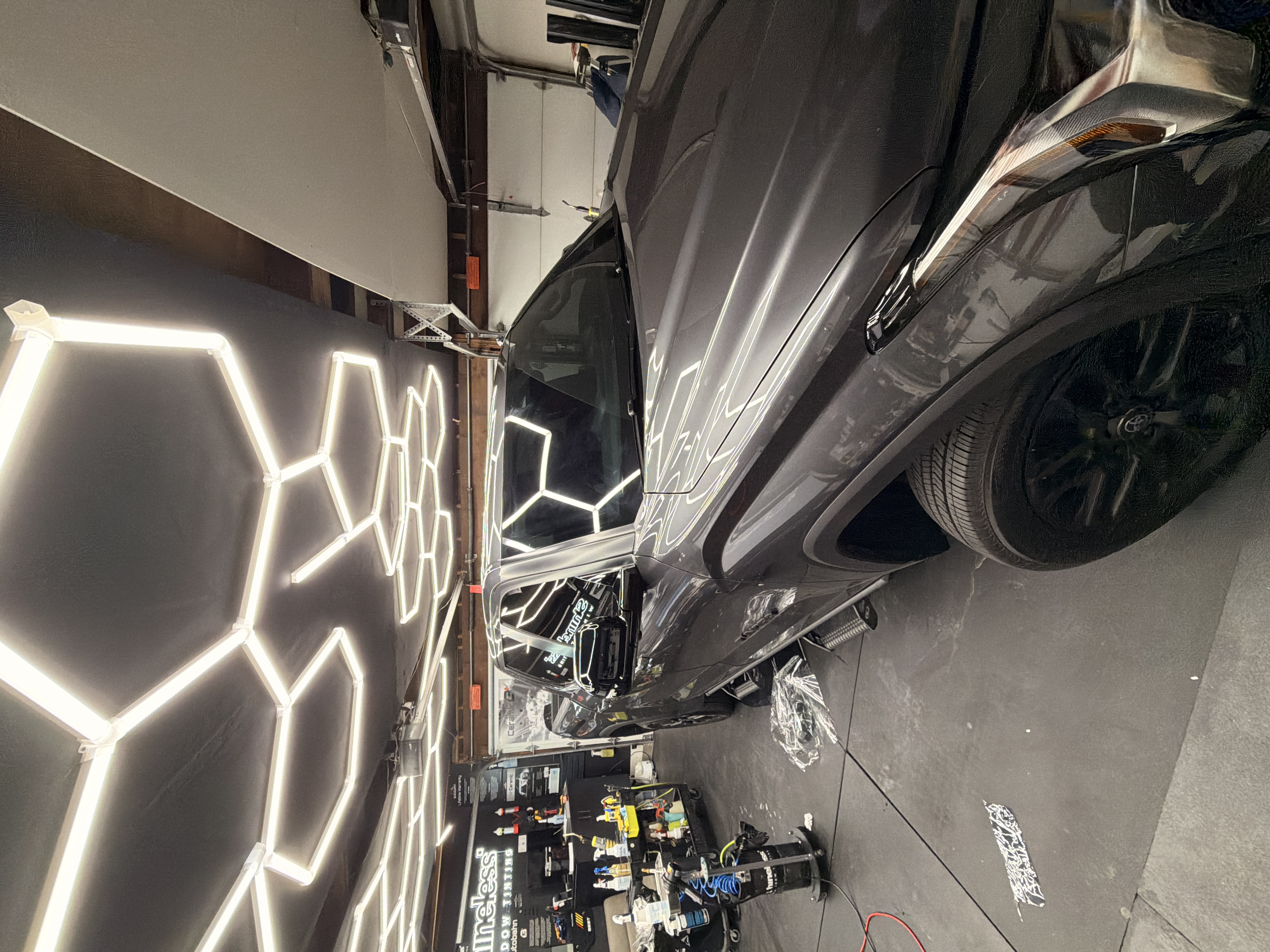
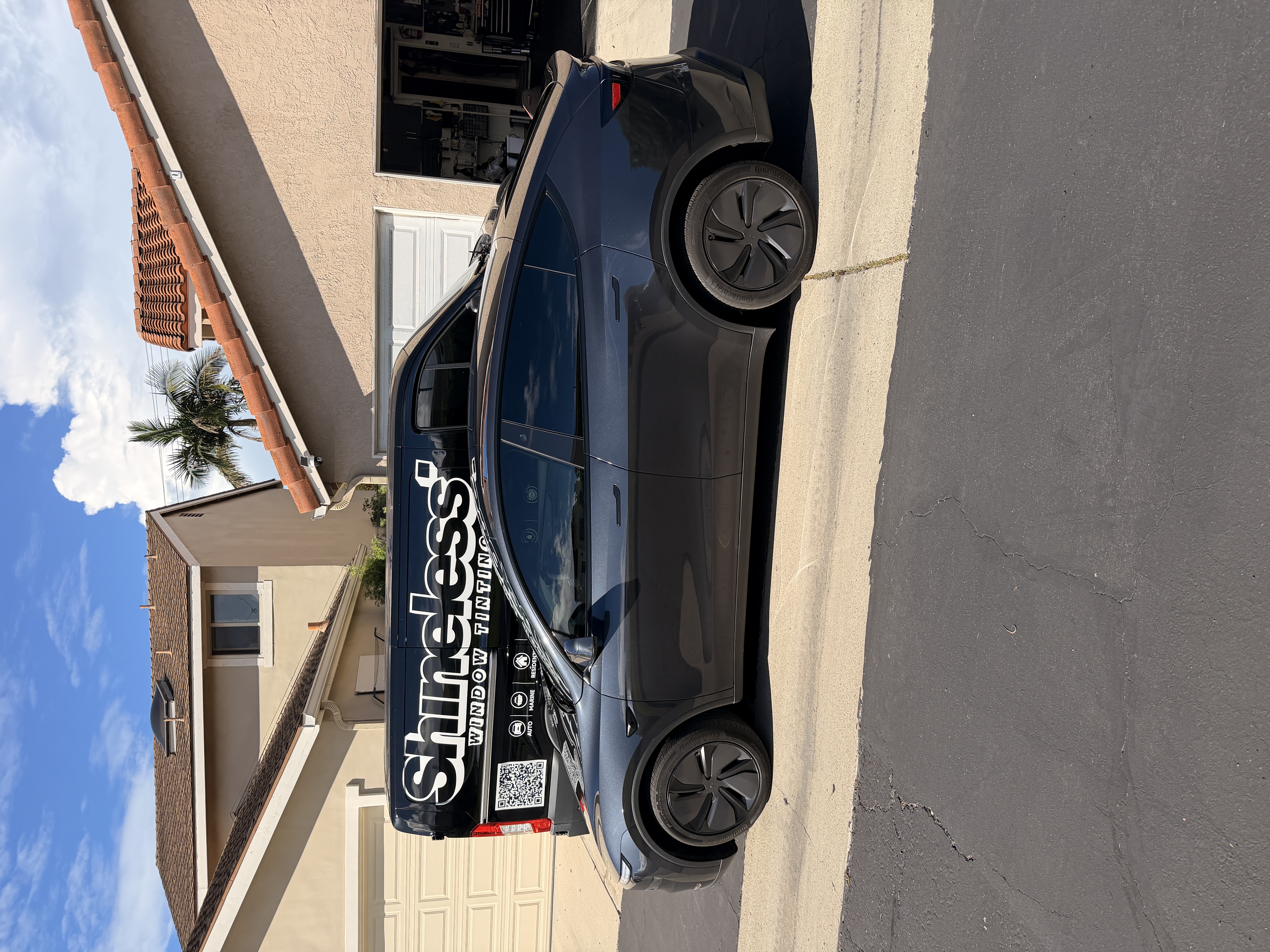
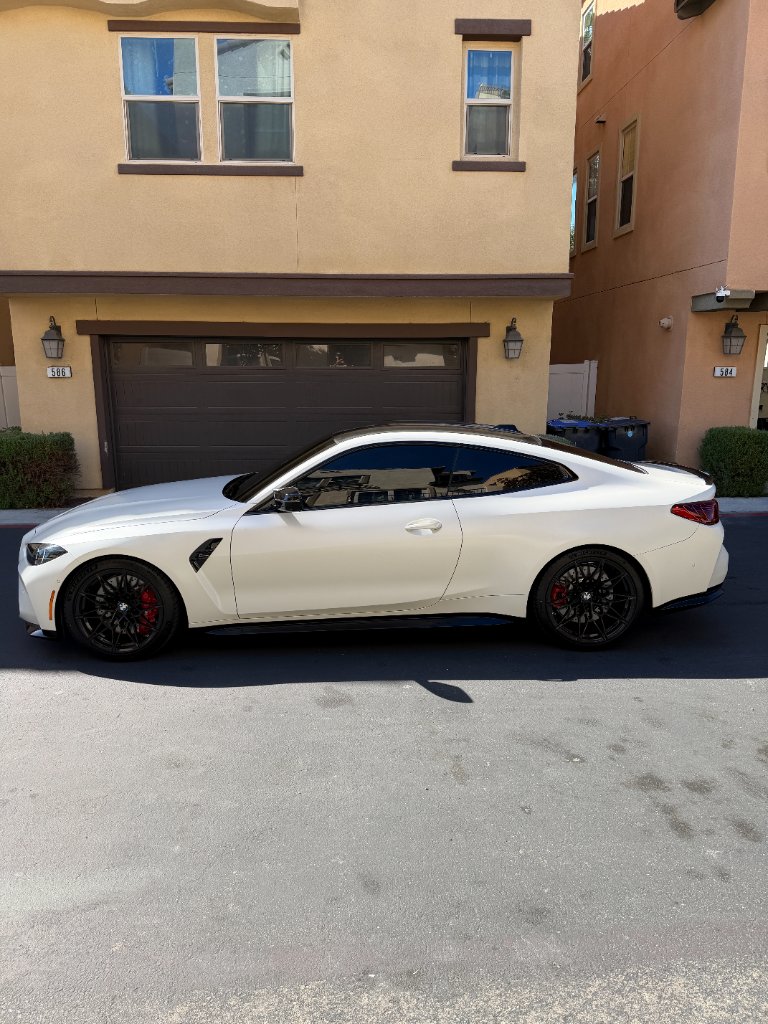
If you drive through Huntington Beach or park near the coast, you have likely seen vehicles with purple, bubbling window tint that obscures the view and ruins the car's appearance. This degradation is not an unavoidable consequence of tinted glass, but rather a result of the materials used and the conditions of the installation. Whether you are driving a daily commuter or a high-end electric vehicle, understanding why film fails is the first step toward making a lasting investment in your vehicle. At Shineless Window Tinting, we focus on the science of film performance. We have observed how the coastal sun and the environmental challenges of Orange County—ranging from salt air to the intense heat of inland cities like Irvine—test the integrity of window film. By understanding the chemical differences between films and the mechanics of professional application, you can avoid the common pitfalls that lead to premature replacement. ## The Mechanics of Failure: Why Cheap Tint Fails Most window film failures are rooted in the structural limitations of the film itself. Entry-level dyed films consist of polyester layers infused with organic pigments. These dye molecules serve as sacrificial ultraviolet absorbers intended to catch incoming radiation. However, they are not chemically stable. Under constant solar radiation, these organic bonds break down. As the dye molecules degrade, they shift in color, turning from black to a translucent purple or brown. Once the dye fails, the film loses its heat-rejection capabilities, leaving you with a layer of plastic that provides little protection. Adhesive failure is a separate issue. Low-grade pressure-sensitive adhesives often lose their bond when exposed to extreme heat cycles. As the adhesive degrades, it loses its grip on the glass, resulting in lifting, peeling, or the formation of air pockets. This process is accelerated by the use of ammonia-based cleaners, which chemically attack the adhesive layer and contribute to the embrittlement of the protective topcoat. ## Curing vs. Failure: Understanding Moisture Pockets One of the most common points of confusion for new owners is the presence of small bubbles immediately following an installation. During the professional automotive window tint process, a mounting solution is used to position the film. Because the film is porous at a microscopic level, a small amount of moisture remains between the glass and the film. In our coastal climate, marine layer humidity can slow the evaporation process. It is normal to see small water pockets, a milky haze, or minor texture for 7 to 14 days after the install. These are not defects; they are part of the curing process as moisture evaporates. True installation failure involves trapped dust or grit that creates permanent, dry air pockets. Because we provide mobile service, we take care to mitigate airborne dust in driveways and parking lots to ensure your installation remains clean. ## The Engineering of Nano-Ceramic Film To address fading, the industry moved to inorganic particles. Our premium, metal-free nano-ceramic films utilize materials like titanium nitride or advanced metal-free oxide compounds. Unlike organic dyes, these inorganic particles do not rely on a chemical reaction to block energy. They are engineered to reject infrared radiation by reflecting it away from the cabin. Because these particles are inorganic, they are chemically stable. They do not break down, change color, or lose their efficacy over time, even under prolonged exposure to the Orange County sun. Furthermore, because these films are metal-free, they do not interfere with cellular reception, GPS, or the complex sensor arrays found in modern vehicles like the Tesla window tint applications we perform. This allows drivers to enjoy significant heat rejection without compromising vehicle technology. ## Comparison of Film Technologies When evaluating quotes, understanding the hierarchy of film performance is essential: - Dyed Film: An affordable option for privacy, though it offers minimal heat rejection and will eventually turn purple as the dye breaks down. - Carbon Film: A performance step up from dye. It uses carbon particles for better heat rejection and color stability, though it lacks the extreme infrared rejection of ceramic. - Nano-Ceramic Film: The high-performance choice. It provides the highest level of infrared rejection and is completely color-stable, making it ideal for residents who prioritize long-term performance and cabin comfort. ## Installation Challenges: Frit and Curves Modern vehicles present challenges that require more than a standard squeegee application. The dot-matrix borders found on the rear glass and windshields of many SUVs and sedans, and the expansive panoramic roofs on EVs, are difficult to bond. If the installer does not use proper heat-shrinking techniques and precise edge-sealing, the film will lift at these borders. We account for these curves by preparing the glass surface and ensuring that the film is heat-shrunk to fit the curvature exactly. On expansive rear glass, improper pressure can lead to trapped air that does not dissipate. Our process ensures that the edges are fully bonded, which is necessary for maintaining the integrity of the film over the life of the vehicle. ## What a Lifetime Warranty Actually Covers A legitimate manufacturer-backed lifetime warranty is a commitment to the quality of the product. It typically covers film failure, including: - Bubbling or peeling due to adhesive failure. - Delamination or cracking. - Color change or fading. However, warranties do not cover damage inflicted by the user. This includes: - Physical punctures from seatbelt buckles or pet claws. - Scratches from objects left in the car. - Razor blade cuts or damage from abrasive scrubbing. - Chemical damage from improper cleaning, specifically using ammonia. Using a cleaner containing ammonia on your windows may dissolve the adhesive. Always use a dedicated tint-safe cleaner and a soft microfiber cloth to maintain your windows. ## Specifications for Performance Comparison When comparing shop quotes, use these industry standards as your benchmark: - Curing time: 7 to 14 days, dependent on local humidity. - UV Rejection: Should be up to 99% or higher. - IR Rejection: Premium ceramic should offer high-tier performance, often 90% or more depending on the specific product line. - TSER (Total Solar Energy Rejected): Up to 70% for top-tier ceramic. - Ammonia resistance: Premium films have a hard-coated protective layer, but are still susceptible to chemical damage from ammonia-based cleaners. Our commitment to the Huntington Beach area and the greater OC region means we stand by every install we do. We bring the shop to your driveway, providing a high-standard environment for your vehicle. Want to see if we can help with your next project? Call or text us at (714) 360-9969. Want a free quote? Tap here: https://shinelesswindowtinting.com/#contact-form. You can also view all services to see how we help with other automotive needs. Ready to lock in a slot? Book your service here: https://shineless.bookings.getclickrez.com/book/vehicle

Common Questions
Why does my window tint look purple and bubbly?
Window tint turns purple and bubbles when low-quality organic dyes break down due to solar radiation and the adhesive bond fails. This is common in entry-level dyed films rather than high-end ceramic alternatives.
Is it normal to see bubbles after getting my windows tinted?
Yes, it is normal to see small water pockets, a milky haze, or minor texture for 7 to 14 days following an installation. This is part of the curing process as moisture evaporates from the film.
Does ceramic window tint interfere with GPS or cell service?
No, premium nano-ceramic films are metal-free and do not interfere with cellular reception, GPS, or vehicle sensor arrays. They are safe for modern vehicles, including those with advanced technology.
How should I clean my tinted windows to prevent damage?
You should avoid ammonia-based cleaners, as they can dissolve the adhesive and damage the film. Always use a dedicated tint-safe cleaner and a soft microfiber cloth to maintain your windows.
Ready to Protect Your Home?
Free in-home consultations across Huntington Beach, Newport Beach, Seal Beach & Laguna Beach.
(714) 360-9969 — Free EstimateStop UV Damage Before It Starts
Shineless installs premium ceramic window film at your home — no shop visit needed. Serving Huntington Beach, Newport Beach, Seal Beach, Laguna Beach, and all of Orange County.