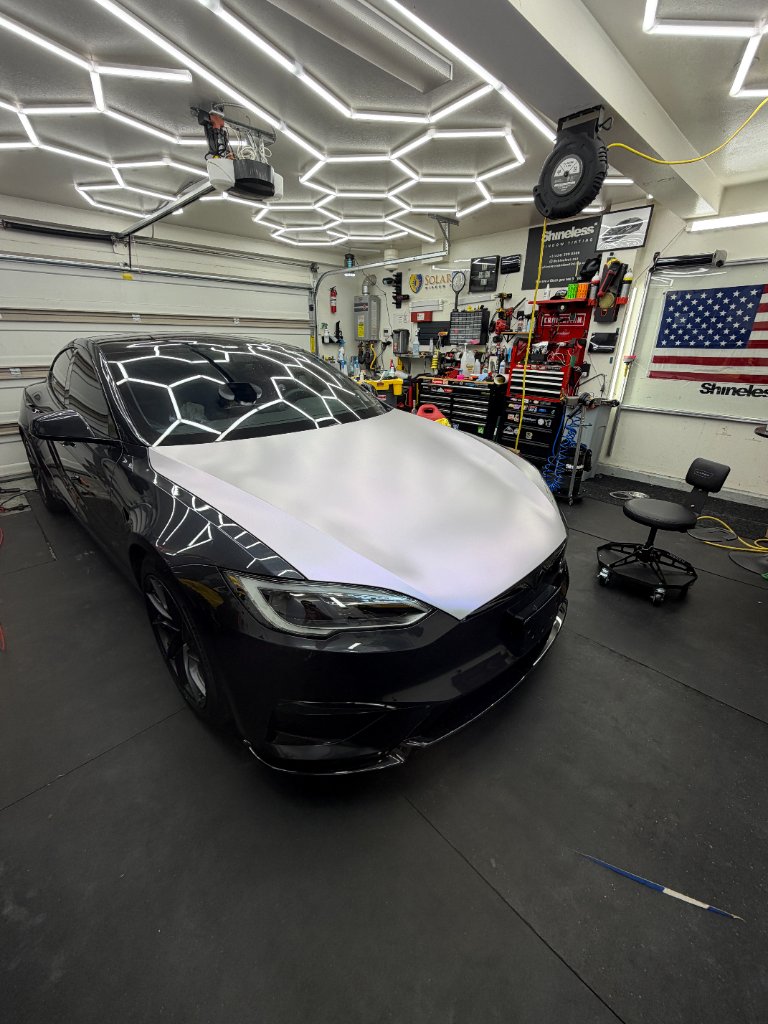
Window Tint Warranty vs. Wear and Tear: How to Tell the Difference
Your vehicle represents a significant investment, and the window tint applied to it should be a long-term solution for heat, UV protection, and comfort. However, environmental factors in coastal Orange County, from the salt-heavy marine layer to the intense sun on the Pacific Coast Highway, can influence the longevity of your film. Understanding the difference between a temporary curing process, a legitimate manufacturing defect, and simple wear and tear is essential for any car owner. Below is a diagnostic field guide to help you identify the state of your window film and determine the appropriate next steps for your vehicle. ## The Curing Phase: Moisture vs. Failure If you have recently had your windows tinted, you may notice small pockets of water or a hazy, cloudy appearance. This is entirely normal. During installation, we use a mounting solution to position the film precisely. As the water evaporates through the film, it can cause temporary optical distortions. Moisture pockets typically resolve within 3 to 30 days depending on ambient sun and temperature. In the humid conditions of Huntington Beach or Newport Beach, this process can take longer than in drier, inland areas. If the haze does not clear after a month, or if the pockets grow in size rather than shrinking, it may indicate adhesive contamination or failure. True adhesive failure bubbles typically appear months or years after installation, not immediately after the job is finished. ## Diagnostic Matrix: Identifying Tint Issues Distinguishing the source of a problem is the first step toward a solution. Not all defects are created equal. - Bubbling: If you see large, air-filled bubbles months or years after installation, this is usually adhesive delamination, which is a film failure. Small, pinpoint bubbles appearing immediately after installation are often trapped dust or microscopic moisture. - Peeling at Edges: This is often caused by the window glass being rolled down before the adhesive has fully cured, or by excessive friction against the door seals. In frameless windows, such as those on many Tesla models, high-stress use can lead to premature edge lifting if the film was not tucked sufficiently deep. - Purple or Brown Shift: This is a classic sign of dye oxidation or adhesive hydrolysis, common in lower-end dyed films. As the yellow dyes fade, the remaining pigments create a purple hue. High-quality nano-ceramic films do not contain dyes and therefore do not turn purple. - Scratches and Gouges: These are caused by physical impact. Whether from seatbelts clicking against the glass, rings, keys, or pet claws, these impacts penetrate the protective hardcoat and cannot be polished out. - Hazy or Cloudy Patches: This can be caused by the use of ammonia-based glass cleaners, which break down the adhesive, or by trapped contamination during the installation process. ## Understanding Thermal Stress in Southern California Orange County vehicles face unique challenges. Cabin glass parked in the sun can reach high temperatures, and this thermal cycling causes the glass and the film to expand and contract at different rates. Over time, this differential expansion can stress the edges of the tint. While premium films like those from Hüper Optik and XPEL are engineered to withstand these temperatures, improper edge sealing or poor-quality film can lead to cracking or edge failure faster in our local climate. ## What a Lifetime Warranty Actually Covers A legitimate lifetime manufacturer warranty is designed to protect you against defects that occur through no fault of your own. This typically covers: - Adhesive delamination. - Bubbling that occurs without signs of external impact. - Cracking or crazing of the film. - Excessive color change or fading. What these warranties explicitly exclude is just as important. They do not cover mechanical abrasions, pet scratches, damage from improper cleaning using ammonia products, or accidents like broken glass. If you roll down your window while the tint is still wet and damage the edge, this is considered an installation-related issue or an owner error, not a manufacturer defect. ## Documentation and Preparation for Claims If you believe your tint is failing under a valid warranty, you need to provide evidence to ensure a smooth claim process. Before contacting us or any professional shop, gather the following: - The original receipt or warranty card detailing the film type and installation date. - High-resolution photographs. Capture the defect from a few angles: a wide shot of the window to identify the location, and a macro shot showing the nature of the bubble, peel, or color change. - A note on your maintenance history. Confirm that you have used ammonia-free cleaning products. Knowing whether you need a single panel redo or a full vehicle strip depends on the extent of the failure. If a single window is peeling due to an edge issue, we can often replace that specific panel. If the entire vehicle is showing signs of adhesive breakdown, a full removal and re-application is necessary to ensure uniform performance. ## Ceramic vs. Other Film Types It is vital to understand what you have on your glass. Many competitors still push entry-level dyed or carbon films, which rely on pigment for shade. These are prone to the degradation mentioned earlier. We specialize in premium dye-free, metal-free nano-ceramic film. These offer superior heat rejection and maintain their optical clarity because they do not rely on unstable dyes. If you are experiencing constant failure, you may be dealing with an inferior product that is reaching the end of its natural lifespan. ## Transparent Limitations and Risks We are committed to honesty regarding the risks involved in tint work. Removing old, failing film, especially on the rear window, carries a risk of damaging the factory defroster lines. While we take every precaution, the adhesives on older or degraded films can be aggressive. We will always assess the condition of your glass before proceeding. Furthermore, no film is immune to physical damage; if a seatbelt gouges the film, that is a permanent mark that only a replacement can fix. Our mobile service across Huntington Beach, Irvine, and surrounding areas allows us to assess these situations in person, ensuring you get a professional opinion right in your driveway. ## Keeping Your Tint in Peak Condition To maximize the life of your tint, follow these simple rules: wait at least 3 to 7 days before rolling down your windows after a fresh install, and only use ammonia-free glass cleaners and microfiber cloths. If you frequent car washes along Beach Blvd, ensure they are not using harsh chemicals on the interior. Regular care will help ensure that your investment lasts as long as the vehicle itself. For more information on our automotive window tint or if you are considering an upgrade for your Tesla window tint, we are here to help. Want a free quote? Tap here: https://shinelesswindowtinting.com/#contact-form. For scheduling, use our booking link: https://shineless.bookings.getclickrez.com/book/vehicle, or call/text (714) 360-9969.
Common Questions
Why does my new window tint look cloudy or bubbly?
Small pockets of water or a hazy appearance are normal during the curing process immediately after installation. This is caused by the mounting solution used to position the film and typically resolves within 3 to 30 days as the water evaporates.
What is the difference between film failure and wear and tear?
Film failure, such as adhesive delamination or bubbling, is usually covered under a lifetime manufacturer warranty if it occurs without signs of external impact. Wear and tear, such as pet scratches, mechanical abrasions, or damage from ammonia-based cleaners, is considered owner error and is not covered.
Do I need to worry about my rear defroster when removing old tint?
Yes, removing old or degraded film, particularly on the rear window, carries a risk of damaging the factory defroster lines. We always assess the condition of the glass and the film adhesive before proceeding with any removal to mitigate this risk.
How long should I wait before rolling down my windows after tinting?
We recommend waiting at least 3 to 7 days before rolling down your windows following a fresh tint installation. Rolling the windows down too early can interfere with the curing process and lead to peeling at the edges.
Ready to Protect Your Home?
Free in-home consultations across Huntington Beach, Newport Beach, Seal Beach & Laguna Beach.
(714) 360-9969 — Free EstimateStop UV Damage Before It Starts
Shineless installs premium ceramic window film at your home — no shop visit needed. Serving Huntington Beach, Newport Beach, Seal Beach, Laguna Beach, and all of Orange County.